


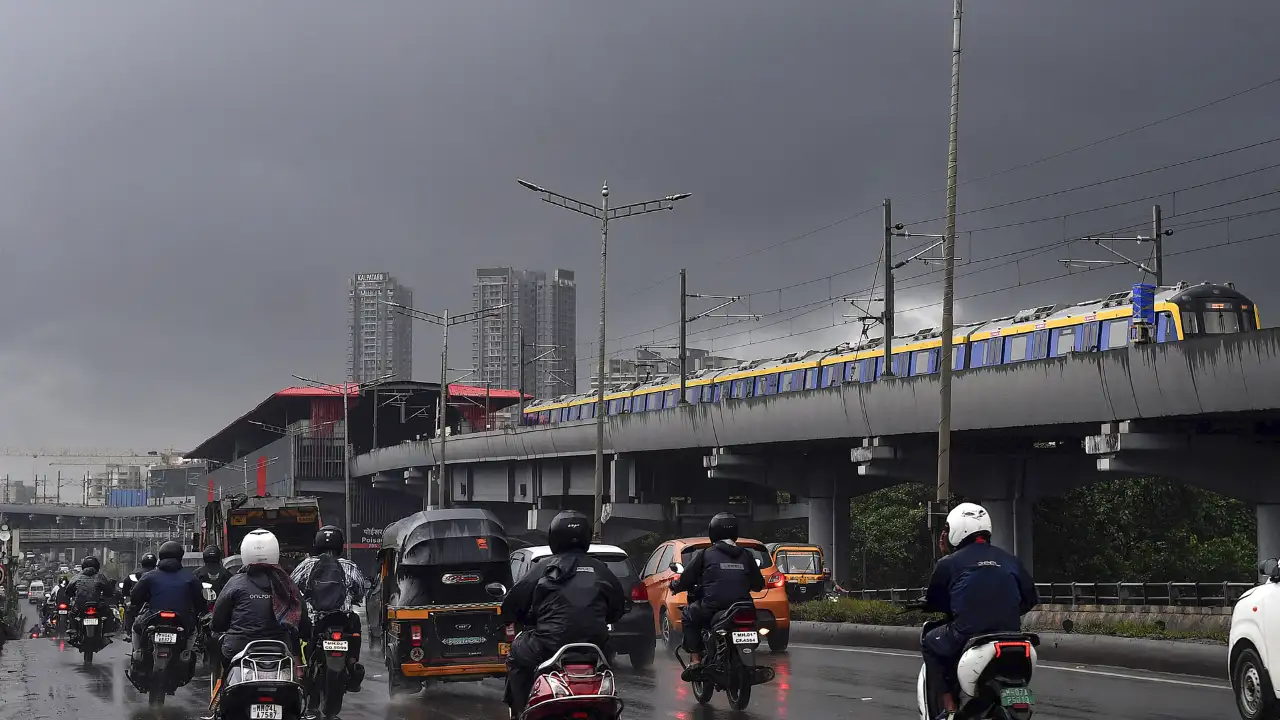
Mumbai began the week under a yellow alert from the India Meteorological Department (IMD), with forecasts pointing to sustained rainfall and strong winds throughout the coming days. As monsoon systems strengthen across Maharashtra’s western coastline, the city has been advised to prepare for continued moderate showers with sporadic heavy spells.
On Monday, the financial capital witnessed early morning drizzles accompanied by overcast skies, with maximum temperatures hovering around 29°C. Wind speeds were recorded at up to 31 km/h. The IMD stated that rainfall activity is likely to intensify mid-week, with conditions expected to be particularly challenging in low-lying areas vulnerable to waterlogging. Officials from the regional IMD centre noted that the yellow alert, issued on July 7, covers not just Mumbai but also adjoining coastal districts. The alert signifies the potential for isolated heavy downpours, sudden gusts ranging from 45 to 60 km/h, and the risk of urban flooding due to stormwater accumulation.
While this seasonal pattern is typical during peak monsoon months, the increasing unpredictability of rainfall intensity in recent years has amplified the urgency of city-wide preparedness. Civic bodies have activated flood control protocols in sensitive zones such as Sion, Andheri Subway, Hindmata, and Kurla, where waterlogging frequently disrupts traffic flow. An official from the Brihanmumbai Municipal Corporation (BMC) confirmed that de-silting of major drains and nullahs had been completed ahead of the season. However, they acknowledged that high tide conditions combined with intense rainfall could still overwhelm pumping stations.
Urban planners and climate experts have warned that short, high-intensity rainfall events — a growing pattern due to climate change — may exceed the drainage infrastructure’s capacity. They recommend decentralised water management, natural retention basins, and stricter construction regulation in flood-prone areas to reduce runoff. Transport authorities have urged commuters to monitor updates via the Mumbai Traffic Police and local train networks. As a precaution, school authorities have been advised to review attendance policies during peak alerts, especially for students in areas prone to flooding.
For now, Mumbai’s lifelines — its road and rail networks — remain operational, but weather experts continue to monitor satellite imagery and Doppler radar data closely for signs of escalation. Should rainfall rates cross the IMD’s heavy rain threshold, an orange or red alert could follow in the days ahead. While the yellow alert does not necessitate drastic disruption, residents have been urged to exercise caution, particularly during evening commutes when visibility may be reduced and waterlogged streets may pose risk to pedestrians and motorists alike.
Also Read : Pune Gets Metro Boost as Titagarh Bags ₹430 Crore Order for 12 More Train Sets
