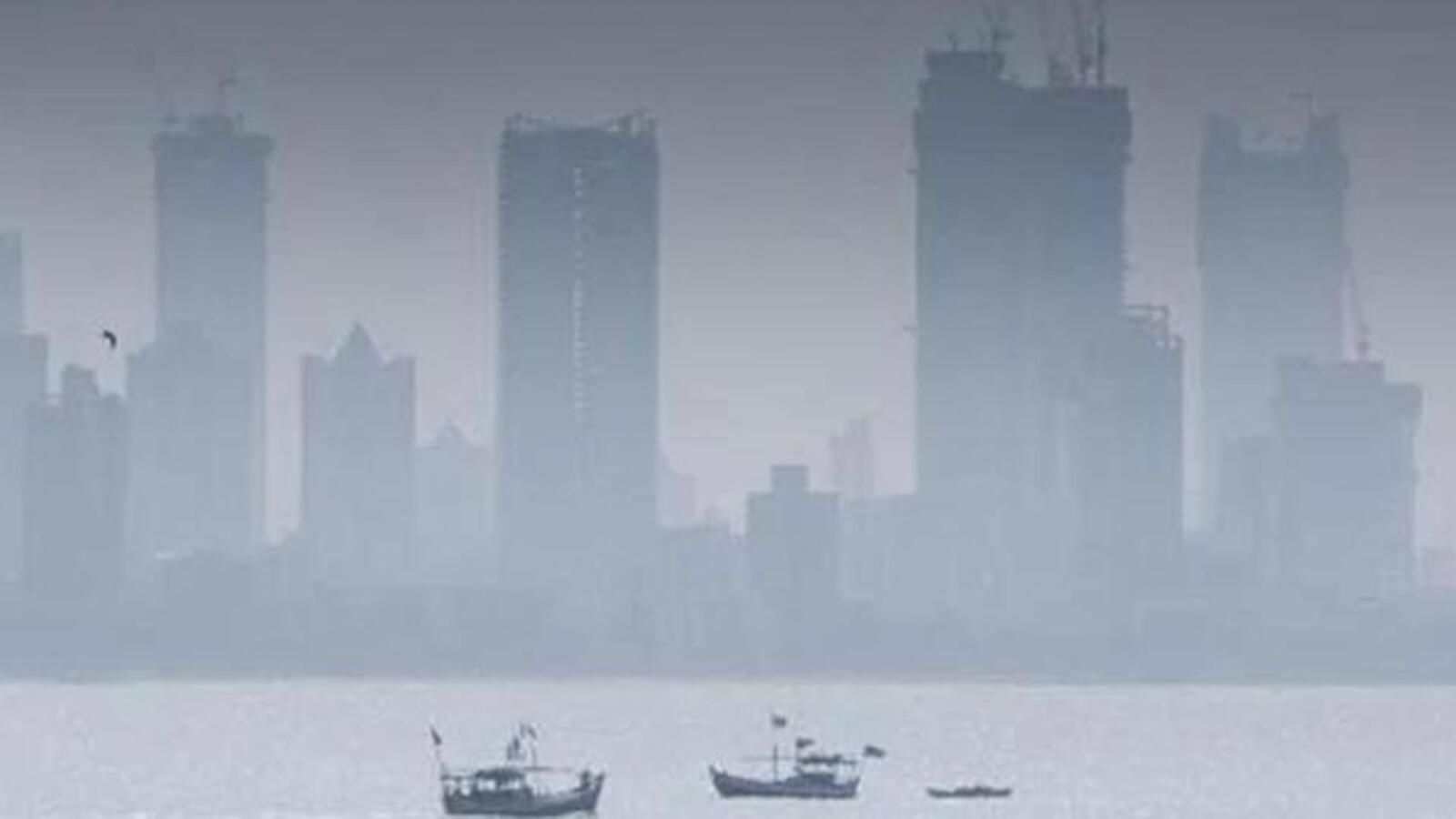
Mumbai woke up on Tuesday to mild winter temperatures and clear skies, but the visual calm quickly gave way to a familiar urban crisis. By early morning, a dense blanket of smog settled across large parts of the city, pushing air quality into the severe category and underscoring the growing disconnect between favourable weather conditions and deteriorating environmental health in India’s financial capital.
While meteorological conditions remained stable, with daytime temperatures forecast between 18°C and 30°C, the city’s Air Quality Index (AQI) told a different story. Monitoring data showed Mumbai’s overall AQI crossing the 300 mark during morning hours, a level considered hazardous for prolonged exposure. For residents, especially children, senior citizens and those with respiratory conditions, the day began with health advisories rather than seasonal comfort. Urban planners and environmental analysts point to a combination of structural factors driving this recurring winter pollution spike. Construction dust remains a dominant contributor, fuelled by the scale of infrastructure expansion underway across the Mumbai Metropolitan Region. Metro rail corridors, flyovers, arterial road upgrades and coastal connectivity projects have transformed mobility prospects but have also intensified particulate emissions in the absence of stringent on-site dust control enforcement.
Real estate activity has added another layer of pressure. High-density redevelopment across central and suburban neighbourhoods has multiplied excavation sites, material transport and debris movement. Combined with vehicular congestion during peak hours, these sources have overwhelmed the city’s limited dispersion capacity, particularly during low-wind winter mornings. Pollution levels varied sharply across neighbourhoods, revealing the uneven environmental burden within the city. Eastern and central pockets such as Chembur, Wadala and Bandra emerged among the worst affected, with AQI readings approaching hazardous thresholds. Western suburbs including Jogeshwari and Santacruz also reported severe air conditions, while peripheral areas like Borivali and Kandivali registered slightly lower but still unhealthy levels. The data highlights how pollution hotspots increasingly mirror zones of intense construction and freight movement.
Public health experts caution that repeated exposure to such conditions has long-term implications beyond immediate discomfort. Reduced lung capacity, cardiovascular stress and productivity losses are emerging as silent economic costs for dense cities like Mumbai. For a workforce dependent on outdoor commuting and informal employment, air quality has become a critical urban equity issue. Civic officials acknowledge that mitigation measures need to evolve alongside infrastructure growth. Cleaner construction practices, stricter penalties for dust violations, faster electrification of public transport and real-time air quality-based work scheduling are among the solutions being discussed by urban policy specialists.
As Mumbai continues to expand vertically and horizontally, Tuesday’s smog episode serves as a reminder that climate resilience and clean air management must advance at the same pace as physical infrastructure, or the city risks trading mobility gains for public health setbacks.
Mumbai Faces Severe Air Pollution Amid Winter Calm