


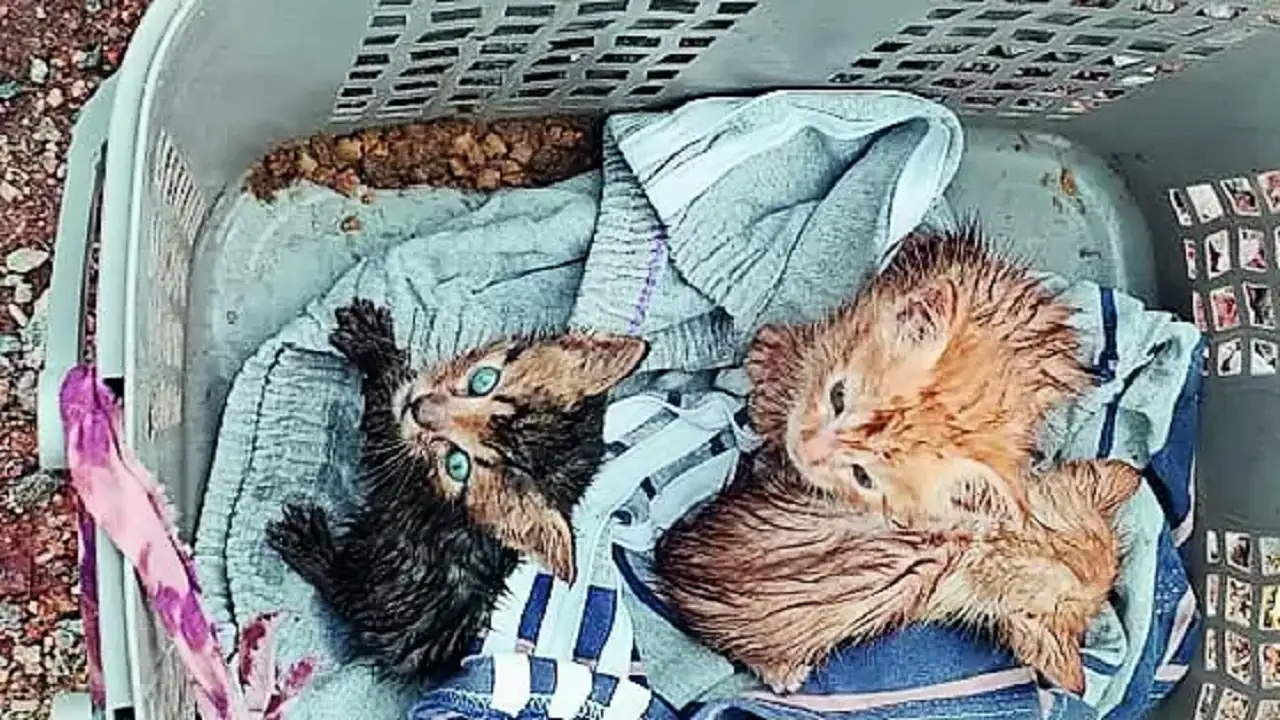
As Mumbai braces for another monsoon season, animal welfare organisations across the city are reporting a sharp surge in pet abandonment cases.
The onset of rains, while welcomed for cooling temperatures, brings a hidden crisis—one that leaves rescued animals stranded, shelters overwhelmed, and rescuers emotionally and financially stretched. Welfare groups say that each monsoon intensifies the distress, exposing the glaring gaps in responsible pet ownership and regulatory enforcement in India’s urban centres. According to experts, the rise in abandonment is directly tied to a combination of seasonal health issues, financial pressures, and the long-standing problem of impulsive pet adoption. Damp conditions commonly result in a spike in ailments such as tick fever, skin allergies, gastrointestinal infections, and respiratory complications—particularly affecting foreign or pure-bred dogs, which are less suited to the Indian climate. Veterinary bills mount quickly, and in many cases, pet parents opt for the cruelest alternative: leaving the animal behind.
Animal rights volunteers highlight that the post-COVID-19 era has only worsened the trend. During the lockdown, a spike in pet adoptions, often driven by temporary loneliness or social media trends, led to homes taking in dogs without adequate understanding of long-term responsibilities. Now, five years on, the consequences are visible in overcrowded shelters filled with dogs suffering from physical and emotional trauma. Shelter officials reveal that owners commonly cite reasons such as housing issues, shifting cities, incompatibility with pets’ behaviour, or financial burdens. In reality, these are often excuses masking a deeper lack of commitment. Many underestimate the demands of raising a dog—especially large or high-energy breeds such as German Shepherds or Huskies. Once the novelty wears off or behavioural challenges arise, the animal is abandoned with no support system.
What makes matters worse is the rampant rise in illegal and unregulated breeders. According to animal welfare experts, such breeders focus on rapid profits and ignore ethical practices like genetic screening. As a result, dogs are born with inherited conditions including heart disorders, diabetes, or joint failures. When such issues emerge, owners find themselves ill-equipped to provide specialised care. Adding to the crisis is the growing tendency to splurge on superficial luxuries while ignoring basic medical needs. Experts report that many owners spend thousands on accessories or branded pet food, but balk at spending ₹700–₹1,000 on core vaccinations such as the DHPPiL 9-in-1 vaccine—leaving animals vulnerable to infections. Unvaccinated pets not only fall ill more easily but also become difficult to rehome, thus spending the rest of their lives in rescue shelters.
The psychological toll on abandoned pets is just as severe. Rescuers narrate accounts of animals waiting at the same spot for days, expecting their families to return. Others suffer from anxiety, aggression, or withdrawal. In some tragic cases, confused and traumatised animals have attacked passersby or injured themselves. A widely reported case involved a pitbull abandoned on a public beach who later turned aggressive due to stress—a direct result of emotional abandonment and neglect. Shelter operators and trainers agree that the crisis can only be addressed through education and enforcement. Potential adopters must be made aware that bringing home a pet is a 12-to-15-year responsibility. It requires alignment with one’s lifestyle, work schedule, and capacity to provide for veterinary care and behavioural training. Animal behaviourists advocate counselling sessions before adoption, but such practices are rarely followed outside a few urban centres.
While there are legal safeguards in place—Section 325 of the Bharatiya Nyaya Sanhita (BNS) treats abandonment as cruelty—their enforcement is weak. Experts point out that the clause is usually invoked only when an animal poses a threat to human safety or sustains serious injuries. This leaves a gaping hole in the system: pets abandoned on streets may not immediately be in distress, but are still victims of neglect and psychological trauma. The absence of swift penalties emboldens repeat offenders and deters few. Animal welfare volunteers argue that systemic change is essential. India lacks a central pet adoption registry, making it difficult to track abandoned animals or hold individuals accountable. Regulatory reforms must address illegal breeders, make vaccinations and neutering mandatory, and mandate counselling before adoption. Such measures, however, require policy will and public cooperation.
Until such reforms are implemented, it is rescue organisations that continue to bear the brunt. They shoulder medical expenses, manage behavioural rehabilitation, and invest months—sometimes years—finding new homes. The emotional toll on rescuers is considerable. Many rely on crowd-funded campaigns to support animals suffering from cancer, trauma, or chronic conditions—many of which could have been prevented with timely care. Mumbai’s monsoon, already synonymous with civic infrastructure stress, now carries another burden: abandoned pets left to navigate a world they don’t understand. In the absence of meaningful regulation and public awareness, shelters continue to stretch their resources and compassion to the limit. The only lasting solution, experts say, lies in responsible pet ownership, where companionship is rooted not in impulse, but in empathy and preparation.
Also Read : BMC Considers Extending Deonar Landfill Tender Deadline
