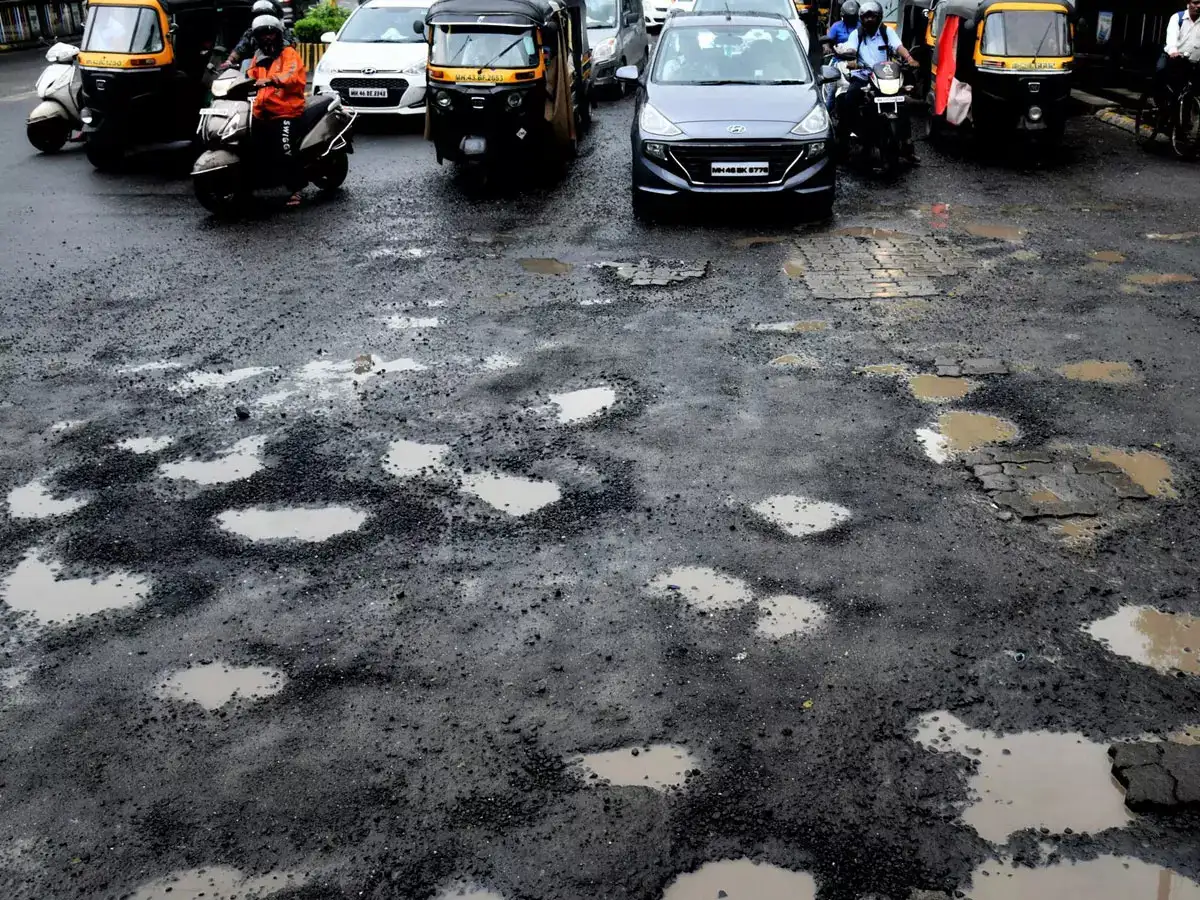
As Mumbai heads into the Brihanmumbai Municipal Corporation (BMC) elections, the city’s everyday infrastructure failures — from crumbling roads and chronic congestion to erratic water delivery — have resurfaced as defining issues for voters across wards. Deeply felt by commuters, families and city planners alike, these civic deficits highlight broader challenges in governance, climate resilience and equitable urban growth in India’s financial capital.
Despite the BMC’s annual budget exceeding ₹75,000 crore, numerous thoroughfares remain scarred by potholes and uneven surfaces, intensifying traffic snarls and degrading commuter safety. Residents and civic watchdogs note that previous repair drives have been undermined by poor material performance and recurrent rainfall, leaving recently fixed sections deteriorated. The persistent road conditions illustrate systemic stress in urban upkeep and raise questions on maintenance priorities in a metropolis grappling with rapid population growth and climate impacts. Traffic congestion, long perceived as a chronic besetting issue, continues to worsen in many corridors where ongoing works on service roads, link streets and utility trenches slow vehicle flows. Urban planners warn that without coherent sequencing of infrastructure projects — such as Metro expansions, DP roads and public transport hubs — the city’s economic productivity and air quality will bear long-term costs. Citizens also underscore gaps in pedestrian infrastructure, noting that footpaths are often damaged, encroached or absent, posing heightened risks for older adults and vulnerable walkers while undermining efforts to promote low‑carbon mobility.
Water security has emerged as another flashpoint. With the city reporting a daily shortfall in drinking water supply and continuing dependence on distant sources, residents express frustration at intermittent supplies and low pressure, particularly in marginalised neighbourhoods. Planners observe that the absence of new dam infrastructure since Middle Vaitarna juxtaposed with rising demand from high‑intensity developments reflects structural mismatches in resource planning. The situation spotlights an urgent need for adaptive water management strategies — from network optimisation to aquifer recharge — to enhance climate resilience and equitable service delivery. Environmental advocates also contend that sewage networks and drainage systems are incomplete in segments of the metropolis, contributing to pollution and flooding hazards during seasonal rains. Combined with waste management strains and air quality pressures, these deficits frame a broader sustainability imperative that election discourse has yet to fully embrace.
Local campaigning has, until recently, focused on short‑term concessions, tax rebates and political rhetoric rather than substantive solutions. However, citizen groups, advocacy assemblies and town halls in districts like Vakola, Kalina and D‑ward are pushing candidates to commit to time‑bound infrastructure improvements and greater transparency in project delivery.As results day nears, Mumbai’s electorate appears poised to judge candidates not by slogans but by pragmatic plans to strengthen roads, water systems, transit networks and climate‑adapted civic services that underpin daily life.