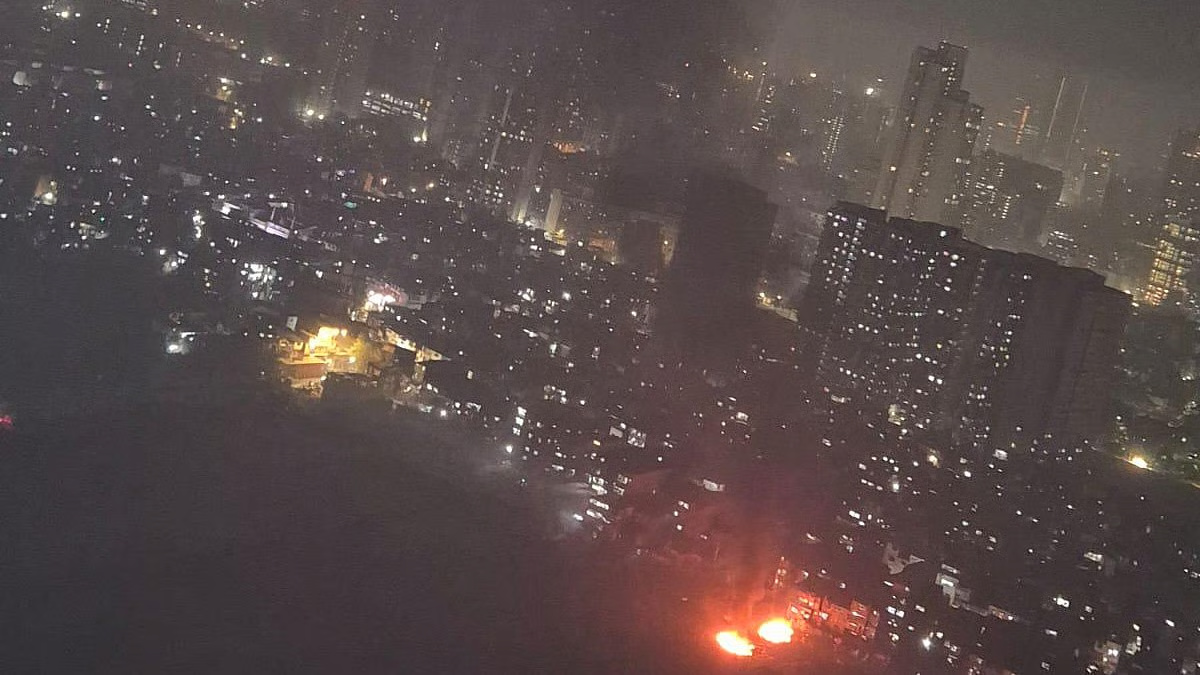
Mumbai’s worsening air quality has once again drawn attention to the city’s fragile environmental balance, after residents from Wadala East raised concerns about routine waste burning near the local salt pan lands. A series of online posts by citizens highlighted persistent smoke, dust and foul odour in the area, alleging that repeated complaints to civic authorities have not led to any visible corrective action. The issue has rekindled debate about how unchecked burning of mixed waste continues to undermine health, safety and climate resilience across the city.
Residents who flagged the incident described daily plumes of smoke rising from informal dumping spots situated close to the salt pans, a landscape that serves as a natural ecological buffer for Mumbai. Several citizens alleged that the site has been used for the disposal of construction debris and household refuse for years, with small fires frequently observed even during the day. An affected resident wrote that the prolonged exposure to toxic fumes is taking a toll on vulnerable groups, particularly older adults and children. Urban planners note that salt pan lands play a critical role in mitigating floods and maintaining coastal biodiversity, functioning as natural sponge zones during extreme rainfall. Their degradation not only contributes to localised air pollution but also weakens the city’s long-term climate defences. A senior environmental expert said that repeated burning in ecologically sensitive zones reflects “a deeper governance gap” in waste management enforcement, especially in neighbourhoods experiencing rapid real estate pressure.
Online responses to the viral post echoed similar concerns. Individuals working in nearby business districts said they routinely encounter heavy dust and poor visibility, describing the area as one of the most polluted pockets in the eastern suburbs. Some comments suggested that the deterioration of salt pans and nearby mangroves could be linked to development interests, pointing out that unauthorised settlements and debris dumping have long threatened these vulnerable landscapes. Air quality data reinforces the gravity of the situation. According to publicly available monitoring platforms, the Wadala Truck Terminal area recorded an Air Quality Index of 119 in the afternoon, placing it in the ‘poor’ category. Experts warn that even moderate AQI readings can carry health risks when pollutants consistently accumulate at the local level, especially in dense urban corridors with limited clean-air buffers.
While the city’s overall AQI has hovered in the ‘moderate’ range, the gap between regional averages and local hotspots highlights the need for decentralised monitoring and targeted action. Environmental specialists argue that addressing waste burning requires a combination of stronger enforcement, community-led surveillance and improved waste collection systems, particularly in areas adjacent to ecological assets such as salt pans and mangroves. For Wadala residents, the demand remains straightforward: a call for immediate intervention to safeguard neighbourhood health and preserve the natural systems that shield Mumbai from climate-related shocks. Ensuring accountability, they say, is essential to making the city safer, more breathable and more equitable for all its citizens.
Mumbai Faces Pollution Spike As Wadala Residents Report Garbage Burning Near Salt Pans