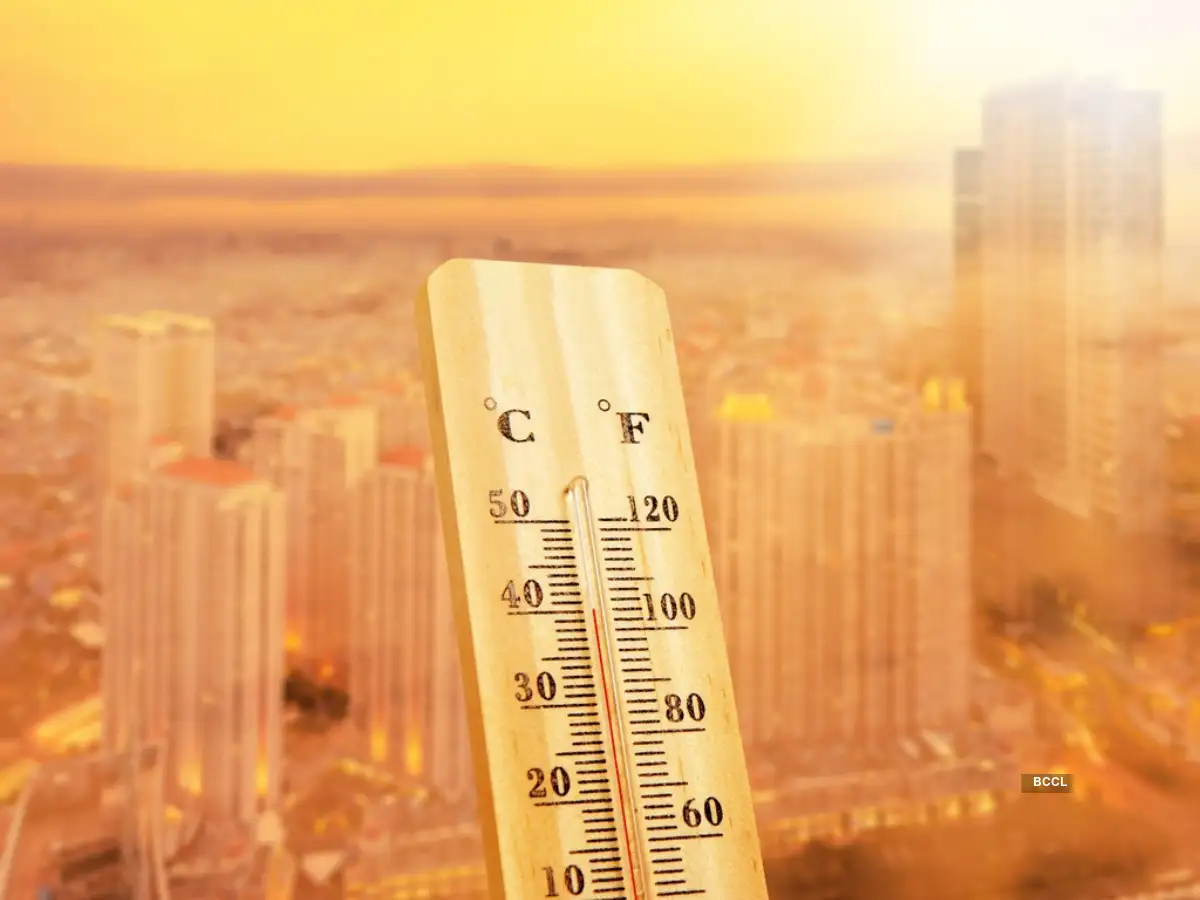
Residents across Mumbai are bracing for soaring daytime temperatures on Tuesday, March 10, as the city faces heatwave conditions with highs expected to reach 37°C. The India Meteorological Department (IMD) has issued a yellow alert for the city, signalling the need for precautionary measures and highlighting the growing challenges of urban heat exposure in the densely populated metropolis.
The IMD has forecast temperatures ranging from 24°C in the early morning to a peak of 37°C by mid-afternoon. Officials urge citizens to limit prolonged exposure to direct sunlight, stay hydrated, and consume light meals to mitigate health risks associated with high heat and humidity. Urban planners stress that such rising temperatures, coupled with high humidity, can exacerbate heat stress, particularly among the elderly, children, and outdoor workers. While the heatwave dominates public attention, the city is also contending with fluctuating air quality. Data from monitoring stations indicates an overall Air Quality Index (AQI) of 165, categorised as ‘Poor’. Although this marks an improvement from the previous day’s ‘Unhealthy’ reading of 255, several pockets in the city continue to experience severe pollution. Wadala Truck Terminal recorded the highest AQI at 343, classed as ‘Severe’, followed closely by Sewri West (313) and Kammanwar Nagar (308). Environmental experts note that concentrated industrial emissions and vehicular traffic in these zones contribute heavily to localised pollution spikes, posing immediate health risks to residents.
Conversely, certain areas such as Green Hills, Cama Industrial Estate, and Thakur Village maintained moderate to good air quality, with AQI readings ranging from 32 to 65. These disparities underline the uneven distribution of air pollution across the metropolitan region and highlight the need for targeted interventions in industrial and high-traffic zones. Urban sustainability planners emphasise the importance of expanding green buffers, monitoring industrial emissions, and promoting low-emission transport options to reduce ambient pollution levels over the long term. The combined pressures of extreme heat and variable air quality reflect broader climate resilience challenges for Mumbai. Industry experts stress that immediate measures, including awareness campaigns, public cooling centres, and real-time air quality alerts, are essential for safeguarding public health. Long-term urban planning efforts focused on green infrastructure, heat-resilient building design, and sustainable mobility systems will be critical to mitigating such environmental risks in the coming decades.
As temperatures climb, city authorities and residents alike are being reminded of the pressing need to adapt daily routines and policy responses to the intersecting challenges of heatwaves and air pollution. The effectiveness of these interventions will be pivotal in reducing health hazards and maintaining urban livability.
Mumbai Faces Heatwave As Temperatures Hit 37°C