


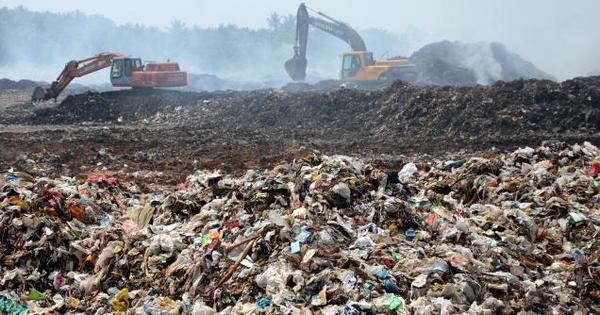
A growing public health alarm is unfolding in eastern Mumbai as medical practitioners and resident groups claim that prolonged exposure to emissions from the Kanjurmarg waste handling site is triggering a sharp rise in respiratory and dermatological illnesses. Local doctors and citizen bodies have now urged the Maharashtra government to intervene, warning that inaction risks deepening an avoidable health and environmental emergency.
Concerns escalated this week after members of a local association of general practitioners submitted a formal representation to senior state officials. Practitioners said that cases involving persistent cough, breathlessness, asthma flare-ups, and unexplained skin inflammation have increased substantially over the past two years — and notably across younger age groups. “The symptoms are becoming chronic rather than seasonal,” one practitioner said, noting rising complaints during winter months when air stagnation worsens particulate accumulation. Residents living in neighbourhoods closest to the site — including Vikhroli, Powai and parts of Kanjurmarg — have echoed those fears. Several community representatives said the odour, airborne ash, and periodic fires at the site have disrupted daily routines, prompting elderly individuals and school-aged children to restrict time outdoors.
“We are living beside what feels like a permanent industrial hazard,” a resident representative shared during recent discussions with government officials. The dumping site, operational for more than a decade, has been at the centre of multiple legal and administrative disputes. Environmental groups and a coalition of housing societies have repeatedly argued that the facility violates ecological safeguards, including coastal zone restrictions. Some experts say the core challenge is not merely location, but the lack of a systemic transition to scientific waste management practices — including waste segregation, biomethanisation, and circular resource recovery. Urban policy researchers note that Mumbai generates over 6,000 tonnes of solid waste daily, yet recycling and decentralised treatment infrastructure remain inadequate.
As Mumbai prepares for major urban expansion and climate resilience planning, public health advocates warn that unmanaged waste could undermine both environmental objectives and equity commitments. Communities located near landfills often belong to lower- and middle-income households, raising questions around environmental justice and fair access to clean air. Government officials have indicated that a state-appointed committee is evaluating long-term solutions, including reducing dependence on large dumping sites and exploring phased remediation. However, local stakeholders say timelines remain unclear and short-term relief is urgently needed.
As India’s financial capital positions itself as a future-ready, sustainable metropolis, the unfolding situation in Kanjurmarg underscores a critical reality: cities cannot advance towards resilience or inclusivity while residents continue to bear the health burden of outdated waste systems.
Also Read: Kochi Plans Upgrade To World Class Mobility
Mumbai Faces Health Emergency As Kanjur Dump Triggers Rising Respiratory And Skin Diseases
