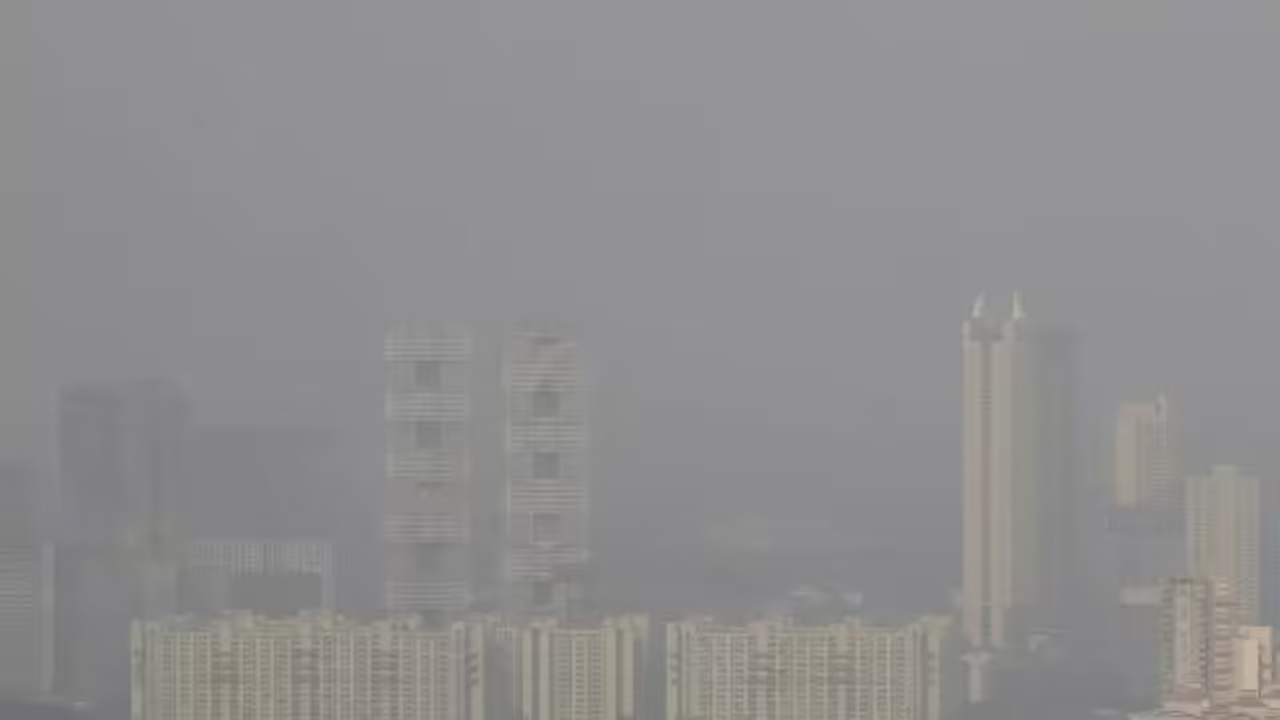
Mumbai is grappling with a severe air pollution crisis as the city’s Air Quality Index (AQI) surged to hazardous levels this week, peaking at 306 in central localities such as Mazgaon. Officials report that the citywide average AQI hovered at 232, indicating dangerous conditions that pose immediate health risks to all residents, including healthy individuals. Experts warn that prolonged exposure can trigger respiratory distress, cardiovascular issues, and other chronic illnesses.
The rapid deterioration in air quality is closely linked to the city’s ongoing construction boom. With new high-rises, infrastructure projects, and metro expansions, particulate matter emissions—particularly PM2.5 and PM10—have soared, combining with vehicular exhaust and industrial pollutants to create a dense grey smog. Urban planners note that Mumbai’s topography and climate, traditionally moderated by the Arabian Sea breeze, are now insufficient to disperse these accumulated pollutants. The Brihanmumbai Municipal Corporation (BMC) is considering emergency interventions mirroring the Graded Response Action Plan (GRAP) framework, including potential temporary bans on construction in the most affected zones. “Construction dust is a major contributor to particulate pollution. Restricting activities during extreme smog events is necessary, though it impacts the economy and labour,” an official said. Industry experts stress that such measures, while disruptive, may be critical to safeguard public health.
Construction in Mumbai supports a multi-billion-dollar sector and provides livelihoods to thousands of daily wage workers. Halting projects would affect housing supply, metro expansions, and other essential infrastructure. Yet, environmental analysts argue that without systemic pollution controls, the city risks chronic public health crises and escalating hospital admissions during high-smog periods. Long-term solutions, they suggest, must include stricter emissions standards, dust control at construction sites, green buffer zones, and sustainable urban planning that balances growth with environmental resilience. The recent spike underscores a harsh reality: Mumbai’s economic ambitions are increasingly at odds with residents’ right to clean air.
As the city grapples with this environmental emergency, authorities and citizens face urgent choices about the trade-offs between rapid urbanisation and quality of life. Experts emphasise that a proactive, science-driven approach is essential to ensure that Mumbai remains not only India’s financial hub but also a sustainable, healthy, and livable metropolis.
Mumbai Faces Hazardous Air Pollution Amid Rapid Construction Boom Citywide