


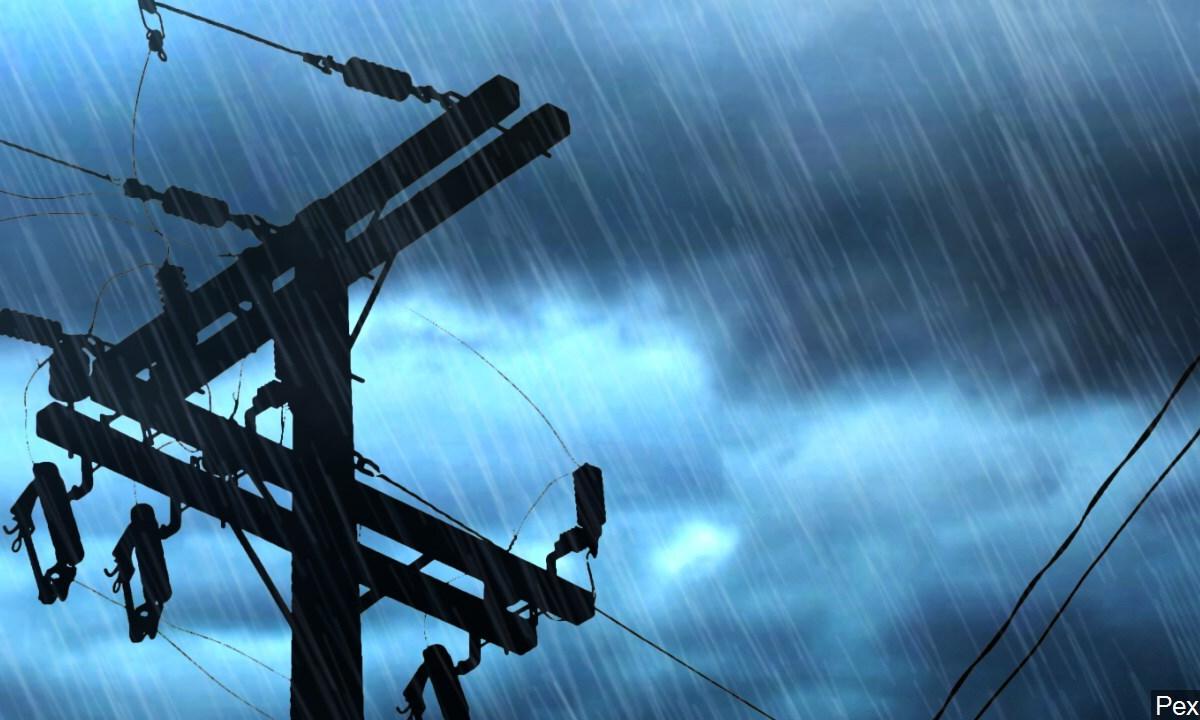
Relentless rainfall across the Mumbai Metropolitan Region (MMR) has not only inundated neighbourhoods but also triggered one of the largest power outages in recent years, leaving lakhs of consumers in the dark. Over the past two days, electricity distribution companies were forced to disconnect supply to safeguard infrastructure and prevent electrocution in flood-affected zones.
In Kalyan, Vasai, and Virar, more than 2.5 lakh consumers were impacted after water levels rose dangerously around transformers and substations. Officials confirmed that nearly 1,300 transformers had to be shut down in Vasai-Virar alone, marking the worst-hit pocket in the region. The precautionary shutdown, they said, was essential to avert catastrophic failures and protect public safety. In Mumbai city, power outages were reported on Tuesday across several suburbs. Kurla witnessed a significant disruption after two substations were submerged, directly affecting more than 1,000 households. Other localities including Andheri, Jogeshwari, Kandivli, Ghatkopar, Vile Parle, and Mira Road also reported intermittent blackouts. Even areas served by municipal power networks, such as Sion and Mahalaxmi, experienced brief outages a day earlier.
Private distribution companies indicated that the crisis was partly managed through automated safety systems. According to one official, sensors linked to SCADA systems automatically cut supply once floodwaters crossed danger levels. “We had to disconnect around 70 substations, impacting roughly 25,000 families. These steps were vital to safeguard lives and equipment,” said the official. Despite these outages, electricity firms highlighted the scale of their efforts. With more than 9,000 substations catering to over three million consumers across Mumbai, officials argued that the shutdowns represented a small fraction of the network. Teams were deployed round-the-clock to restore power where conditions permitted, but officials admitted that waterlogging and red alerts from the weather department posed constant operational hurdles.
State-owned distributors also mounted large-scale restoration drives across semi-urban zones, especially in Nandivali, Adivali, Titwala, and Badlapur. Field engineers were dispatched in flood-hit belts to reconnect feeders wherever possible, but in many locations, high water levels meant waiting until floodwaters receded. Energy experts warn that the cascading failures across Mumbai and its peripheries underscore the fragility of urban infrastructure in the face of extreme weather. Climate change, they argue, is intensifying rainfall events and exposing the vulnerability of poorly planned power systems. For cities aspiring to become sustainable and equitable, the episode offers a stark reminder of the need to redesign electricity grids for resilience, decentralisation, and climate safety.
For now, as authorities race against the rain to restore normalcy, residents continue to grapple with uncertainty, forced to adapt their lives around erratic power supply in one of India’s most densely populated metropolitan regions.
Also Read : Over 17,000 Evacuated As Flooding Intensifies Across MMR Region
