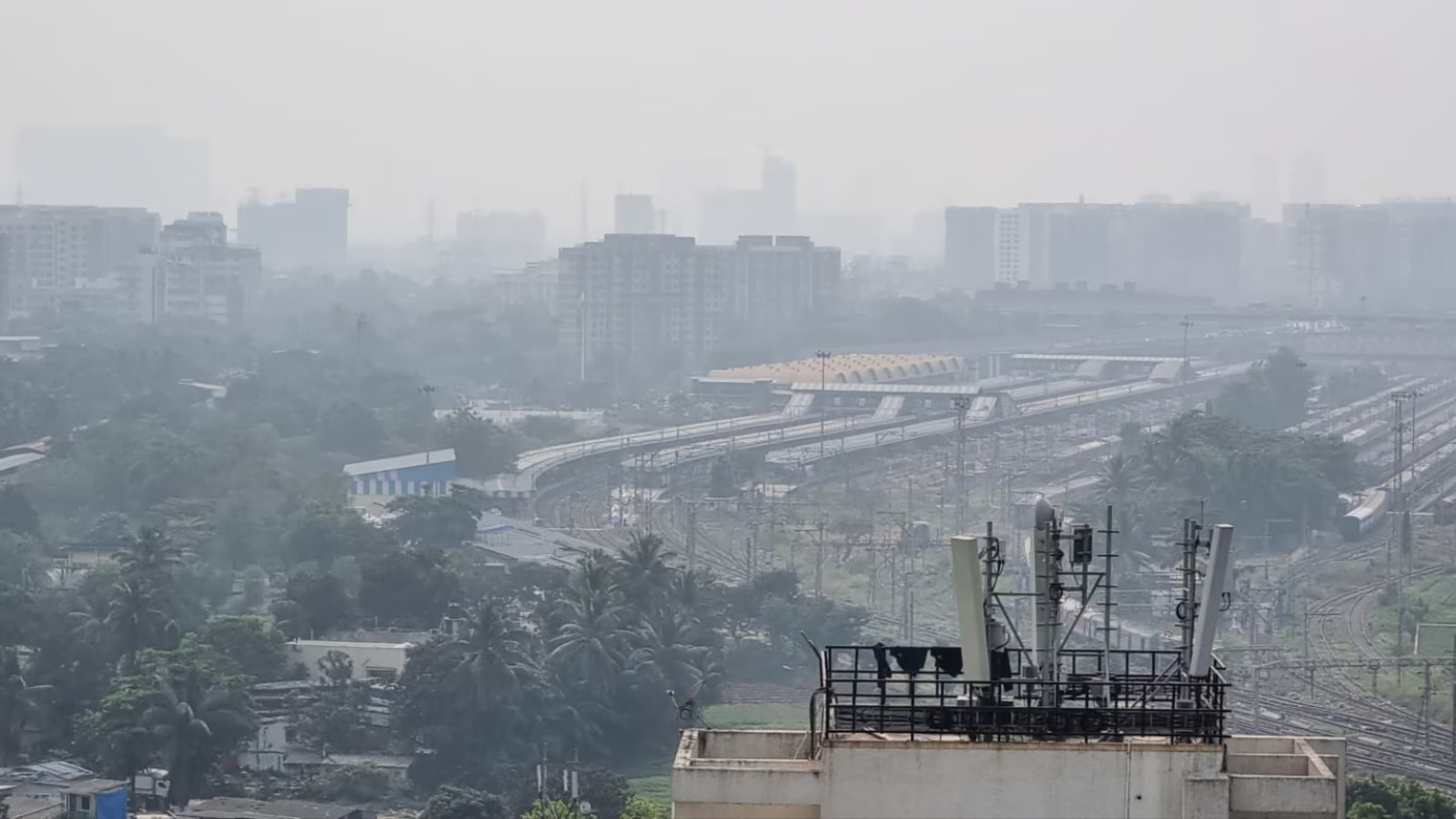
Thane is witnessing a steady deterioration in air quality as the Mumbai Metropolitan Region (MMR) undertakes an ambitious wave of infrastructure expansion, encompassing new metro lines, expressways, tunnels, and urban redevelopment. While these projects aim to enhance connectivity and economic growth, the satellite city of Thane is emerging as a hotspot for pollution, often surpassing even Mumbai in particulate matter levels. Environmental experts warn that unchecked urban growth could undermine long-term sustainability and public health.
A recent study by iForest, a research think tank, monitored air pollutants at Kasarvadavali and Upvan Fort, revealing a mixed pattern. Sulphur dioxide levels fell by 30% and 21% respectively, while nitrogen dioxide rose sharply—by 73% in Kasarvadavali and 33% in Upvan Fort. PM2.5 concentrations in Kasarvadavali exceeded the Central Pollution Control Board (CPCB) annual limits by 1.6 times, while PM10 levels were similarly elevated, particularly during winter. iForest highlighted the need for additional monitoring infrastructure, recommending eight stations for Thane compared with the current five. Officials cite vehicular emissions and construction activity as primary contributors to the pollution surge. “Our focus is on expanding electric public transport and ensuring sustainable urban practices across departments,” said a senior TMC environment officer. The corporation currently operates 123 electric buses, with plans to add 303 more, while initiatives to convert crematoriums from firewood to gas and encourage bakeries to shift to clean cooking fuels are underway.
The Maharashtra Pollution Control Board (MPCB) has supported these measures, enforcing strict dust mitigation and construction site enclosures. “Strict compliance monitoring and coordinated city-level action are essential to manage air quality,” an MPCB officer noted. Experts emphasised that sustainable urban planning must accompany infrastructure growth to prevent long-term environmental degradation. Urban planners highlighted that Thane’s position at the heart of MMR’s economic surge—anchored by new metro connectivity, ring roads, and redevelopment projects—necessitates forward-looking strategies. Financial incentives, public awareness campaigns, and robust transport alternatives are crucial to achieving measurable improvements in air quality. NGOs further urged integrating waste management and citizen participation to tackle emissions comprehensively.
As Thane navigates its role in MMR’s transformation, balancing rapid urbanisation with environmental stewardship remains critical. Thoughtful planning, strengthened regulatory frameworks, and adoption of low-emission technologies will determine whether the city can thrive without compromising air quality and public health.
Mumbai Expands Transport Network While Thane Suffers Increasing Air Quality Problems