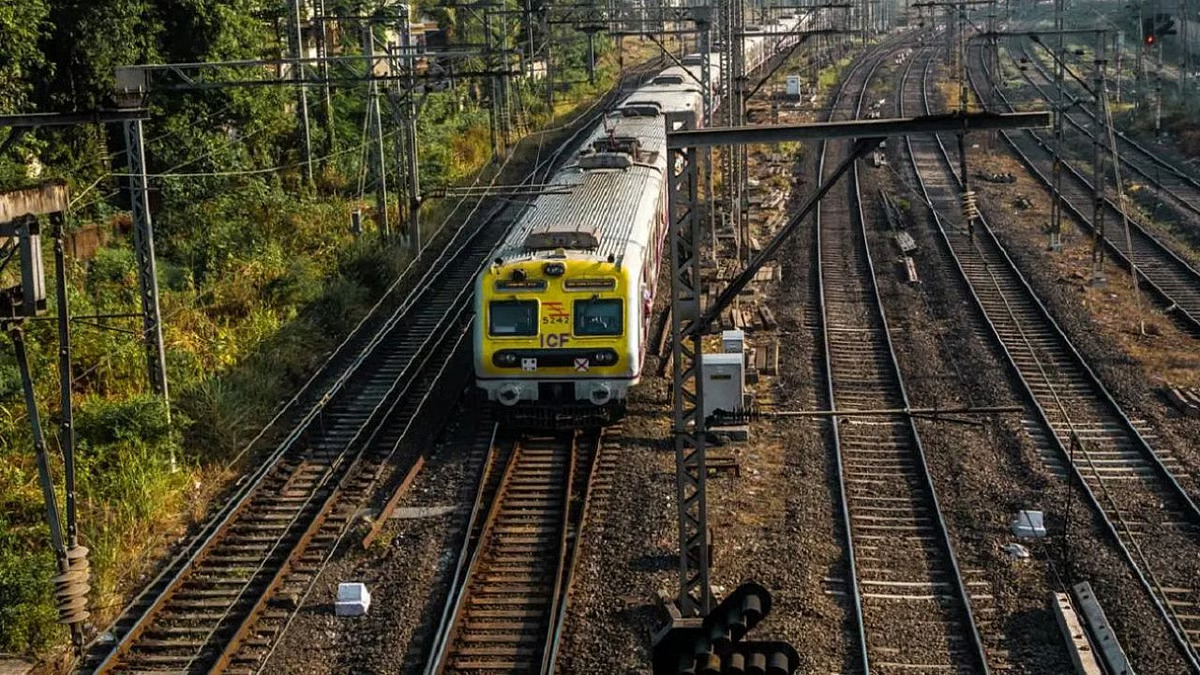
Mumbai Expands Summer Train Services to Meet Holiday Travel Demand
To handle the expected surge in summer travel during the vacation season, India’s Central Railway — headquartered in Mumbai — has announced an extensive roster of 1,484 summer special trains spanning both reserved and unreserved services. The initiative is aimed at reducing overcrowding on regular trains, easing peak‑season pressure on key corridors and improving connectivity for holiday‑bound commuters within Maharashtra and beyond.
Under the plan, 749 reserved and 735 unreserved special services will run alongside existing trains, offering more capacity for passengers travelling from Mumbai to regional and long‑distance destinations. These seasonal additions are part of efforts to optimise network efficiency during periods of high demand, when rail travel volumes traditionally spike as schools close and families plan trips. For Mumbaikars and residents of the Mumbai Metropolitan Region (MMR), the summer‑special schedule will bring added options on critical intra‑ and inter‑regional routes. Several services will connect Mumbai with key destinations within the state — such as Daund, Nashik, Pune and Kolhapur — helping local residents access leisure, cultural and family destinations with less crowding on standard trains. Central Railway officials say detailed schedules and stops will be released ahead of the services entering operation. Beyond state links, a segment of the special trains will run to far‑flung cities such as Gorakhpur and Ballia in northern India, strengthening Mumbai’s rail connectivity to destinations beyond Maharashtra’s borders and supporting seasonal migrant movement.
Railway planners emphasise that this operational scale‑up is not merely a short‑term fix but part of a broader strategy to manage fluctuating travel patterns while maintaining service quality. They note that peak‑season adjustments — such as augmented train frequency and enhanced passenger facilities — help reduce stress on core services and can prevent systemic delays. For passengers, the deployment of special trains comes amid ongoing infrastructure challenges in the region, including periodic maintenance work and suburban service blocks on Central Railway lines that can affect local travel. The expanded summer schedule aims to complement existing suburban and long‑distance networks by providing alternative travel options during high‑demand windows. Travel analysts suggest that the success of seasonal train interventions depends on efficient timetable integration, clear communication of schedules and coordination with reservation systems. In Mumbai’s densely populated corridors — where rail services are integral to daily mobility — anticipatory planning for peak passenger volumes can also contribute to smoother operations and improved traveller experience.
As the holiday season approaches and summer travel picks up, the effectiveness of the 1,484 summer special services will be visible in how well they absorb peak travel demand without compromising punctuality or comfort. For long‑distance passengers and daily commuters alike, these enhanced services represent a significant short‑term expansion of rail capacity out of one of India’s busiest transport hubs.