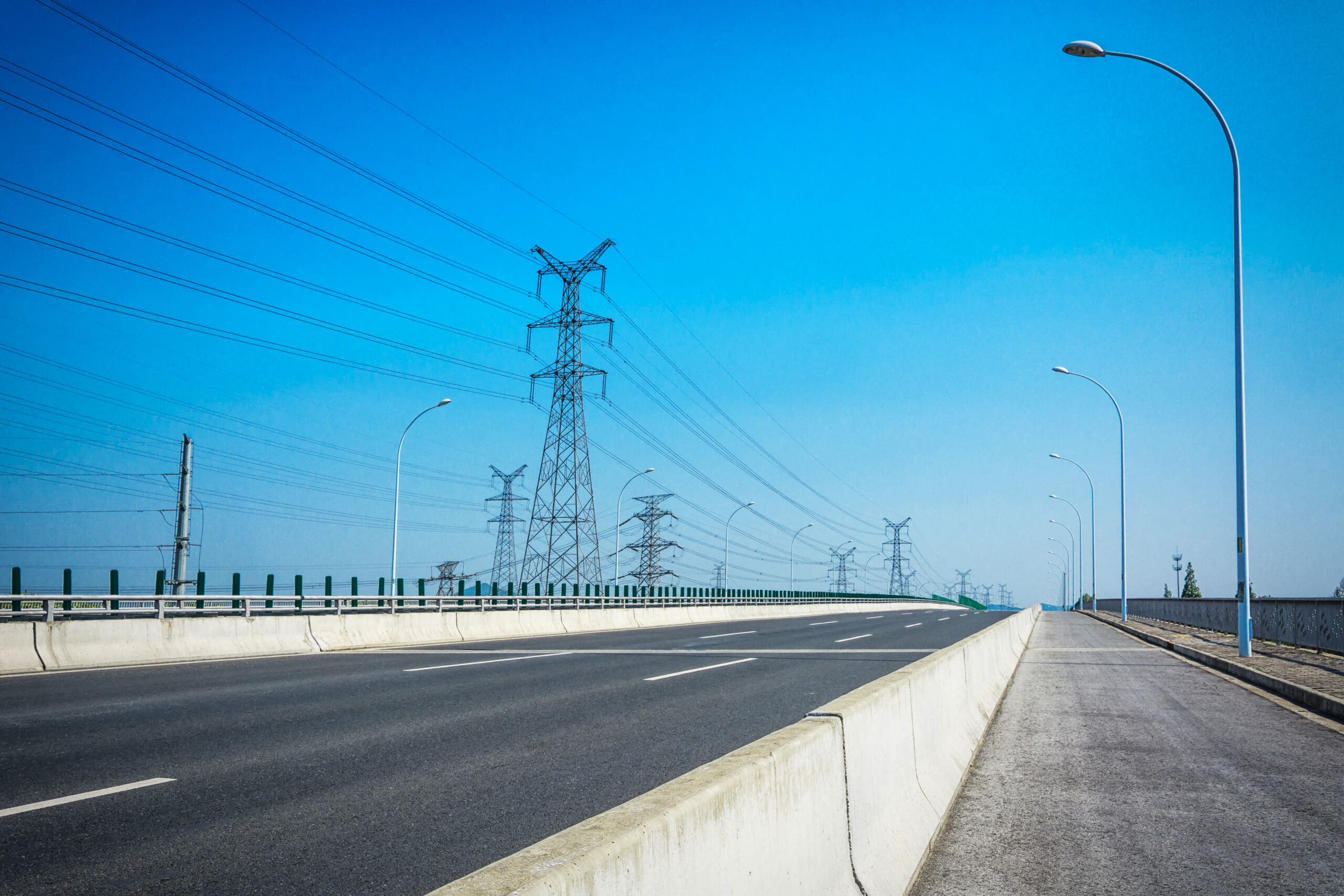
Mumbai exempts toll for electric vehicles on Atal Setu
Mumbai has taken a decisive step towards greener mobility by exempting electric vehicles from paying toll on the Atal Setu. The decision, effective from 22 August, is part of the state’s larger electric vehicle policy aimed at accelerating the adoption of sustainable transport solutions across Maharashtra.
Officials confirmed that the waiver will cover private cars and state-owned passenger buses, while excluding freight vehicles. The policy, announced earlier this year, identified key highways including the Atal Setu, the Mumbai–Pune Expressway, and the Samruddhi Mahamarg for toll exemptions or discounts on electric vehicles. Software upgrades at toll plazas have been rolled out to implement the new rule, starting with Atal Setu.
Currently, toll for a four-wheeler on the Atal Setu is ₹250. With nearly 60,000 vehicles crossing the bridge daily, the exemption is expected to provide substantial savings for owners of electric cars and buses, while signalling the state’s commitment to cut urban transport emissions. Officials estimate that more than 22,000 electric vehicles, including passenger cars and buses, are registered in Mumbai alone, a number that continues to grow steadily. Transport experts view the move as a pragmatic step in shifting both consumer behaviour and fleet operators towards clean energy alternatives. The policy not only incentivises urban residents who own personal electric vehicles but also provides a push to public transport agencies and private operators to invest in electric buses, which are crucial for reducing air pollution in a densely populated city like Mumbai.
The government has clarified that freight carriers will not be included in the exemption at this stage. Industry observers believe this exclusion stems from the relatively limited penetration of electric freight vehicles and the need for more charging infrastructure to support heavier vehicles. Nevertheless, the toll waiver for passenger vehicles sets a precedent that could be extended in future phases as technology and infrastructure mature. The Atal Setu, a critical connector linking Mumbai to Navi Mumbai and further to Pune and Goa, has already altered commuting patterns by slashing travel time. The addition of toll-free access for electric vehicles is expected to make sustainable mobility more appealing to commuters who rely on the corridor for daily or inter-city travel.
Officials highlight that the exemption aligns with the state’s ambition to become a hub for electric mobility by 2030, a target that demands both consumer adoption and supportive infrastructure. The move also underlines the broader vision of building climate-conscious, zero-carbon cities where transport plays a leading role in curbing emissions. For Mumbai residents, the toll waiver is more than a financial relief — it is a signal that the city is steadily turning towards a future of cleaner, more equitable, and eco-friendly transport.