


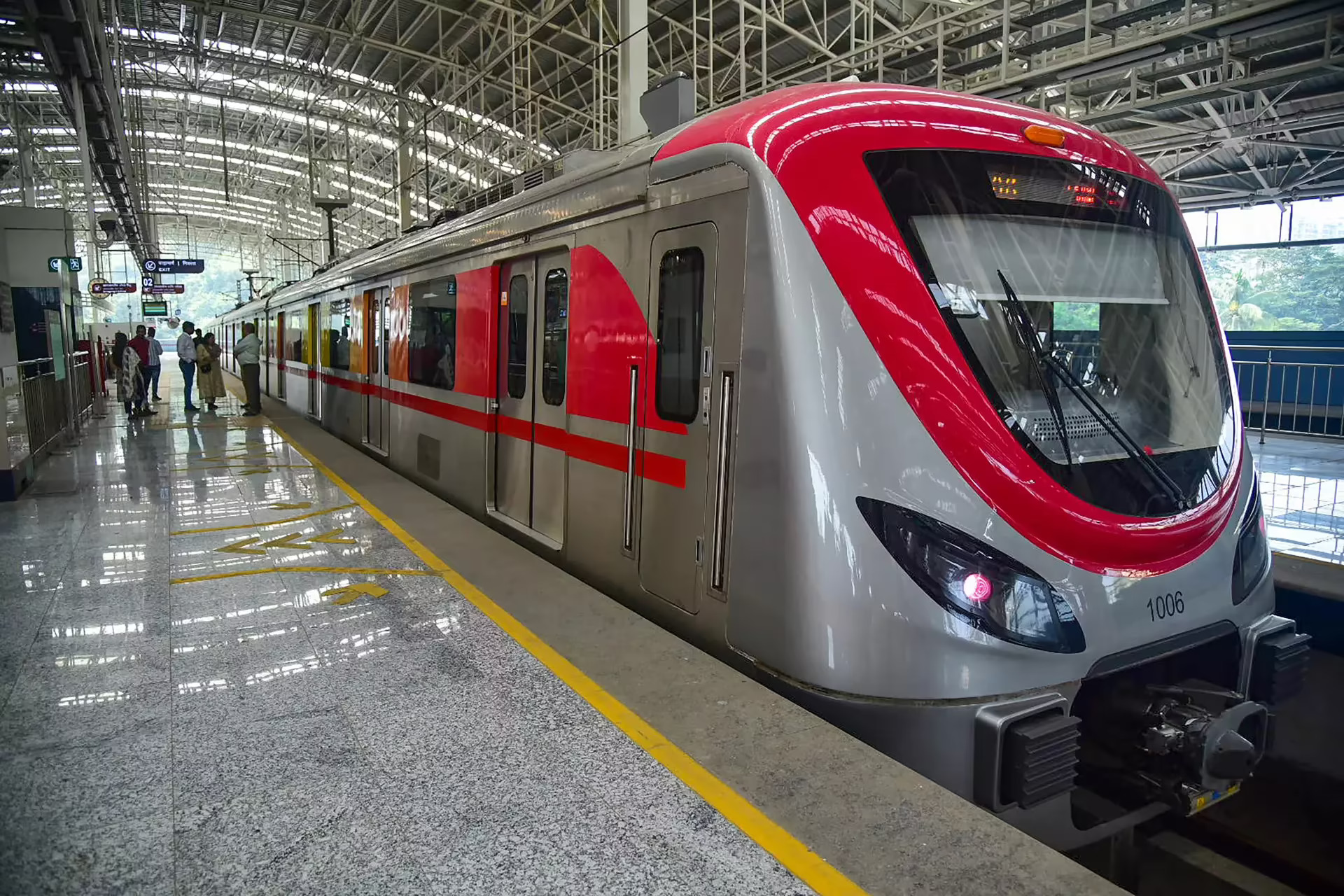
From December this year, elevators across India are set for a major safety transformation. New systems inspired by metro train compartments will ensure that elevator cars remain securely locked until the doors are completely closed, preventing movement with open doors. The initiative, mandated under revised Bureau of Indian Standards (BIS) norms, represents a decisive step toward reducing accidents and raising the safety profile of the country’s vertical transport sector.
India is the second-largest elevator market in the world after China, with rapid urbanisation and high-rise construction fuelling growth. Yet, elevator accidents remain a concern, particularly in states without comprehensive lift laws. According to officials, the new code will bring much-needed consistency, requiring all manufacturers to comply by December 2025. This will not only address commuter safety but also standardise operations across India’s fragmented regulatory environment. Beyond door-locking systems, the new standards mandate the installation of advanced technologies including speed governors and Ascending Car Overspeed Protection, designed to stop cars in the event of control failures. Elevators will also feature light curtains, two-way emergency communication systems operable during power outages, and stricter protocols for fire safety and evacuation. These measures aim to secure both passengers and the technicians tasked with maintaining the systems.
Industry experts emphasise that the upgraded standards, identified as IS 17900 Part 1 & 2, are aligned with European benchmark EN 81-20/50. This global alignment is expected to boost investor and consumer confidence, positioning India as a leader in safe, sustainable vertical mobility. The new framework stresses structural integrity, fail-safe mechanisms, and inclusivity, making elevators more accessible for people with disabilities and ensuring compliance with modern design principles. The elevator overhaul also ties into India’s broader urban agenda of creating eco-friendly and equitable cities. By enforcing stringent safety standards, the government is signalling a move toward resilient infrastructure that not only reduces accident risks but also supports sustainable construction practices. Experts believe that, in the long term, these norms could lower the carbon footprint of elevator operations by pushing for better energy efficiency and smarter systems.
While 17 states currently have legislation governing lifts and escalators, many regions still lack comprehensive legal frameworks. The updated code is therefore expected to close regulatory gaps, ensuring that safety is not dependent on state-specific rules but is embedded in national standards. For commuters, it means fewer risks during everyday use, while for manufacturers, it marks a new era of accountability and innovation. The upcoming transition underscores how safety, sustainability, and inclusivity are shaping India’s urban infrastructure. As the December deadline approaches, the industry is preparing for a future Mumbai To Witness Scattered Rain Today, Heavy Showers Likely September 3-4where elevators in India will be as reliable and secure as metro rail systems, setting a new benchmark for vertical mobility.
Also Read : Mumbai To Witness Scattered Rain Today, Heavy Showers Likely September 3-4
