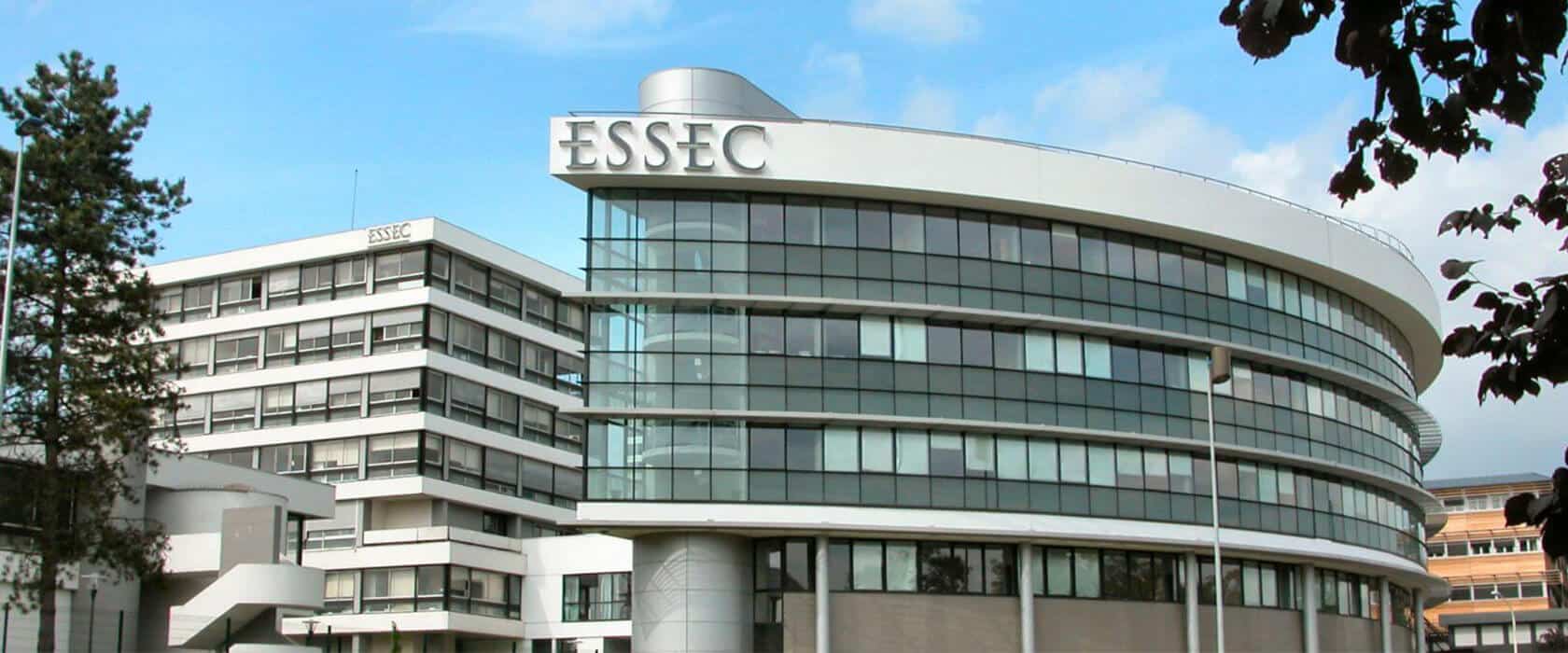
Mumbai Education Hub Signals Boost To India France Innovation
Mumbai has taken a strategic step towards deepening its role as a knowledge and innovation hub with the launch of a permanent campus outpost by ESSEC Business School, a leading global management education institution. The inauguration of the Mumbai hub on 18 February coincided with high-level diplomatic exchanges as part of the India-France Year of Innovation, reinforcing the city’s growing appeal as a nexus for international education and sustainable skills development.
The new hub marks ESSEC’s first physical presence in India and its third international outpost after London and New York, signalling a long-term commitment to local partnerships, student mobility and industry engagement. Urban planners and education economists say such moves can expand access to world-class learning while injecting new ideas and networks into local ecosystems.At a time when cities like Mumbai are prioritising inclusive growth and innovation-driven jobs, the hub is designed to act as a bridge between Indian institutions and global industry. It will anchor collaborations with top Indian business schools and research centres, expand student exchange initiatives, and support curriculum work aligned to rapidly evolving sectors such as technology-enabled service industries and sustainable management.
Central to the hub’s academic agenda is a hybrid educational model combining business with science, technology, engineering and mathematics — a so-called “STEM-B” framework developed with France’s CentraleSupélec. This fusion of disciplines is intended to give graduates the analytical tools required for complex problem-solving in competitive, climate-aware sectors. Experts in higher education say interdisciplinary approaches are increasingly critical to cities seeking resilient, future-ready workforce pipelines.The hub’s leadership will also deepen existing links with top Indian institutions such as the Indian Institute of Management Bangalore and the Indian School of Business, enabling dual degrees and broader student flows. For Mumbai, this could help attract diverse talent and support its long-term ambitions in research and entrepreneurship amid intensifying global competition for skilled graduates.
Analysts note that international academic centres can generate ripple effects in urban economies — from job creation and international collaborations to knowledge spillovers that boost innovation clusters. For cities like Mumbai, which already host major finance, tech and creative sectors, such investments can anchor inclusive growth while advancing sustainability goals through education and enterprise.
However, stakeholders also highlight the need for parallel investments in affordability, local talent development, and robust public-private frameworks to ensure equitable access. Moving forward, the effectiveness of the hub will be judged not just by enrolment numbers, but by its contribution to deepening India’s global ties and supporting climate-resilient, inclusive urban economies.