


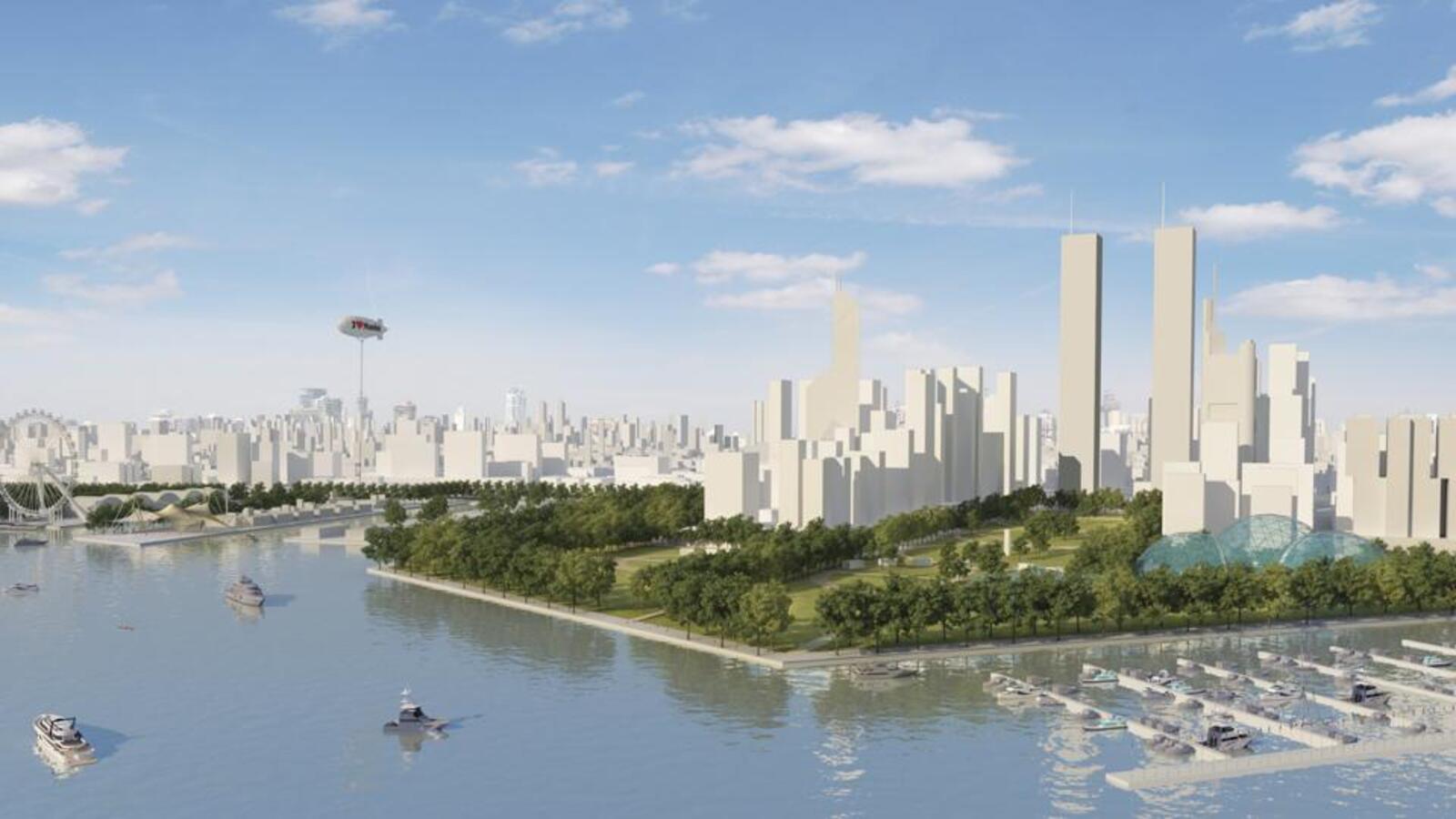
Mumbai is preparing for one of its most ambitious coastal redevelopment programmes, with plans underway to transform the city’s eastern waterfront through investments estimated at ₹22,672 crore over the coming decades. The long-term initiative aims to reposition underutilised port and docklands into a modern maritime, logistics and urban district, signalling a shift in how India’s financial capital integrates its working waterfront with future urban growth.
The eastern waterfront, stretching across legacy port areas, has historically remained closed off from the city despite its strategic location. Authorities overseeing the project see the redevelopment as a chance to unlock economic value from ageing maritime infrastructure while easing development pressure on Mumbai’s already saturated western corridor. The vision extends to 2047, aligning with national milestones for infrastructure modernisation and economic expansion. Urban planners involved in the programme describe it as a multi-layered transformation rather than a single construction project. Plans include modern port facilities, cruise and passenger terminals, logistics zones, public waterfront access and supporting commercial development. The intent is to create a balanced maritime district that supports trade and employment while reconnecting citizens with the coastline. From an economic standpoint, the redevelopment could significantly reshape Mumbai’s port-led economy. Industry experts note that revitalised docks and logistics infrastructure can improve cargo handling efficiency, reduce turnaround times and strengthen India’s position in regional shipping networks. This has downstream effects on manufacturing, retail supply chains and real estate markets linked to port activity.
The project also carries implications for urban land use and housing. Large tracts of publicly controlled waterfront land offer rare opportunities for planned development in a city constrained by geography. Urban economists caution that careful zoning and phasing will be critical to ensure that commercial and tourism-led investments do not crowd out affordable housing, public spaces or essential civic infrastructure. Climate resilience is a central consideration in the eastern waterfront strategy. Mumbai’s exposure to sea-level rise, storm surges and flooding has underscored the risks of coastal development. Planners indicate that new infrastructure will need to incorporate elevated platforms, flood management systems and nature-based solutions such as mangrove buffers to protect both assets and surrounding neighbourhoods. Integrating low-carbon transport and energy-efficient buildings is expected to be a baseline requirement rather than an add-on.
Social inclusion is another challenge. Communities living near port areas have long experienced environmental stress and limited access to services. Urban policy specialists argue that redevelopment must prioritise local employment, skills training and improved connectivity to ensure that economic gains translate into broader opportunity rather than displacement. As the project moves from vision to phased execution, governance and coordination between port authorities, city agencies and state planners will be closely watched. The eastern waterfront’s transformation has the potential to redefine Mumbai’s relationship with its harbour — but its success will depend on whether long-term economic ambition is matched by resilient design, inclusive planning and responsible real estate development.
Also Read: Adani Ports Performance Signals Port Led Expansion
Mumbai Eastern Waterfront Project Redefines Coastal Economy
