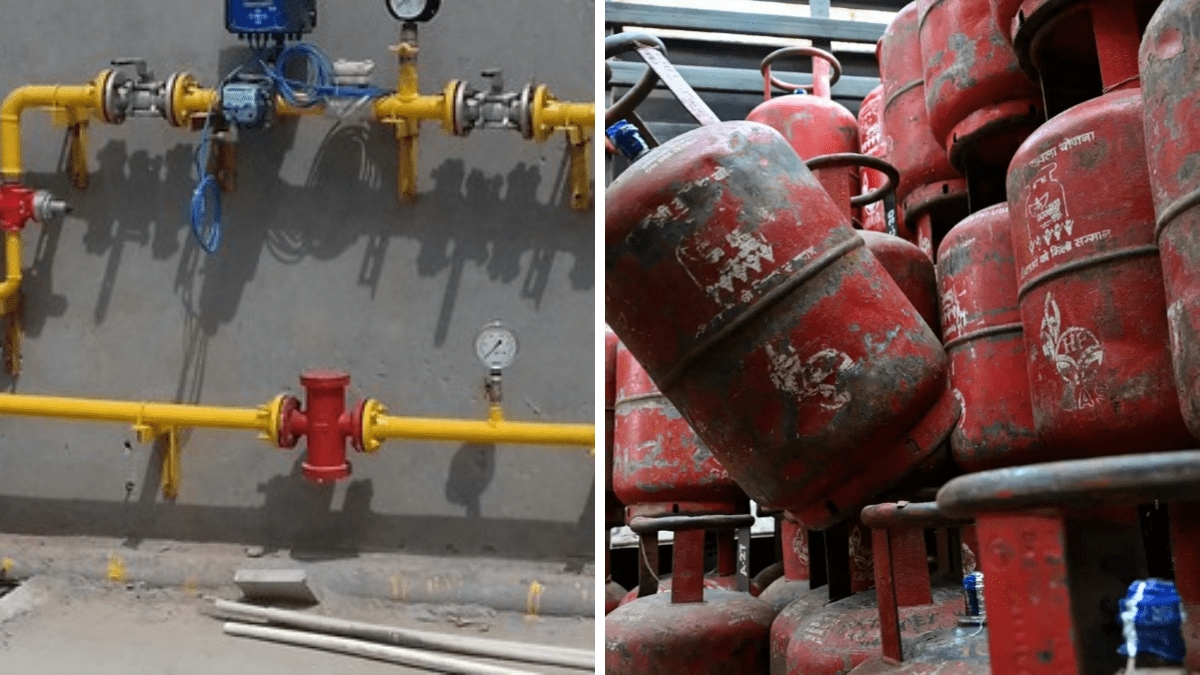
Mumbai’s civic administration has introduced a series of temporary regulatory relaxations to accelerate the rollout of piped natural gas (PNG) connections, as the city grapples with a shortage of liquefied petroleum gas (LPG). The move is aimed at ensuring uninterrupted access to cooking and commercial fuel, particularly for households and small businesses that rely heavily on LPG cylinders.
Under the revised framework, municipal authorities have directed local ward offices to expedite all pending approvals related to PNG infrastructure. Applications awaiting clearance will be treated as automatically sanctioned, while new requests are to be processed within a sharply reduced timeline. The measures are expected to remain in force until the end of June, creating a short-term window for rapid expansion of the network. The PNG connections Mumbai push reflects an urgent response to supply disruptions that have affected a wide range of users, including restaurants, food delivery services, traditional lunch carriers, and small-scale service providers. Industry stakeholders indicate that the shortage has exposed structural vulnerabilities in the city’s dependence on cylinder-based fuel systems, particularly during periods of logistical or supply chain stress.
To further accelerate implementation, authorities have permitted round-the-clock work for pipeline installation and related activities. Certain procedural requirements—such as prior clearances from fire and traffic authorities—have been temporarily relaxed, with agencies instead required to be informed of work schedules. Urban infrastructure experts note that while such measures can significantly reduce project timelines, coordination across departments remains critical to ensure safety and minimise disruption in densely populated areas. The current push for PNG connections Mumbai also aligns with broader energy transition goals. Compared to LPG, piped natural gas offers a more stable supply chain and can contribute to lower emissions at the point of use. For a city like Mumbai, where air quality and energy efficiency are growing concerns, expanding PNG access is seen as a step towards cleaner and more resilient urban energy systems.
Policy signals from both central and state authorities have reinforced this shift, encouraging faster adoption of city gas distribution networks. Analysts suggest that the present crisis could act as a catalyst for long-term behavioural change, prompting both residential and commercial users to transition towards piped alternatives. However, the accelerated rollout also raises questions around infrastructure readiness, last-mile connectivity, and equitable access. In informal settlements and older neighbourhoods, retrofitting pipelines can be complex, requiring careful planning and community engagement. Ensuring that lower-income households are not left out of the transition will be key to achieving inclusive urban energy access.
As Mumbai works to stabilise its fuel supply ecosystem, the success of this intervention will depend on how effectively short-term urgency translates into long-term infrastructure resilience. The coming months are likely to test whether rapid regulatory easing can deliver both speed and sustainability in one of India’s most densely built urban environments.
Mumbai Eases Rules To Expand PNG Network Access