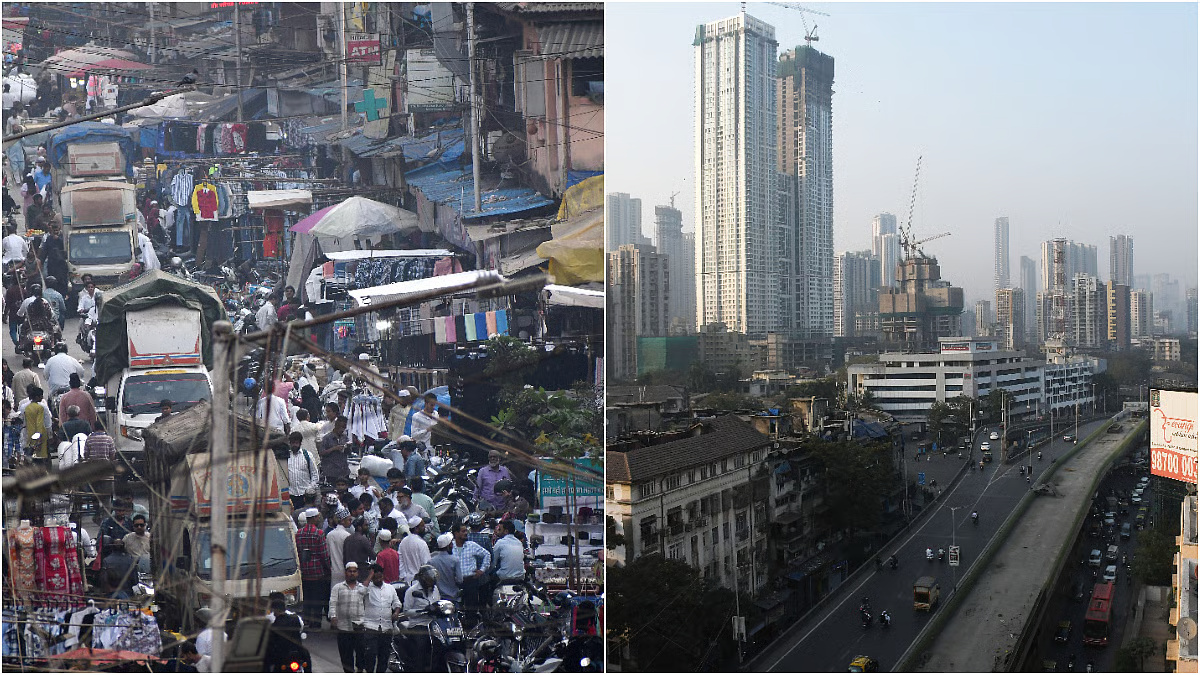
Mumbai’s E ward, one of the city’s most historically layered and institutionally dense civic zones, is increasingly defined by environmental stress, stalled infrastructure projects and worsening daily mobility, raising concerns over long-term urban liveability in the heart of the metropolis.
Stretching across Byculla, Mazgaon, Mumbai Central, Agripada and surrounding neighbourhoods, the ward hosts some of Mumbai’s most critical assets, including major public hospitals, heritage railway stations, an active port facility and the city’s only zoological garden. Yet despite its strategic importance, residents say civic delivery has struggled to keep pace with rising density and overlapping infrastructure works. Over the past two winters, Byculla and Mazgaon have consistently recorded some of Mumbai’s poorest air quality readings. During peak pollution periods this year, air quality index levels crossed the severe threshold, triggering emergency mitigation measures by the municipal corporation. Officials temporarily halted civic works, intensified road washing and acted against non-compliant commercial units, particularly night-time bakeries operating without adequate pollution controls.
Urban environment experts note that while enforcement spikes during pollution alerts, chronic contributors remain unaddressed. Unregulated construction activity, uncovered debris, frequent road digging and unauthorised building works continue across the ward, compounding dust levels and reducing already limited road space. “Air pollution here is structural, not seasonal,” said an environmental policy expert, pointing to weak monitoring and fragmented project coordination. Traffic congestion has worsened alongside pollution. Several long-pending bridge projects, including key east–west connectors, remain incomplete, forcing traffic diversions and longer travel times for commuters, schoolchildren and emergency vehicles. Residents say the absence of interim traffic planning has turned short neighbourhood trips into daily bottlenecks, increasing fuel consumption and emissions in tightly packed residential areas.
Public representatives have also flagged gaps in last-mile pedestrian connectivity, particularly near railway infrastructure. Unsafe track crossings remain common in certain pockets, with delays in building pedestrian links prolonging daily risks for commuters. Urban planners argue that such oversights contradict the city’s stated goals of walkability and transit-oriented development. Beyond infrastructure, residents point to governance fatigue. Despite the ward’s concentration of healthcare facilities and economic activity, issues such as noise pollution from night-time construction, unchecked encroachments and illicit activities persist. Civic officials acknowledge capacity constraints but say multiple agencies are involved, often slowing decision-making and accountability.
The E ward’s challenges highlight a broader urban paradox: historic central districts bearing the heaviest infrastructure load while receiving fragmented upgrades. Experts stress that future interventions must prioritise coordinated construction scheduling, stricter pollution compliance and people-first mobility planning. As Mumbai pushes towards a more sustainable and equitable urban future, the experience of E ward underscores the urgency of aligning heritage conservation, environmental health and infrastructure delivery — not as parallel goals, but as a single civic responsibility.
Mumbai E Ward Struggles With Poor AQI Incomplete Bridges And Traffic Chaos