


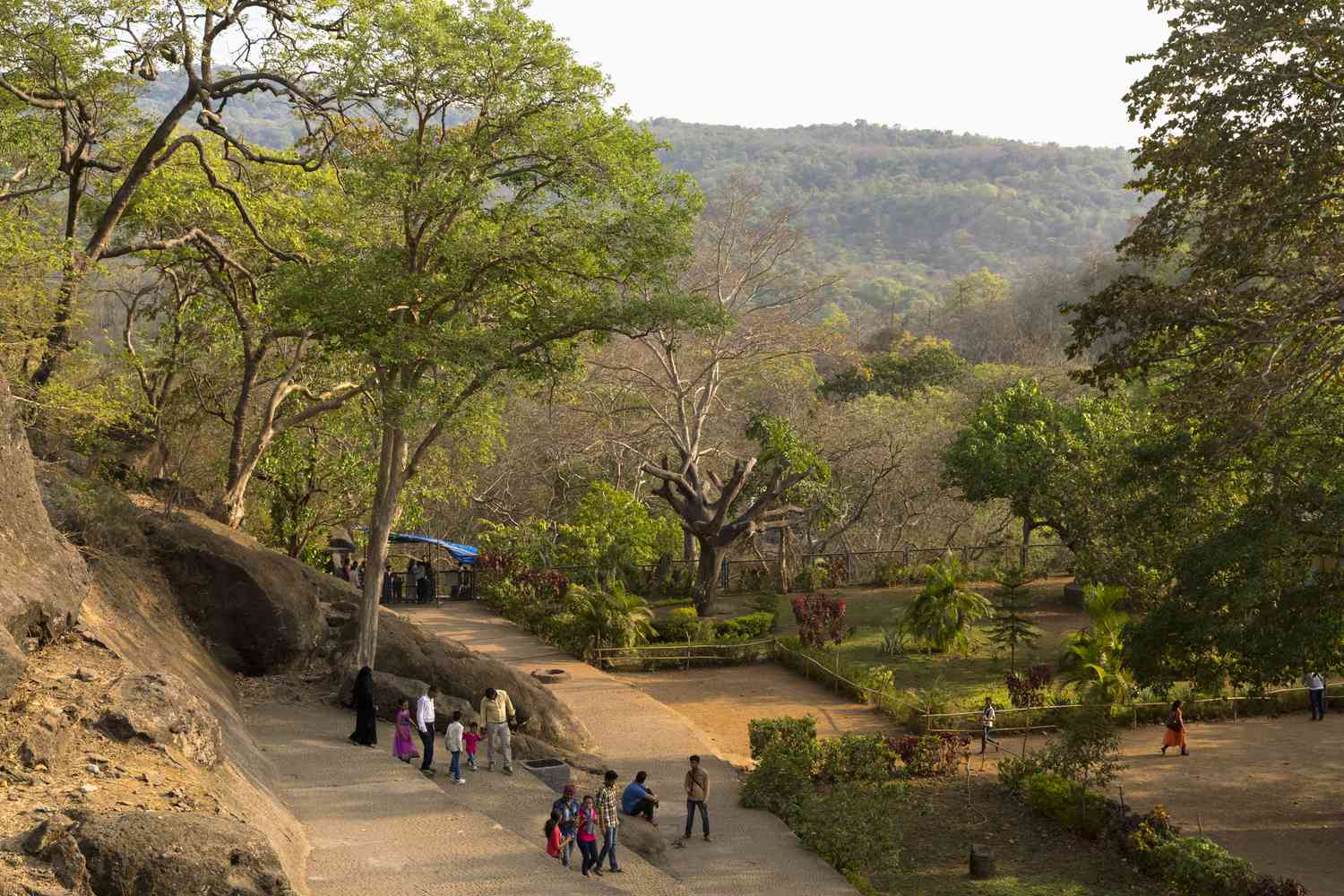
Mumbai’s draft zoning framework for the eco-sensitive area around Sanjay Gandhi National Park (SGNP) has drawn objections from the state forest department, which has cautioned that the current proposal may dilute environmental protections and accelerate construction around one of India’s most biodiverse urban forests.
Officials argue that the framework, if finalised without revision, risks intensifying human–wildlife conflict and weakening safeguards that have governed development in the region since a central notification was issued in 2016. In a formal note sent earlier this month, the SGNP authority urged the Brihanmumbai Municipal Corporation (BMC) to realign the document with the Union environment ministry’s 2016 Eco-Sensitive Zone (ESZ) notification. The notification allows controlled residential development but restricts commercial, industrial and high-impact activities within a regulated buffer surrounding the park. According to the forest department, several provisions in the current draft appear significantly more permissive than those earlier guidelines. The draft divides the ESZ into three planning categories.
The first, designated as a settlement zone, enables full-scale residential and commercial development with limited exclusions. The second, which covers most of the protected buffer, extends similar development rights except where explicitly prohibited, despite higher ecological sensitivity. Only the final category — marked as ecologically fragile — prohibits construction entirely due to wetlands, mangroves and wildlife movement corridors. Forest officials argue that this zoning approach risks “normalising urban expansion up to the forest edge,” a concern amplified by the inclusion of certain commercial and industrial activities such as hotels, concrete batching units and retail complexes. These, officials say, are incompatible with the intent of an eco-buffer and may lead to increased fragmentation of habitat alongside rising traffic, noise and municipal waste — all known stressors in eco-sensitive landscapes.
The department has recommended that a one-kilometre development buffer be strictly retained, preventing new commercial construction unless explicitly permitted under the 2016 framework. It has also sought updated mapping of settlements, encroachments, village boundaries and land ownership to avoid disputes or regularisation of structures built after notification. A senior SGNP official confirmed the objections, noting that the ESZ Monitoring Committee — chaired by the BMC commissioner — must review and approve the final plan before implementation. “The goal is clarity, enforceability and ecological protection. Any framework must reflect those principles,” the official said. A BMC representative said the corporation will incorporate feedback and adjust the plan before the next consultation round.
For Mumbai, the outcome goes beyond regulation: it sets a precedent for how India’s dense cities balance development with shrinking ecological assets. As pressures on land intensify, the ability to safeguard green infrastructure may prove central to climate resilience, air quality and liveability in rapidly growing cities.
Also Read: Pune Region To Frame New Economic Roadmap Through NITI Aayog Growth Hub Plan
Mumbai Draft Eco Zone Sparks Concern As Forest Officials Flag Regulatory Gaps
