


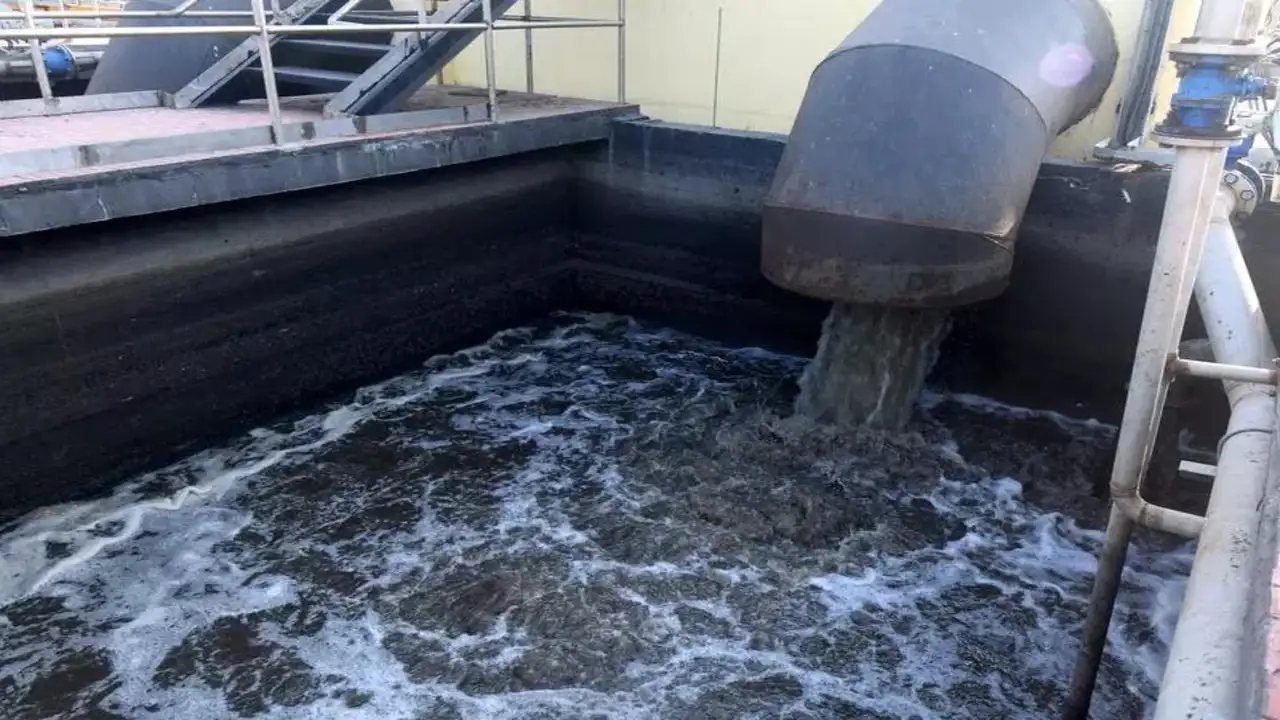
Nearly half of Mumbai’s sewage continues to flow untreated into the Arabian Sea every day, raising grave concerns for marine biodiversity, coastal livelihoods and urban resilience. According to data submitted by the Maharashtra Pollution Control Board (MPCB) before the National Green Tribunal, of the 2,814 million litres of sewage generated daily, 1,338 million litres remain untreated, directly entering the marine ecosystem.
The disclosure has intensified scrutiny of the city’s sewage treatment plants (STPs), many of which are found to be underperforming or operating in violation of national discharge standards. Officials and activists alike point out that even the largest facilities frequently release treated water containing pollutant levels several times higher than permissible limits. At the Worli STP, for instance, biochemical oxygen demand and suspended solids were found to be tenfold higher than norms, with only the Colaba facility showing partial compliance in recent monitoring cycles. MPCB’s affidavit further highlighted significant lapses at industrial clusters, with common effluent treatment plants in Tarapur reporting consistent failures. More than 60% of water samples tested from the facility breached legal limits, while testing during the monsoon revealed chemical oxygen demand levels six times above norms. Officials acknowledged that treatment infrastructure at such units is often “non-functioning or ineffective”, allowing spills to pollute surface and groundwater as far as Pasthal village, with direct repercussions on public health.
Environmental experts stress that untreated sewage is not only an ecological hazard but also compounds the vulnerability of Mumbai’s urban systems. Mangroves and estuaries, the city’s natural buffers against flooding, are being irreversibly damaged by chemical and organic pollutants. Declines in fish catch, foul odours on beaches and recurring outbreaks of waterborne diseases during monsoon months reflect the human toll of systemic neglect. Activists argue that each untreated discharge strips the city of its natural protections, leaving millions more exposed to urban flooding that already cripples infrastructure annually. Authorities, however, maintain that efforts are under way to strengthen sewage management. Municipal officials said that while the city has a treatment capacity of 2,515 million litres daily, gaps in sewer connectivity prevent full collection. Consultants have now been engaged to design diversion plans for dry-weather flow, with new sewer lines proposed under slum redevelopment and road expansion programmes. MPCB officials also emphasised ongoing checks on small-scale industrial units, insisting that regular monitoring and penalties are being imposed.
Yet the scale of untreated discharge underscores the inadequacy of current interventions. As Mumbai aspires to position itself as a global city, environmental planners warn that neglecting wastewater management will not only devastate its coastline but also stall ambitions for sustainable and equitable growth. Unless treatment plants are modernised and strict enforcement is maintained, the Arabian Sea risks turning into a permanent dumping ground for the city’s waste, with consequences that extend far beyond its shores.
Also Read : Ulhasnagar Rs 23 Crore Cement Road Blocked Over 50 Percent Due To Illegal Parking
