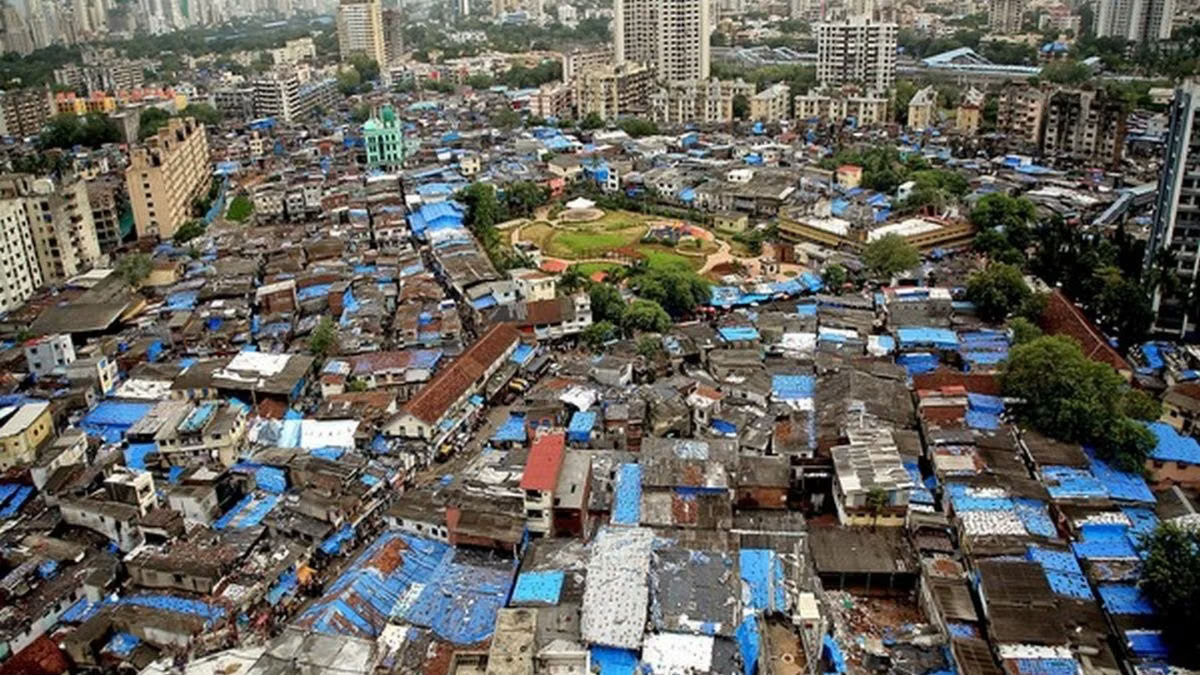
Mumbai Dharavi Redevelopment Gets Malad Land Boost
In a significant urban redevelopment move, the Maharashtra government has handed over a 118-acre land parcel in the Malad-Malvani area to support the sprawling Dharavi Redevelopment Project (DRP), opening a new chapter in rehabilitation housing for thousands of residents excluded from in-situ relocation. The land transfer is expected to expedite planning and construction of modern homes for disadvantaged communities while testing Mumbai’s capacity to balance large-scale renewal with inclusive, climate-aligned urban growth.
The parcel at Mukteshwar, part of a larger site originally spanning about 140 acres, will be developed by Navbharat Mega Developers Private Limited (NMDPL), a special purpose vehicle co-owned by the state and the Adani Group. Under the terms of the agreement, ownership remains with the Slum Rehabilitation Authority (SRA), while NMDPL holds development rights after paying a premium toward these rights.Urban housing experts describe the land allocation as pivotal for addressing a longstanding challenge in the Dharavi Redevelopment Project: providing dignified, planned housing for residents not qualifying for in-situ rehabilitation within Dharavi itself. These include residents of upper floors and those who settled between January 2011 and November 2022, groups historically left vulnerable in conventional urban renewal strategies.
The Malad allocation is the third major land parcel incorporated into the DRP’s regional rehabilitation strategy, following land at Kurla and the Jamas saltpan in Mulund. Officials say that these combined holdings — part of roughly 540 acres identified across the Mumbai Metropolitan Region (MMR) — will underpin construction of between 1.25 lakh and 1.5 lakh homes intended to resettle an estimated 10 lakh residents over a phased timeline.For municipal planners and civil society advocates, securing additional land for rehabilitation housing aligns with broader goals of equitable urbanisation, reducing pressure on congested neighbourhoods and enabling planned expansion of housing infrastructure. However, they also caution that effective execution demands careful integration with transport, utilities and climate-resilient design to avoid replicating systemic vulnerabilities in new locations. Such urban integrations — from reliable public transit to green infrastructure — are essential for creating communities that are not only affordable but also sustainable and connected.
Critics of large redevelopment projects, however, warn that clarity around eligibility criteria, transparent stakeholder engagement, and safeguards against displacement remain areas requiring vigilant oversight. Past phases of the Dharavi Redevelopment Project have faced disputes over documentation and eligibility, underscoring the complexity of balancing corporate participation with community rights in redevelopment schemes.
The Malad land transfer marks a critical milestone for the Dharavi project’s next phase, potentially accelerating construction timelines and demonstrating the state’s commitment to large-scale, inclusive housing provision. As development plans crystallise, the focus will likely shift towards ensuring that infrastructure and services for new communities are planned holistically alongside housing — a key test for sustainable, people-centred urban transformation in one of India’s most densely populated metropolitan regions.