


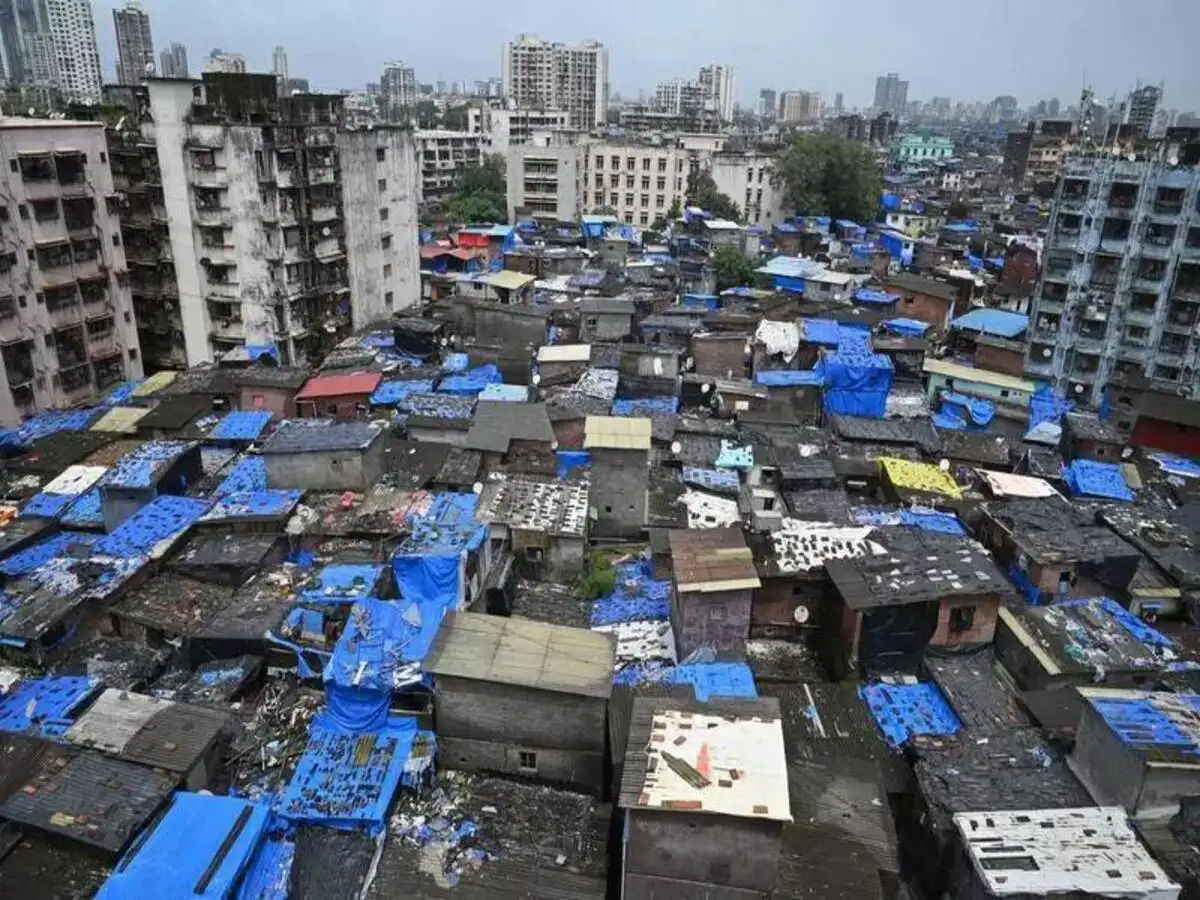
Mumbai’s ambitious Dharavi Redevelopment Project (DRP) is set for significant changes as state authorities push for a more balanced and resident-friendly approach. The updated direction calls for an equal division of Dharavi’s land between rehabilitation housing and for-sale developments, alongside an increase in the size of rental and planned residential units.
According to documents from a late-May meeting, senior state leadership instructed the DRP to enhance housing provisions for those ineligible for free rehabilitation. Rental tenements within the Dharavi notified area are to be increased to 350 sq ft, while flats in planned buildings will be expanded from 405 sq ft to 500 sq ft. These changes aim to address long-standing concerns from residents and housing rights advocates about overcrowding and quality of life. The equal split in land use—half dedicated to rehabilitation and half to commercial sale—marks a strategic shift in the redevelopment model. The approach is expected to ensure that the commercial component remains financially viable while protecting the housing rights of existing residents. Officials have also directed that the successful digital survey model used in Dharavi be extended to all slums across Mumbai, aiming for greater transparency and accuracy in redevelopment planning.
The DRP is being implemented through a special purpose vehicle (SPV), which has yet to formally receive the revised master plan. The current blueprint is based on the city’s Development Plan 2016 for Dharavi, but adjustments are now expected to incorporate the new directives. Beyond Dharavi, the state has earmarked substantial parcels of land for rental housing across Mumbai, including salt pan areas in Mulund, Bhandup, and Kanjurmarg, Kurla Dairy land, parts of the Deonar dumping ground, and revenue land in Aksai, Madh. Notably, there will be no rental housing within Dharavi’s own notified area, with eligibility extended to those who settled there after 2011 and up to November 2022.
The SPV has already announced 300 sq ft rental homes, with the government to decide rent levels. Tenants will be offered ownership rights after ten years or the option to make a one-time payment for immediate ownership. Officials note that this flexibility could help stabilise communities while generating predictable revenue streams for the project. Recent advocacy from residents of planned buildings played a key role in securing the increase to 500 sq ft homes. Housing experts say such upgrades not only improve living standards but also set a precedent for slum rehabilitation projects across the city.
If implemented effectively, the revised Dharavi redevelopment framework could become a benchmark for balancing commercial viability with equitable urban housing—ensuring that one of the world’s largest informal settlements evolves into a sustainable, inclusive, and economically resilient neighbourhood.
Also Read: Mumbai Traffic E Challans Worth Rs 1000 Crore Remain Unpaid Since 2020
