


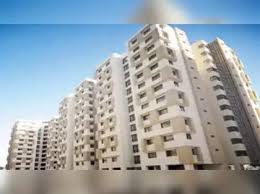
As India’s premium housing market deepens, legacy developers are discovering that entering the upper tier is less about spectacle and more about strategic restraint. Ajmera Realty & Infra India Ltd is among firms recalibrating how they present projects as they expand further into high-end residential segments.
Industry observers say luxury repositioning often begins with redefining the intended buyer. Rather than pursuing scale-driven outreach, developers targeting affluent households are narrowing communication to a smaller, more discerning audience. Messaging shifts from persuasion to precision, with emphasis on architectural authorship, privacy, and long-term value rather than unit counts or price-led incentives. For cities such as Mumbai, where land scarcity and infrastructure investment are reshaping residential geographies, the move upmarket is as much about urban context as brand identity. Premium projects increasingly anchor transit-linked corridors and waterfront districts, where buyers expect not just exclusivity but resilience, design integrity and strong governance standards. Marketing specialists tracking the sector note that luxury repositioning hinges on narrative discipline. Developments are framed less as inventory and more as curated environments. Architectural language, materials and spatial planning take centre stage. Visual communication adopts cleaner layouts, subdued palettes and material-focused imagery. The absence of overt sales messaging becomes a signal of confidence.
Equally significant is the evolution in engagement strategy. Instead of mass-market campaigns, outreach becomes relationship-led. Private previews, curated partnerships and smaller-format gatherings replace large public launches. Analysts argue that this approach mirrors global luxury norms, where scarcity and controlled visibility underpin brand perception. However, repositioning is not purely cosmetic. Real estate consultants caution that credibility in the premium segment rests heavily on delivery track record, financial transparency and post-handover asset management. Buyers in this bracket scrutinise construction quality, sustainability certifications and long-term maintenance frameworks as closely as location. In Mumbai’s climate-vulnerable landscape, high-end housing is also being evaluated through an environmental lens. Energy-efficient façades, passive cooling strategies and landscaped open areas are increasingly integrated into premium offerings. Developers that align luxury with climate responsiveness may gain reputational advantage as urban buyers become more sustainability-aware. For Ajmera Realty, the transition reflects a broader industry trend: established brands leveraging institutional history while refining perception for a more selective market. Rather than reinventing identity, the emphasis appears to be on distilling legacy strengths into a more deliberate and controlled brand voice.
As India’s affluent class expands and global design influences permeate domestic real estate, the premium segment is likely to reward consistency over flamboyance. In that environment, successful luxury repositioning may depend less on amplification and more on sustained, disciplined calibration across every touchpoint of the built environment.
Also Read: Knowledge Realty Trust files trading disclosure
Mumbai developer Ajmera Realty repositions brand
