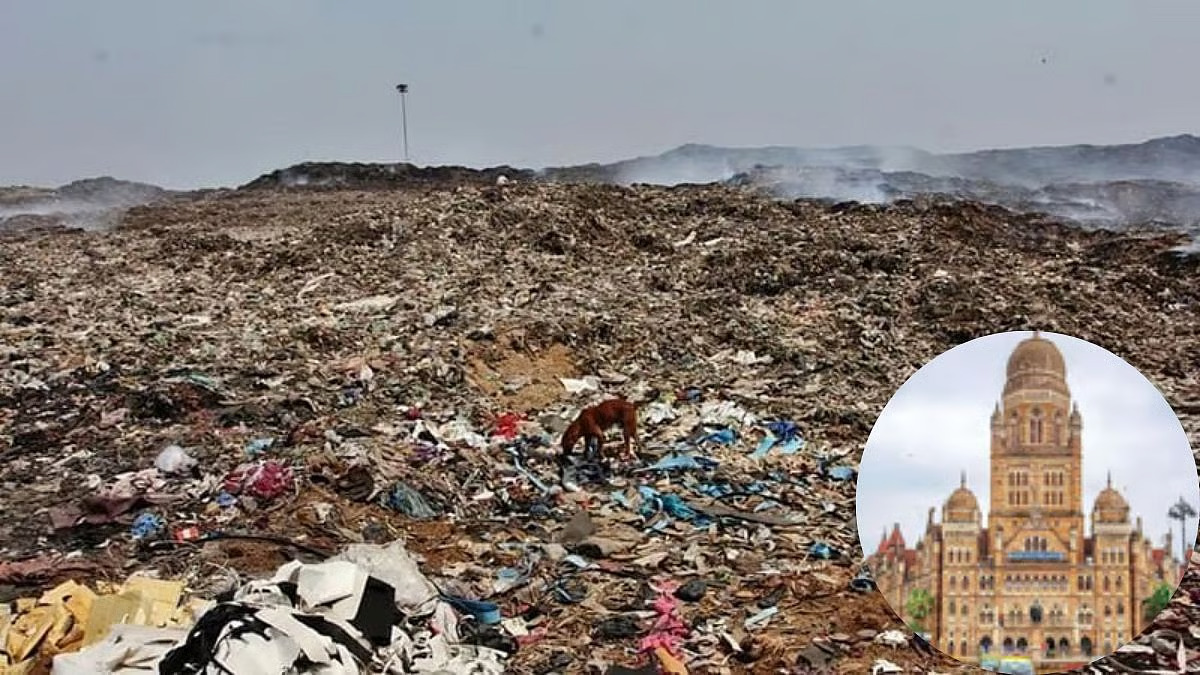
Mumbai’s long-delayed effort to scientifically process decades-old waste at the Deonar landfill has yet to move into execution, with the project awaiting critical environmental approvals despite being awarded months ago. The delay raises concerns about the pace of urban waste reform in one of India’s most densely populated metropolitan regions.
The proposed Deonar bioremediation project aims to treat massive volumes of legacy waste accumulated over decades and reclaim significant portions of land for future use. However, the site’s classification within a regulated coastal zone has necessitated multiple layers of clearance, slowing progress on what is considered one of the city’s most important environmental remediation initiatives. Civic officials indicate that approvals from key regulatory bodies, including coastal authorities, remain pending following recent technical consultations. Queries raised during the review process are currently being addressed, with final permissions expected to determine when on-ground work can begin.
The scale of the Deonar bioremediation project underscores its strategic importance. The landfill, spread across hundreds of acres, contains millions of tonnes of untreated waste, much of it deposited before modern waste management protocols were introduced. Such legacy waste not only occupies valuable urban land but also contributes to air pollution, groundwater contamination, and greenhouse gas emissions. Urban sustainability experts point out that bioremediation — a process involving scientific treatment and segregation of waste — offers a pathway to both environmental restoration and land recovery. Once processed, reclaimed land can potentially be repurposed for public infrastructure, green spaces, or other urban uses, aligning with broader goals of compact and efficient city planning.
The delay also highlights the tension between environmental safeguards and infrastructure urgency. While regulatory oversight is essential to prevent ecological harm, prolonged approval timelines can hinder projects designed to mitigate existing environmental risks. In coastal cities like Mumbai, where land scarcity and environmental vulnerability intersect, timely decision-making becomes critical. Parallel to the remediation effort, a waste-to-energy facility within the Deonar premises is nearing operational readiness. This plant is expected to convert processed waste into usable energy, forming part of an integrated approach to waste management. However, experts caution that such facilities must operate alongside robust segregation and recycling systems to achieve meaningful sustainability outcomes.
The situation reflects a broader challenge faced by Indian cities: transitioning from landfill-based waste disposal to circular waste management systems. Without timely execution of large-scale remediation projects, legacy sites continue to pose risks to public health and urban ecosystems. As authorities work towards securing the necessary approvals, the focus will shift to execution timelines and environmental compliance once the project begins. For Mumbai, the success of the Deonar initiative could serve as a benchmark for addressing similar waste burdens across the country, while also unlocking land for more productive and sustainable urban use.
Mumbai Deonar Bioremediation Project Awaits Key Clearances