


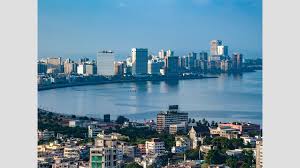
Rental values across India’s largest employment centres have climbed by as much as 25 per cent in 2025, intensifying affordability pressures and pushing sections of the workforce towards peripheral suburbs. Mumbai, Delhi, Bengaluru, Noida and Gurugram recorded the steepest increases in premium residential corridors, reflecting a convergence of rising capital values, return-to-office mandates and sustained corporate expansion.
Property consultants tracking the rental housing market say prime micro-markets in Mumbai registered growth ranging from low single digits to nearly 20 per cent over the past year. Demand for larger, amenity-rich apartments has strengthened, particularly in neighbourhoods undergoing redevelopment where temporary supply constraints have tightened availability. In Gurugram, upscale districts such as Dwarka Expressway and Golf Course Road reported rental escalation touching 25 per cent in select pockets. Executives seeking proximity to office clusters have sustained demand for luxury units, while mid-income households increasingly look beyond established sectors to manage monthly outgoings. Bengaluru saw rental increases of 18–20 per cent, supported by steady hiring in technology and global capability centres. Limited new completions in certain high-demand areas further compressed supply. In Noida, the expressway corridor recorded annual rental appreciation close to 19 per cent, even as launches in the luxury segment moderated compared to the previous year.
Delhi presents a different structural dynamic. While much of new residential construction in the National Capital Region is concentrated in Noida and Gurugram, supply constraints within city limits have elevated rental benchmarks. South and South-East districts, characterised by boutique floors and low-rise developments, posted notable year-on-year increases. Analysts link the rental housing market surge to elevated home prices, which have reduced immediate purchase affordability for many households. As ownership costs climb, tenants remain in the rental cycle longer, increasing competition for available inventory. Landlords, in turn, recalibrate expectations to preserve yields amid rising asset values. The impact extends beyond balance sheets. Longer commutes from peripheral suburbs may alter urban mobility patterns and increase transport emissions, challenging cities’ sustainability goals. Transit-oriented development housing near metro lines and employment hubs could help moderate these pressures, but supply remains uneven. Industry observers expect rental growth to remain firm into 2026, particularly in established corridors with strong connectivity. Without a meaningful uptick in mid-income housing supply or rental policy innovation, affordability constraints may deepen.
For India’s rapidly urbanising metros, the rental housing market is emerging as a barometer of economic activity and workforce mobility. Managing this cycle will require coordinated planning linking infrastructure, housing approvals and inclusive policy measures to ensure that urban expansion remains both economically productive and socially balanced.
Also Read: Vasai township delivers EWS homes
Mumbai Delhi rents push outward shift
