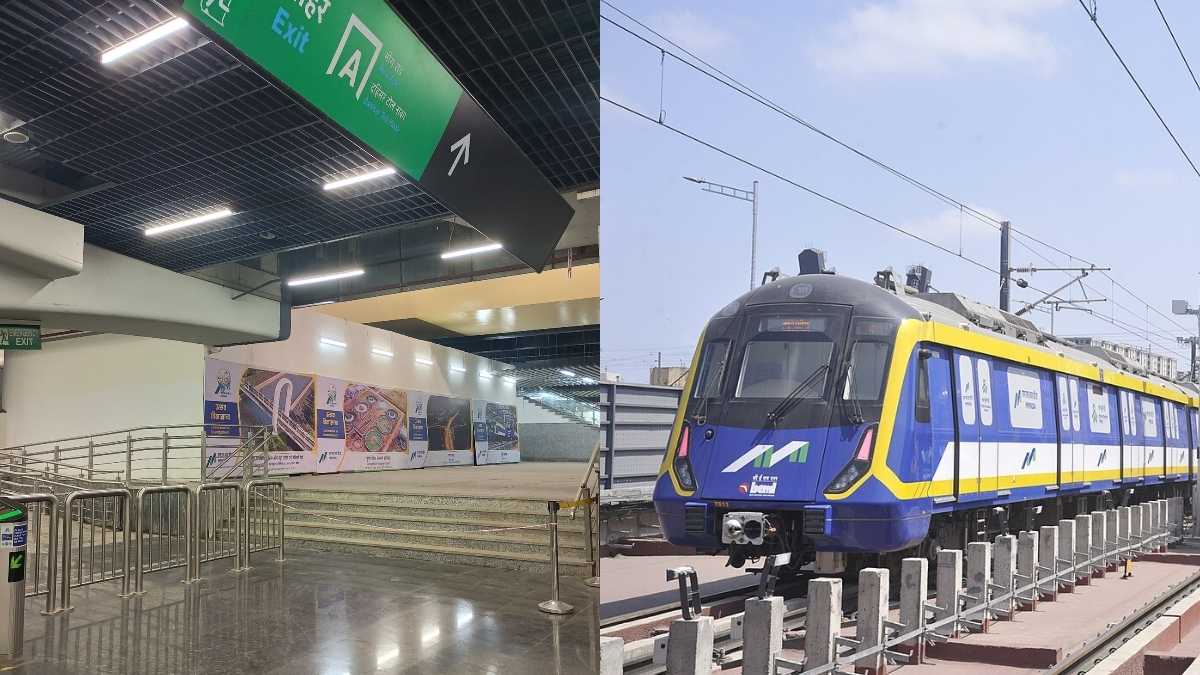
Mumbai’s suburban transit network has taken a significant operational step with the opening of the Dahisar East Metro interchange, marking the city’s first fully integrated paid-area transfer between metro corridors. The new facility, located in the northern suburbs, allows passengers to move between lines without exiting fare-controlled zones, a change expected to materially reduce transfer times and crowding at station entry points.
The interchange links three critical sections of the Mumbai Metro system: the east–west corridor in the western suburbs, the north–south stretch serving Andheri and beyond, and the first operational segment of the extended northern line towards Mira Bhayandar. Transport planners say this configuration addresses a long-standing gap in suburban connectivity, where commuters were often forced to rely on congested roads or multiple ticketed transfers to complete relatively short journeys. For daily commuters, particularly those travelling between Mira Road, Dahisar, and Andheri, the impact is expected to be immediate. Current peak-hour travel on arterial roads such as the Western Express Highway routinely exceeds 90 minutes. With the Dahisar East Metro interchange now functional, transit officials estimate end-to-end metro travel times could drop by nearly half, easing pressure on road infrastructure that has struggled to keep pace with population growth.
Urban mobility experts note that the introduction of a paid-area interchange is not merely a convenience feature but an operational efficiency upgrade. By allowing passengers to switch lines without re-screening or revalidation, station dwell times are reduced, passenger circulation improves, and congestion at fare gates is minimised. This design approach is common in mature metro systems globally and is increasingly seen as essential for high-density cities like Mumbai. The interchange is also strategically important for the northern expansion of the metro network. With the first phase of the extended corridor now commissioned following statutory safety clearances, residents of fast-growing peripheral areas gain direct rail access to employment hubs in the western and eastern suburbs. Industry observers say this could gradually influence commuting patterns, housing demand, and commercial development along the corridor, reducing dependence on private vehicles.
From a sustainability perspective, improved metro integration supports Mumbai’s broader goals of lowering transport-related emissions and improving air quality. Shifting a portion of long-distance suburban commuters from road-based transport to electric mass transit can deliver cumulative climate and public health benefits, particularly in high-traffic zones near toll plazas and highway junctions. However, planners caution that the full benefits of the Dahisar East Metro interchange will depend on network completion and service reliability. Future links to the airport and other metro lines are expected to further strengthen the system, creating a more resilient and inclusive urban transport grid. As Mumbai continues to expand outward, projects like this interchange highlight how targeted operational upgrades rather than only new lines can play a decisive role in shaping a more efficient, people-first metropolitan transit system.
Mumbai Dahisar East Metro Interchange Opens