


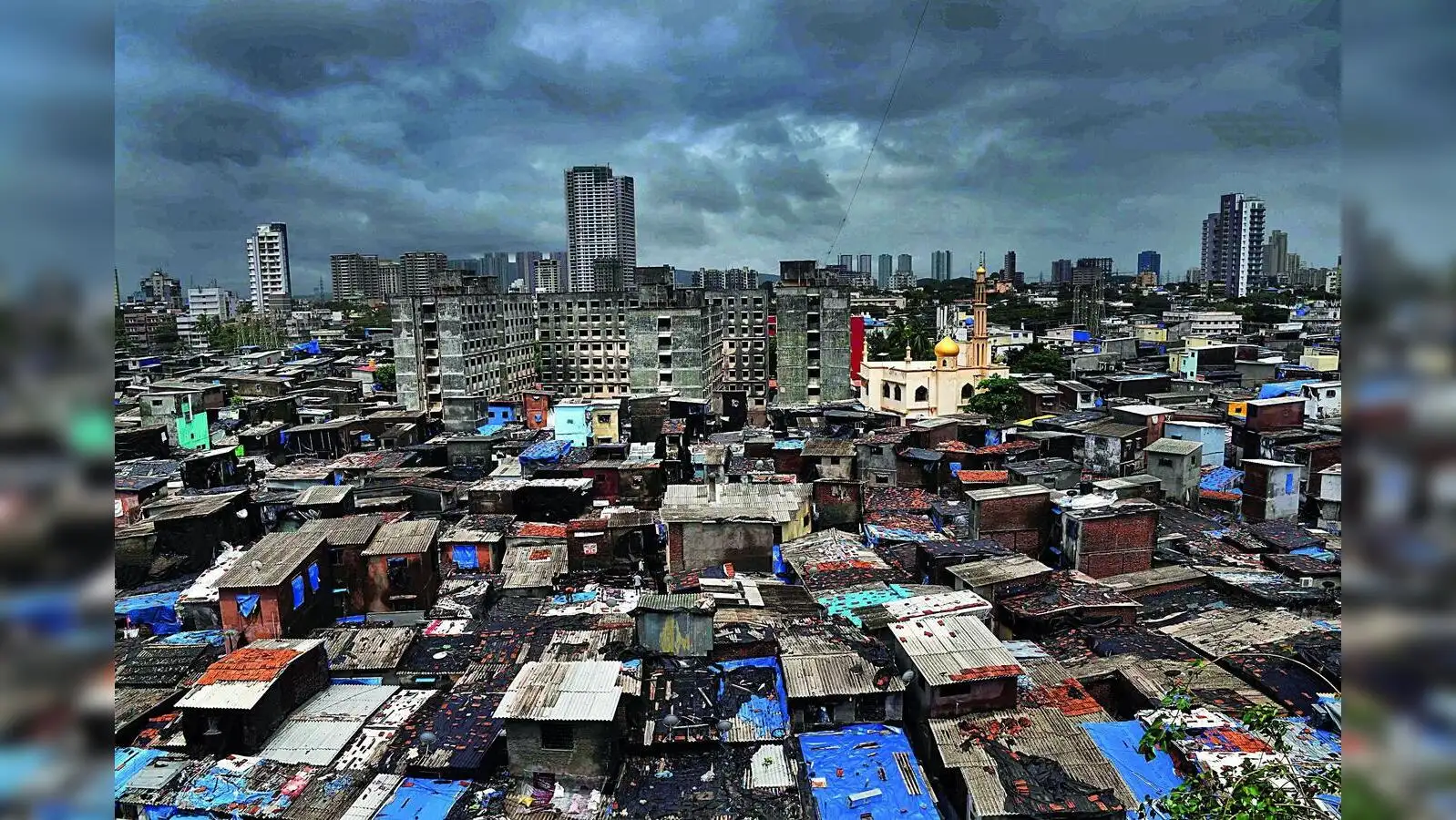
Mumbai’s civic administration has issued a formal warning to a contractor involved in the Dharavi Redevelopment Project after inspectors reported multiple violations of air pollution control measures at a construction site in Matunga. The development, currently being executed by Nav Bharat Mega Developers Pvt Ltd, has come under official scrutiny at a time when Mumbai’s worsening air quality has elevated public sensitivity to construction-linked emissions.
According to senior municipal officials, an environmental monitoring team conducted a routine inspection earlier this week and identified several compliance failures. Missing dust screens, lack of air quality monitoring displays, inadequate washing facilities for construction vehicles and absence of dust-suppression or extraction systems were among the issues flagged. Residents in adjacent neighbourhoods had reportedly complained of persistent dust plumes and irritation linked to particulate matter dispersal. A civic official familiar with the inspection said the warning is part of the administration’s “zero-tolerance approach toward avoidable air pollution”. The letter issued to the developer has directed immediate corrective actions and has cautioned that non-compliance may result in suspension of construction and withdrawal of permissions.
A follow-up inspection is expected within a week. Mumbai has stepped up its regulatory oversight of construction emissions over the past year as the city’s AQI repeatedly entered unhealthy ranges, particularly during winter months when atmospheric dispersion weakens. The Brihanmumbai Municipal Corporation (BMC) has previously issued stop-work notices to dozens of large public and private development sites, citing the need to balance growth with environmental responsibility. Urban policy observers say the Dharavi redevelopment carries heightened scrutiny because of its scale and proximity to densely populated residential precincts. “Major redevelopment projects cannot operate with outdated environmental practices.
Dust control, waste management and air quality transparency must be treated as core compliance, not optional safeguards,” said a sustainability consultant working with infrastructure firms. Public health experts warn that prolonged exposure to fine particulate dust can exacerbate asthma, respiratory illness and cardiovascular risk — particularly in low-income neighbourhoods where healthcare infrastructure and indoor ventilation remain constrained. As Mumbai accelerates redevelopment, transport expansion and climate resilience upgrades, ensuring compliance with air-quality safety norms is increasingly viewed as part of building equitable, future-ready cities.
The warning to the Matunga site may serve as a precedent for other developers. Stakeholders note that rigorous enforcement, clear communication and accountability will be critical if Indian cities are to transition toward cleaner construction practices without slowing essential urban renewal.
Also Read: BMC Alerts Residents About 18 Hour Water Cut Kandivali Borivali on December 4-5
Mumbai Cracks Down On Dust Violations At Dharavi Project, Threatens Work Suspension
