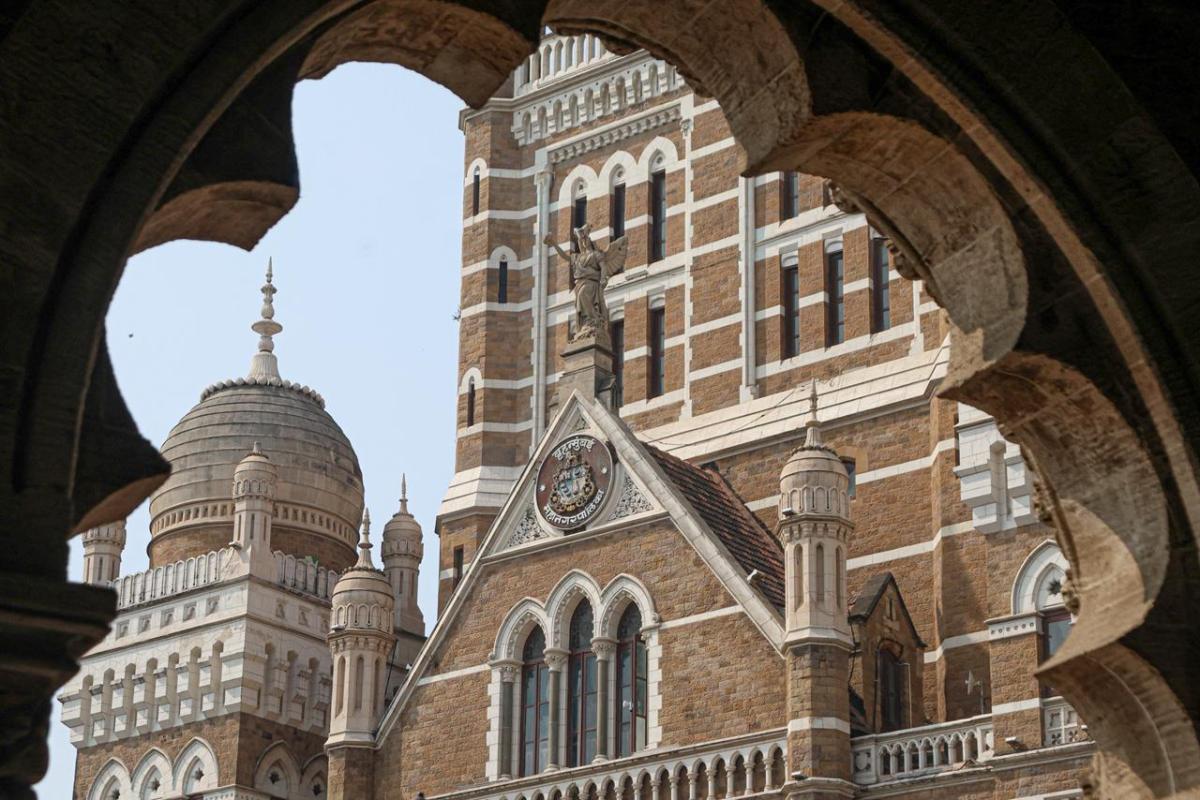
A judicial directive in Mumbai is pushing authorities to examine advanced international waste treatment systems as part of efforts to transform the city’s largest landfill site at Kanjurmarg. The move signals growing pressure on civic agencies to modernise waste management practices and reduce the environmental burden of large dumping grounds in one of India’s most densely populated urban regions.
A division bench of the Bombay High Court recently instructed a monitoring panel overseeing landfill reforms to conduct technical visits to modern waste-processing facilities in the United Arab Emirates, China and Japan. The study tour is expected to help authorities evaluate proven technologies and operational systems that could be adapted to improve waste handling at the Kanjurmarg site. The directive forms part of ongoing judicial oversight of the sprawling landfill operated by the Brihanmumbai Municipal Corporation, which has faced persistent complaints over air pollution, odour, and environmental impacts affecting nearby residential areas.
Urban infrastructure experts say the decision reflects a broader shift toward adopting international best practices in waste treatment, including waste-to-energy systems, advanced incineration technology, and integrated recycling processes. Cities such as Dubai, Shenzhen and Tokyo operate highly automated plants designed to minimise landfill dependency while recovering energy or materials from municipal waste streams. Members of the panel — comprising legal representatives, government officials and technical experts — are expected to examine three prominent facilities: the Dubai Waste Management Centre in Warsan, a large-scale waste-to-energy facility in Shenzhen, and Tokyo’s network of high-efficiency municipal incineration plants. These systems are widely cited for their ability to handle high volumes of urban waste while maintaining strict environmental standards.
Urban planners note that Mumbai’s waste challenge is intensifying as population growth and consumption patterns generate increasing volumes of solid waste. The Kanjurmarg landfill, one of the city’s key disposal sites, receives thousands of tonnes of garbage daily, placing enormous pressure on municipal infrastructure and surrounding communities. In addition to recommending international study visits, the court emphasised the need for the municipal corporation to establish a permanent technical unit dedicated to landfill management. According to officials familiar with the proceedings, such a unit would continuously monitor waste treatment operations, track environmental indicators, and ensure compliance with pollution control norms.
Environmental policy experts argue that specialised technical teams are critical for cities managing complex waste ecosystems. Continuous oversight helps improve operational efficiency, detect emissions issues early, and implement engineering solutions that reduce landfill odour, methane emissions and groundwater contamination. The court also highlighted the importance of protecting residents living near waste disposal sites, noting that poor landfill management can significantly affect urban air quality and public health. Rapidly growing cities across Asia are increasingly being forced to confront the social and environmental costs of legacy dumping grounds created decades ago.
For Mumbai, the global study initiative could shape the next phase of Kanjurmarg waste management reforms. Urban governance specialists say the findings may guide future investments in waste processing infrastructure, helping the city transition from landfill-dependent disposal to cleaner, technology-driven systems aligned with sustainable urban development goals.
Mumbai Court Pushes Global Study For Kanjurmarg Waste Reform