Mumbai Considers Healthy Air Zones To Curb Urban Pollution
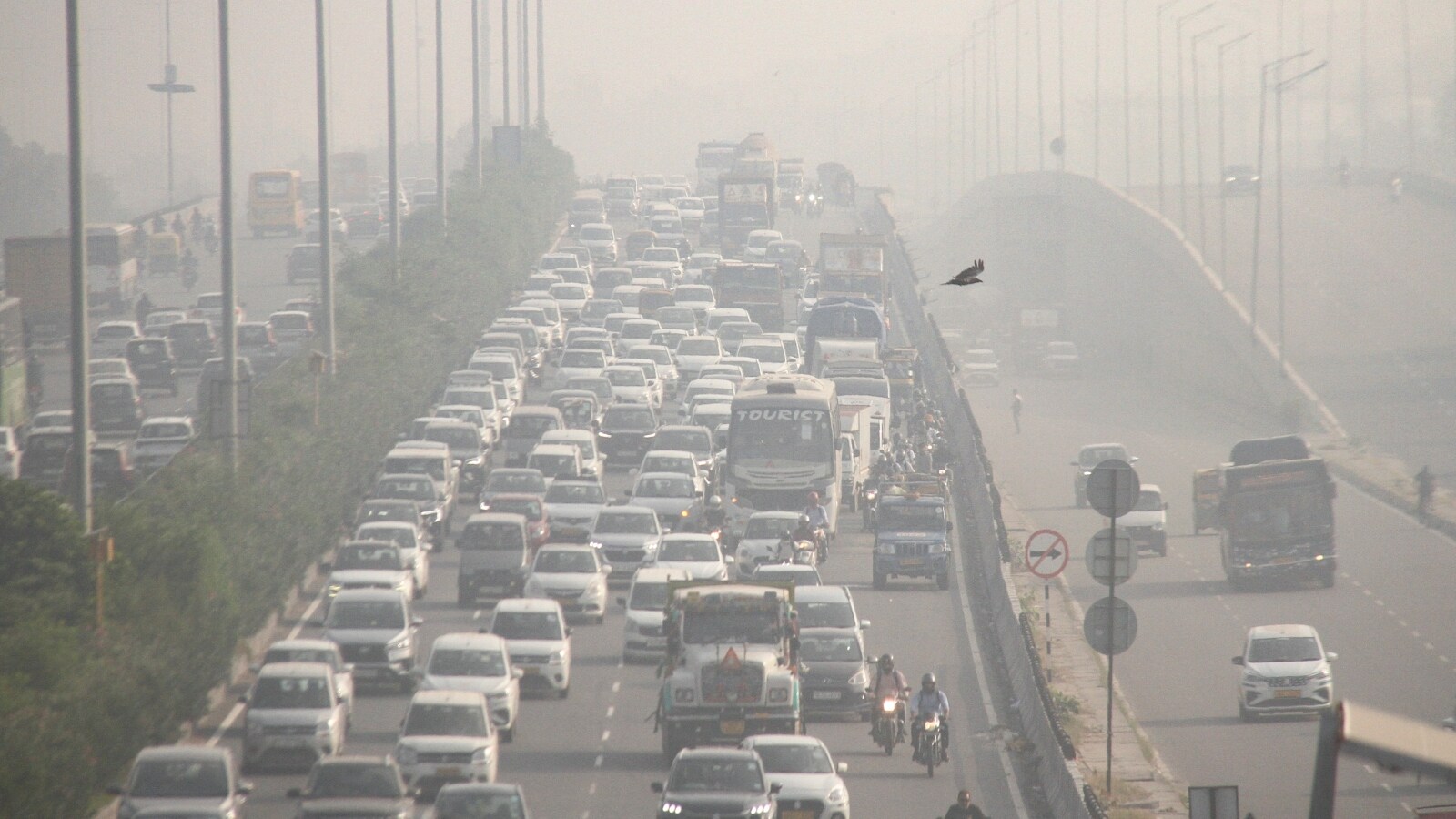
Mumbai planners and environmentalists are increasingly interested in adopting Healthy Air Zones, a targeted air-pollution control model that has shown promise in cities abroad, as part of the city’s strategy to improve its chronic air quality challenges. The concept, which limits polluting activities in specific urban corridors and bolsters environmental monitoring, is gaining traction amid growing public concern over respiratory health and visibility in the metropolitan region.
As India’s largest metropolitan economy continues to grow, dense traffic, construction dust and emissions from industrial and domestic sources have kept particulate levels elevated much of the year. While recent short-term weather patterns have seen Mumbai’s Air Quality Index (AQI) dip into the ‘good’ and ‘moderate’ ranges, pockets of the city still record unhealthy air, especially near busy transport routes and industrial zones.Healthy Air Zones — inspired by initiatives that restrict private vehicle access near sensitive sites and enforce stricter emissions criteria — offer a framework tailored to local conditions. In Agra, vehicle curbs around heritage monuments have cut pollution peaks, while corridor-based interventions in cities such as Bogotá have combined traffic management with real-time air quality surveillance.Mumbai’s unique coastal geography generally helps disperse pollutants more effectively than in land-locked cities, but seasonal wind shifts and construction activity can trap particulates, raising PM2.5 and PM10 concentrations beyond safe thresholds. Even when the city’s average AQI readings improve, vulnerable communities in congested neighbourhoods may still experience harmful exposure.
Urban planners say Healthy Air Zones could work as part of a broader Clean Air Action Plan, complementing existing measures such as stricter construction site controls, vehicle emissions testing and expanded green buffers near residential districts. Designated zones could involve staggered traffic restrictions, priority lanes for low-emission vehicles and enhanced monitoring linked to public health advisories.A senior metropolitan environmental expert notes that effective implementation will depend on real-time data, cross-agency coordination and robust community engagement. “Air quality isn’t just a scientific metric — it’s a lived experience for urban residents,” the expert said, pointing to the need for accessible, transparent monitoring that informs not just regulators but everyday citizens.Public health advocates also argue that Healthy Air Zones must prioritise equity. Lower-income communities often sit adjacent to highways or industrial estates and bear a disproportionate burden of air pollution despite having less access to healthcare or personal protective technologies such as air purifiers.
Municipal authorities are reportedly studying pilot options for clean-air corridors in densely populated wards, integrating air quality data with traffic flow and land-use planning. They are also reviewing successful international case studies to adapt zoning and enforcement mechanisms to Mumbai’s complex socio-economic tapestry.While Healthy Air Zones are not a panacea, they represent a pragmatic entry point for reshaping how cities manage urban air — shifting from episodic interventions to geographically tailored, data-informed strategies. If integrated with broader sustainability and mobility plans, such zones could contribute to longer-term improvements in urban public health and environmental resilience.