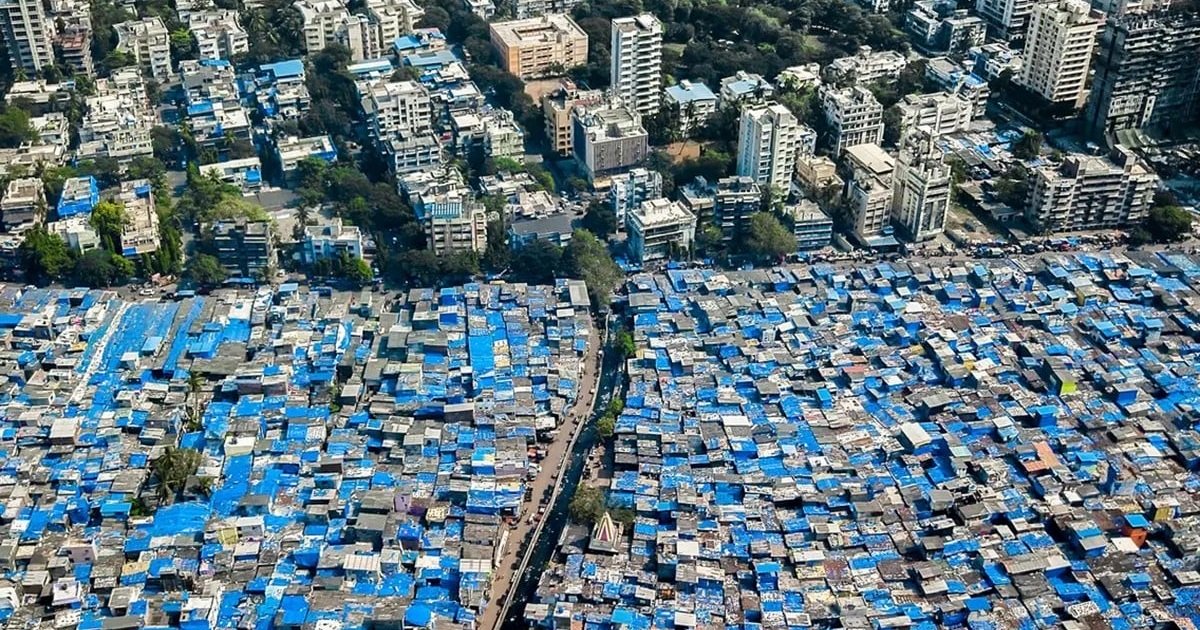
Mumbai Completes Over 2500 Slum Rehabilitation Projects
Mumbai has marked a significant milestone in urban housing with the completion of 2,545 slum rehabilitation projects (SRAs) over the last three decades, reflecting a steady yet accelerating pace of formalising informal settlements. Nearly 18% of these projects were finalised in the five years following the COVID-19 pandemic, highlighting a renewed push in city planning and housing delivery amidst public health and economic recovery challenges.
These projects have collectively enabled close to 2.84 lakh slum-dwelling families to move into formal housing, according to the latest state economic data. In Thane, for instance, all 51 rehabilitation initiatives under the scheme have concluded, benefitting over 7,800 households. Urban planning experts note that such interventions not only address housing shortages but also form the backbone of inclusive and climate-resilient city strategies by replacing unplanned, high-risk settlements with structured, serviced communities.
The Slum Rehabilitation Authority (SRA), established in 1995, remains the principal framework for these initiatives in Maharashtra. The agency operates through a public-private model, allowing developers to provide free housing to eligible slum dwellers while leveraging additional construction rights to finance projects. Analysts observe that this mechanism encourages private investment in social housing but stresses the need for rigorous compliance to ensure equitable outcomes, particularly in areas prone to flooding and climate vulnerabilities. Complementing SRA efforts, state agencies such as the Maharashtra Housing and Area Development Authority (MHADA) and the City Industrial Development Corporation (CIDCO) continue to expand affordable housing portfolios. MHADA has delivered over 5.27 lakh units since 1977, while CIDCO has contributed 2.30 lakh units through planned development programmes. These structured interventions are critical in decongesting Mumbai’s urban core and promoting sustainable growth.
At the federal level, the Pradhan Mantri Awas Yojana (PMAY) programme has facilitated the sanctioning of 10.15 lakh dwelling units in Maharashtra, with 8.75 lakh completed. PMAY-Urban 2.0 has additionally registered 3.21 lakh beneficiaries in the state, reinforcing national efforts to bridge the housing gap for urban poor and middle-class households. Financial disbursements under the programme have already exceeded ₹246 crore, signalling active implementation of public-private partnerships in urban housing. Urban economists and planners highlight that these achievements have wider implications: well-planned slum rehabilitation reduces vulnerability to climate shocks, improves civic infrastructure, and strengthens local economic resilience. Looking ahead, sustained monitoring, community engagement, and integration with city infrastructure networks will be critical to ensure that Mumbai’s redevelopment programmes deliver long-term social and environmental benefits while supporting inclusive economic growth.