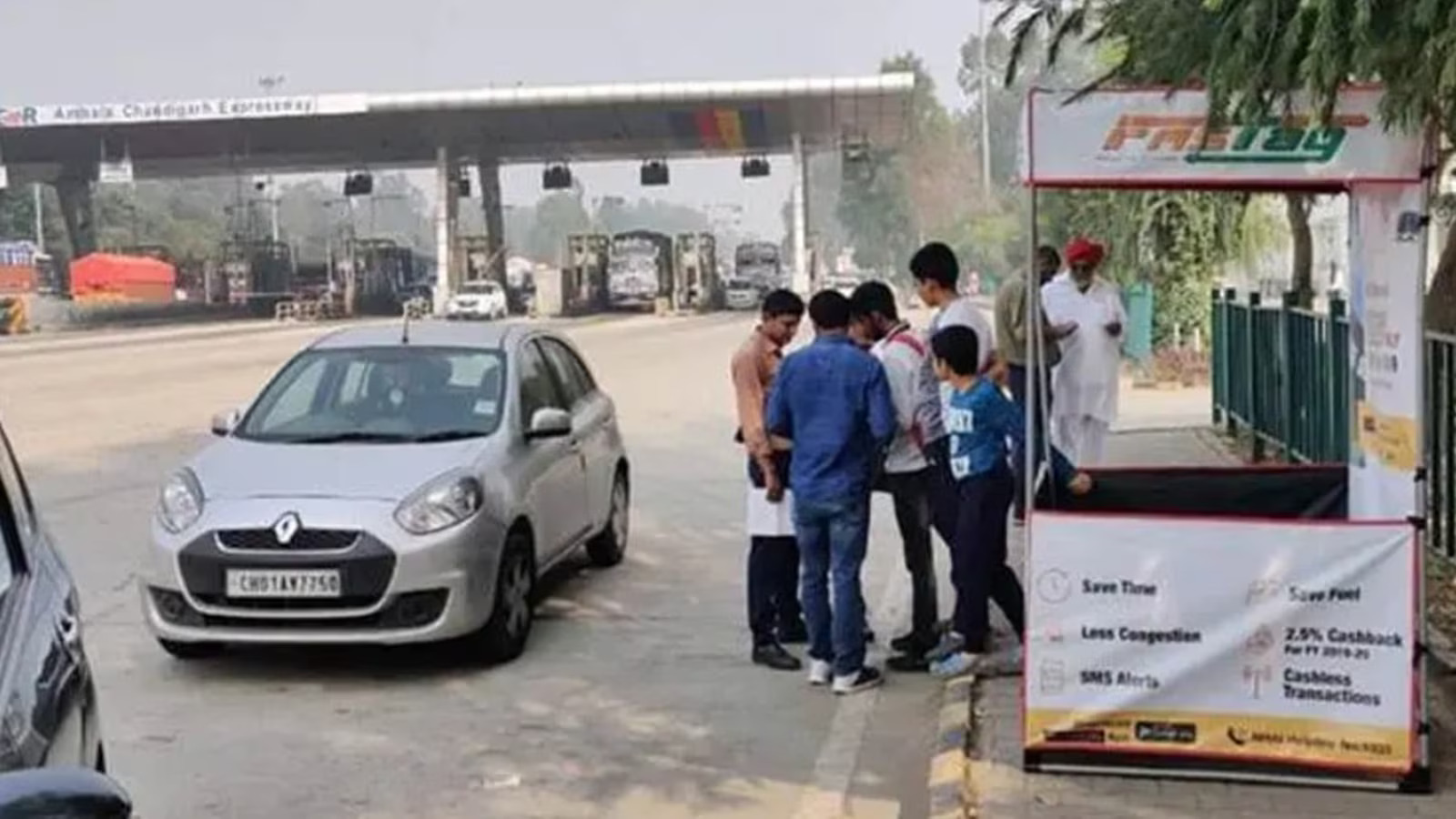
The National Highways Authority of India’s (NHAI) new FASTag Annual Pass, envisioned as a cost-saving solution for frequent travellers, is facing significant scrutiny for its limited applicability on major urban toll roads. The scheme’s exclusion of key city-managed expressways and bridges, particularly in bustling metropolitan areas like Mumbai, has sparked a debate on its real-world utility for daily commuters. Experts and transport analysts are raising concerns that a fragmented tolling system hinders a seamless, eco-friendly, and equitable urban transport network.
The newly launched pass, priced at a one-time fee of ₹3,000 for up to 200 trips over a year, is a welcome initiative. However, a recent viral social media critique highlighted a major flaw: the pass is exclusively valid on highways and expressways under NHAI’s direct jurisdiction. This has left out several high-traffic, state-operated routes that are a crucial part of daily commutes. For instance, the Bandra-Worli Sea Link and the Atal Setu, both vital arteries for Mumbai’s commuters, are not covered under the scheme as they fall under state-level administration.
This jurisdictional hurdle is the primary reason for the scheme’s limited urban scope. While the NHAI manages and funds a vast network of national highways, state governments operate their own road development corporations, each with independent tolling structures and contractual agreements with private concessionaires. Consequently, a unified, nationwide pass remains elusive. This fragmented approach forces commuters to juggle separate payment systems and passes, a stark contrast to the vision of a seamless, inter-operable digital payment framework for transport. For a city like Mumbai, where daily expenses on state-managed toll bridges can run into thousands of rupees a month, the pass offers no relief.
The implications of this infrastructural divide extend beyond mere financial inconvenience. A truly sustainable and equitable city relies on a unified transport system that is accessible to all, irrespective of gender or socioeconomic background. The current pass, by providing savings only to inter-state travellers on national highways, creates an imbalance. It neglects the daily struggles of urban commuters who face the most severe traffic congestion and are a major source of urban carbon emissions. A holistic solution would encourage all drivers to use efficient, tolled expressways, thereby reducing idling time, fuel consumption, and the city’s overall carbon footprint.
While the pass offers a clear advantage for long-distance drivers on routes like the Mumbai-Nashik Expressway or the Ahmedabad-Vadodara Expressway, its lack of urban coverage diminishes its potential as a national, citizen-centric initiative. As transport analysts and commuters continue to advocate for a more integrated system, the hope remains that state governments will eventually collaborate with central authorities to create a truly unified and beneficial pass that serves the larger interest of a modern, eco-friendly, and equitable India.