Mumbai rains, Mumbai weather, local trains Mumbai, BEST buses Mumbai, IMD weather alert, Mumbai transport, heavy rainfall Maharashtra, urban resilience
Mumbai’s long spell of torrential rains appeared to ease on Thursday, bringing some respite to a city that had been battered by nearly 300 mm of downpour in just 24 hours earlier this week. Clearer skies in the morning allowed residents to step out with fewer disruptions, even as weather authorities maintained a yellow alert for the region. The India Meteorological Department (IMD) projected a gradual reduction in rainfall activity across Mumbai, Konkan, and Madhya Maharashtra over the next three days.
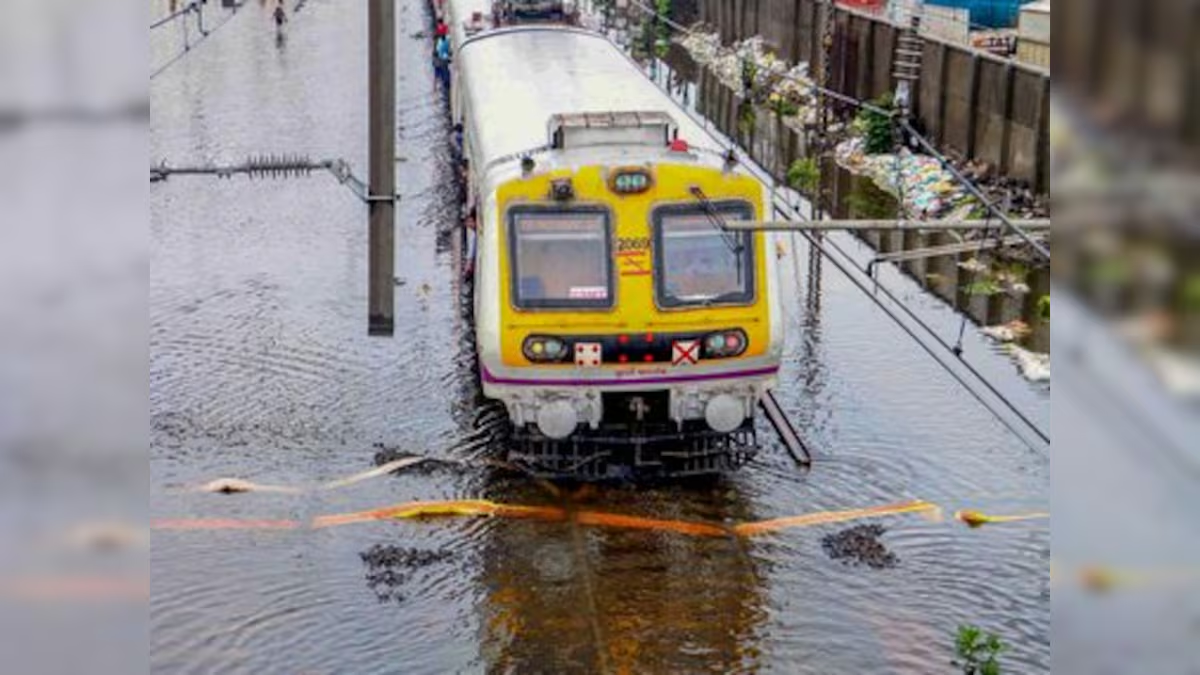
The easing of conditions offered breathing space for essential city services. Suburban train networks on both Central and Western Railway corridors, which had suffered delays and cancellations during the peak downpour, reported smoother operations by Thursday morning. Although a few services on the Vasai–Diva and Boisar routes were withdrawn as a precaution, officials said most local trains were back on schedule. The Brihanmumbai Electric Supply and Transport (BEST) buses, which serve as the city’s backbone during weather emergencies, were also functioning without significant interruptions.
City administrators emphasised that the disaster management machinery remains on high alert. Teams from the National Disaster Response Force (NDRF) and State Disaster Response Force (SDRF) continue to be deployed in vulnerable zones to assist with evacuation or rescue if required. Authorities reiterated that waterlogging-prone areas and low-lying settlements are being monitored, while pumps and stormwater drains are being operated to minimise disruption to daily life. Experts argue that while immediate relief is welcome, the recurring pattern of extreme rainfall highlights structural weaknesses in Mumbai’s urban planning. The combination of shrinking open spaces, rapid concretisation, and a fragile drainage system exacerbates the impact of intense showers, leaving large sections of the city vulnerable to flooding. Climate scientists warn that such extreme weather events are becoming more frequent due to changing monsoon patterns and rising sea levels, demanding a shift toward sustainable and climate-resilient infrastructure.
The administration has in recent years invested heavily in stormwater drainage upgrades and pumping stations, yet many projects remain incomplete. Civic planners point out that long-term resilience will require not just engineering fixes but also ecosystem restoration, including rejuvenation of lakes, mangroves, and wetlands that naturally absorb floodwaters. For a coastal metropolis like Mumbai, balancing growth with ecological safeguards is increasingly being seen as a necessity rather than an option. For now, the return of blue skies has allowed the city to resume its rhythm, with officegoers, students, and daily wage workers returning to their routines. Yet the downpour serves as a reminder that Mumbai’s battle against climate-induced extremes will need consistent investment, community preparedness, and urban strategies that put sustainability at the core of development.