


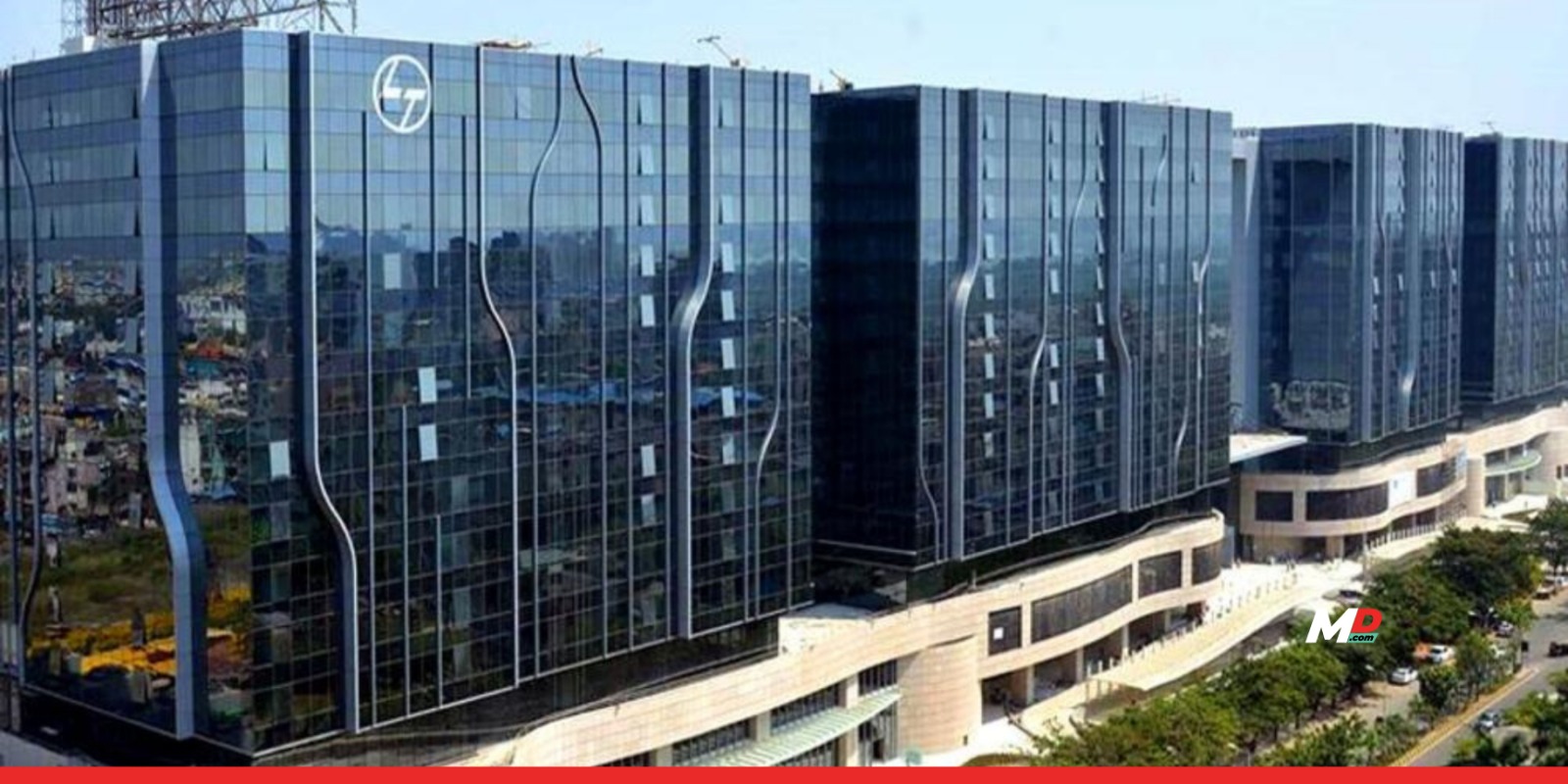
India’s two largest commercial property markets entered 2025 on sharply different footing from previous years, as new office construction slowed in Delhi-NCR and Mumbai even while demand for quality workspaces remained resilient. Industry data reviewed by Urban Acres indicates that fresh office completions declined significantly in both regions, tightening vacancy levels and reshaping how cities accommodate economic growth.
In Delhi-NCR, new office supply fell by about 15 per cent year-on-year, while Mumbai recorded an even steeper contraction of nearly 37 per cent. This slowdown occurred despite continued expansion by technology companies, financial institutions and overseas firms setting up India-focused operations. Urban economists say the imbalance between supply and demand marks a structural shift rather than a temporary pause. Across India’s major cities, office leasing activity remained strong through 2025, driven largely by technology services, banking and financial firms, and multinational enterprises establishing global capability centres. These occupiers typically seek large, energy-efficient campuses with robust digital infrastructure and access to skilled talent pools. With fewer new projects coming online in Mumbai and Delhi-NCR, tenants increasingly competed for high-quality, well-located buildings. In Delhi-NCR, new additions dropped to roughly 7.4 million square feet, compared to higher levels seen a year earlier. Market observers attribute the slowdown to a combination of cautious capital deployment, longer approval timelines and developers prioritising project completion over aggressive expansion. Parts of Gurugram and Noida continued to attract leasing interest, but limited fresh stock constrained choices for large occupiers.
Mumbai’s sharper decline reflects a different challenge: land scarcity and redevelopment complexities. The city’s commercial growth is increasingly dependent on brownfield redevelopment rather than greenfield expansion. While this supports compact, transit-oriented development, it also lengthens construction cycles and reduces the pace at which new office space reaches the market. As a result, vacancy levels in prime business districts tightened further. From an urban perspective, the supply-demand gap has mixed implications. On one hand, lower vacancies and stable rentals strengthen the financial viability of commercial projects and encourage better building quality. On the other, planners warn that prolonged undersupply could push firms to peripheral locations, increasing commute distances and carbon emissions if not aligned with public transport networks. Urban policy specialists emphasise that future office development must integrate sustainability goals, including energy-efficient design, adaptive reuse of existing buildings and improved last-mile connectivity. With hybrid work models stabilising, demand is also shifting towards flexible, well-ventilated spaces that prioritise employee well-being over sheer scale.
Looking ahead, industry watchers expect office construction to gradually recover, but with a sharper focus on quality, sustainability and location efficiency. For Delhi-NCR and Mumbai, the challenge will be to balance commercial growth with infrastructure capacity and climate resilience ensuring that the next wave of offices supports both economic competitiveness and more liveable cities.
Also Read: Mumbai Andheri East Fuels Redevelopment Housing Momentum
