


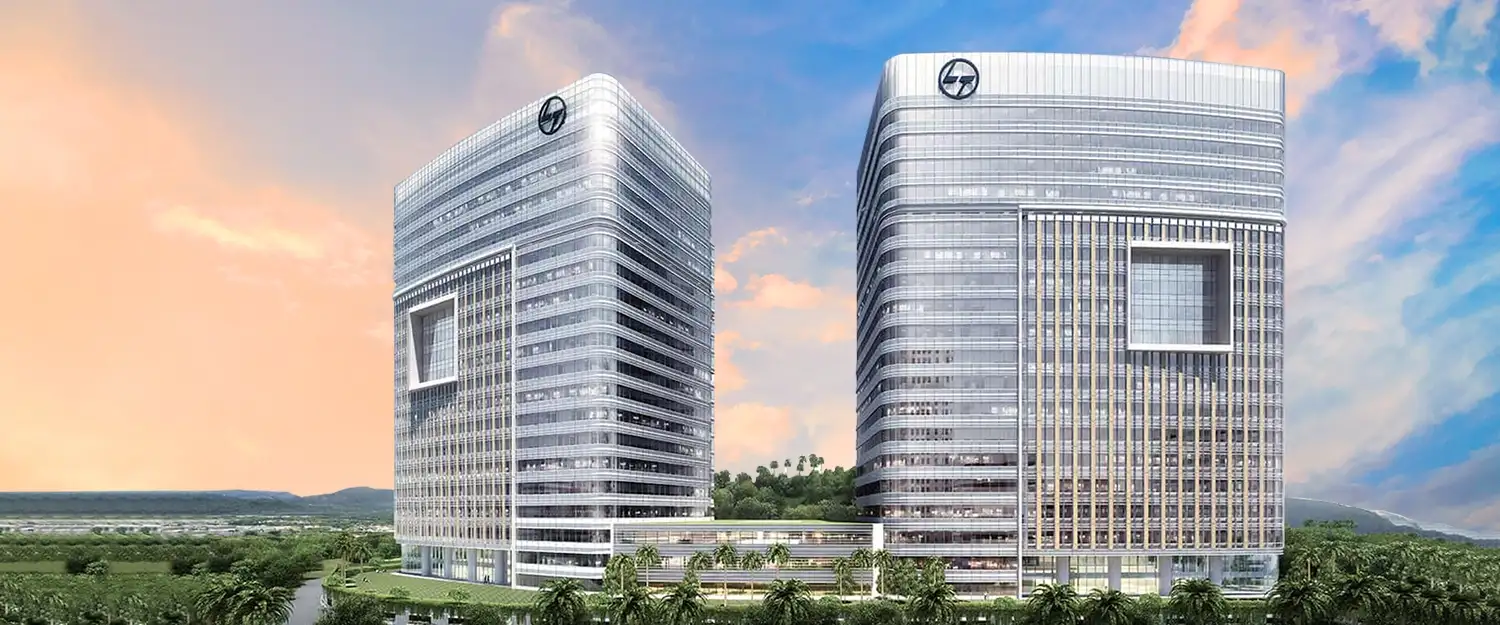
Mumbai’s Powai micro-market has added another high-value corporate tenant, underlining the suburb’s growing role in the city’s evolving office geography. A global financial services captive has taken on over 1.1 lakh square feet of Grade A office space in the area under a long-term lease, committing to a monthly rental outgo of about Rs 1.4 crore. The transaction reflects sustained confidence in Mumbai’s decentralised business districts at a time when occupiers are reassessing space needs and location efficiency.
The leased premises are spread across upper floors of a commercial tower developed by a hospitality-led real estate firm, with the agreement formally registered in late December. The lease tenure runs for more than a decade, with a multi-year lock-in period and structured rental escalations built in. Market participants say such long commitments point to operational consolidation rather than speculative expansion, particularly among global capability centres serving banking, technology and analytics functions. At a quoted rental close to Rs 130 per square foot per month, excluding maintenance charges, the deal positions Powai competitively against traditional business districts such as Bandra-Kurla Complex while offering larger contiguous floor plates. Real estate consultants note that this pricing balance is attracting firms seeking modern infrastructure without the congestion and cost pressures of South Mumbai’s core commercial zones. The transaction is part of a broader pattern of large-scale leasing activity in Powai over the past year. Multiple multinational firms in financial services, consulting and ratings have secured significant office footprints in the locality, signalling a clustering effect. Urban economists observe that such clustering supports shorter commutes for employees living in the eastern and central suburbs, potentially reducing daily travel emissions and pressure on overloaded transport corridors.
Powai’s appeal is closely linked to its urban form. The area combines office towers with established residential neighbourhoods, educational institutions and retail hubs, creating a relatively walkable ecosystem by Mumbai standards. Connectivity through arterial roads and proximity to the international airport further strengthen its position as a middle-ground business district between the eastern suburbs and the western employment belts. From an infrastructure perspective, sustained leasing at this scale raises questions around civic capacity. Urban planners point out that while private developments in Powai have largely kept pace with corporate demand, long-term resilience will depend on water management, last-mile public transport and pedestrian infrastructure. The growing daytime population places additional responsibility on local authorities to ensure that growth remains liveable and inclusive.
As Mumbai’s office market continues to decentralise, deals of this nature suggest that companies are prioritising stability, efficiency and employee access over symbolic addresses. For the city, the challenge ahead lies in aligning commercial growth with climate resilience and equitable urban services ensuring that business districts like Powai mature as integrated, people-first environments rather than isolated corporate enclaves.
Also Read: Bengaluru Housing Prices Reset Middle Class Entry
Mumbai Commercial Leasing Highlights Powai Momentum
