


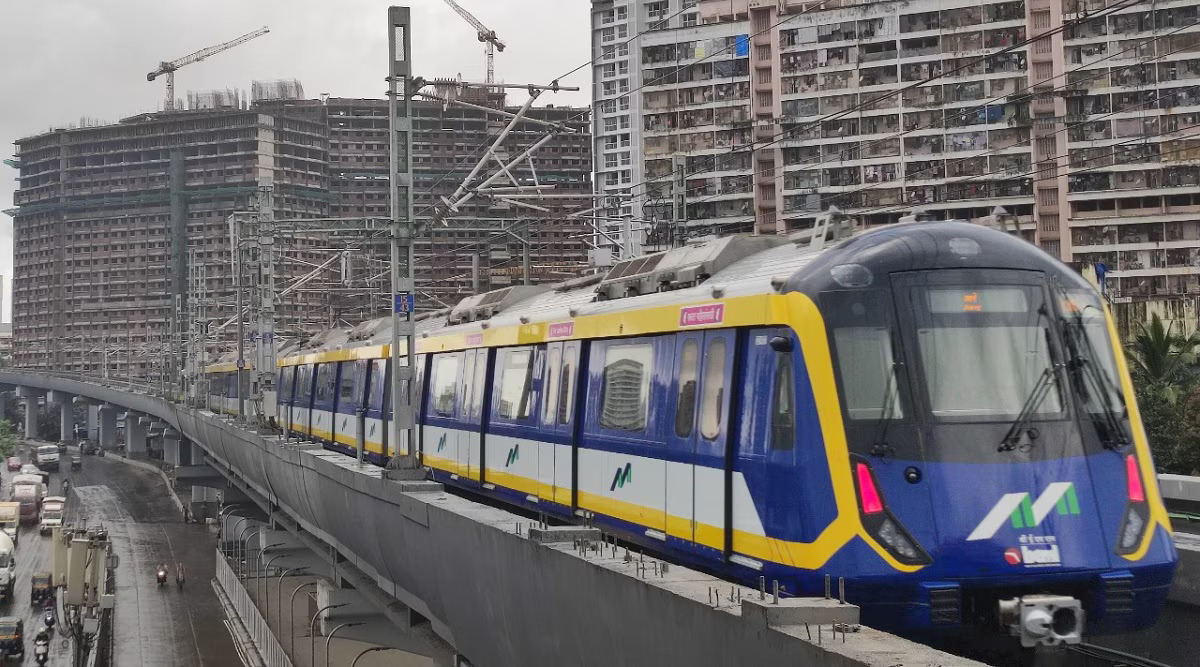
Mumbai has taken a decisive step towards reshaping its urban mobility with the state government approving the much-anticipated Metro Line-11, a coastal corridor linking Wadala Depot–Anik to the Gateway of India. Backed with a financial outlay of Rs 23,487.51 crore, the project has been positioned as a transformative investment in the city’s sustainable and resilient transport future.
The line, which extends the under-construction Metro Line-4 (Wadala–Thane–Kasarvadavali), will span 17.51 kilometres. Nearly 70 per cent of this route will be underground, housing 13 underground stations and one at-grade stop, offering commuters a faster and safer alternative to the city’s overburdened roads. According to officials, this extension is expected to not only decongest surface transport but also reduce vehicular emissions in line with the state’s vision of building a low-carbon economy. Planned and detailed by the Delhi Metro Rail Corporation (DMRC), the project will be executed by the Mumbai Metro Rail Corporation Limited (MMRCL). The state has announced that it will seek Rs 3,137.72 crore in equity support and Rs 916.74 crore in interest-free subordinate debt from the Union government to facilitate funding. Additionally, the cabinet has committed to take full responsibility for loan repayments, ensuring financial sustainability of the venture.
The approval marks a significant milestone in Mumbai’s urban transport journey. The corridor is expected to serve as a critical linkage between south Mumbai’s heritage business district and the expanding residential and commercial hubs in the central suburbs. Experts note that the integration of Line-11 with Line-4 will create a seamless east–west and north–south connection, improving travel time while also expanding access for millions of daily commuters. Transport specialists emphasise that a metro line traversing the city’s coastal edge has a dual advantage. Not only does it provide resilience against the limitations of road-based traffic, but it also sets a precedent for building infrastructure that aligns with global climate-conscious urban practices. With nearly three-fourths of the route underground, the design minimises land acquisition needs and ensures that Mumbai’s already scarce urban land is optimised for public use.
While the announcement has generated optimism, experts caution that timely execution, financial prudence, and transparent governance will be key in determining the project’s success. Citizens and urban planners alike will be closely watching the implementation phase, particularly how the government balances construction challenges with its sustainability and equity commitments. For Mumbai, Metro Line-11 stands as more than just another infrastructure project. It signals an important step in creating a city where mobility is equitable, greener, and better connected, setting the stage for an urban future designed for both people and planet.
Also Read: Mumbai Metro Line 4 Phase 1 U Girder Launch Signals Trial Runs Soon
