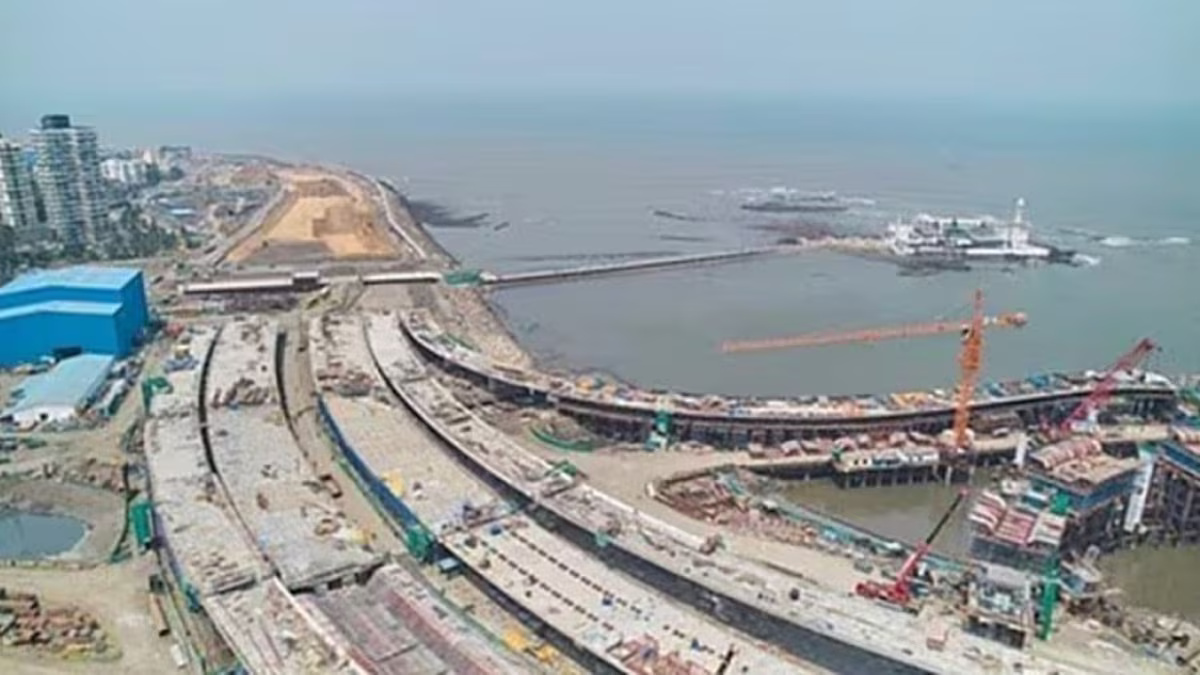
Mumbai’s expanding coastal transport network is set to undergo a critical review of its emergency preparedness framework, with authorities considering air-based rescue infrastructure for some of the city’s most complex road corridors. The proposal follows recent highway incidents elsewhere in the state that highlighted how accidents on high-speed, access-controlled roads can quickly escalate into prolonged public safety emergencies. In a dense financial capital like Mumbai, officials say response time can determine outcomes.
Senior state and city-level officials have flagged the Bandra–Worli Sea Link, the Versova–Bandra–Worli Sea Link, and the Mumbai Coastal Road as corridors requiring specialised emergency planning. These routes differ from conventional arterial roads, running over the sea, through reclaimed land, and in underground tunnels, where access for ambulances, fire engines, and rescue equipment can be severely constrained during major incidents. According to officials involved in disaster preparedness planning, one of the key measures under evaluation is the creation of dedicated air evacuation facilities near these corridors. A proposed helipad near the Bandra reclamation area is being examined as a strategic node that could support rapid medical evacuation and security deployment in case of fires, vehicle pile-ups, hazardous material spills, or extreme weather events. Space identification and inter-agency clearances are part of the preliminary discussions.
Urban transport and safety experts note that coastal and sea-link infrastructure, while easing congestion and cutting travel time, introduces new risk profiles. Tunnel sections and elevated sea crossings can trap vehicles during accidents, while salt exposure and strong winds complicate rescue operations. In such scenarios, airlifting injured commuters directly to hospitals could significantly reduce the time between incident and treatment, particularly during peak hours when road access is compromised. The proposed emergency upgrades are also aimed at improving coordination between multiple agencies. Disaster management units, traffic police, fire services, national response forces, and healthcare systems are expected to be integrated into a unified protocol specific to coastal corridors. Officials say the objective is not only faster response but clearer command structures and real-time communication during crises.
From an urban planning perspective, the move reflects a broader shift towards treating mobility infrastructure as part of a city’s resilience system. As Mumbai invests heavily in climate-facing assets along its coastline, planners argue that emergency design must keep pace with engineering ambition. Heat stress, flooding, and sea-level variability are increasingly intersecting with transport risk, making preparedness a core infrastructure function rather than an afterthought. If approved, the emergency aviation component would complement existing road-based systems rather than replace them. Authorities emphasise that service roads, surveillance, and on-site emergency bays remain essential. The next phase will involve feasibility assessments and cost evaluations before proposals are placed for administrative clearance.
For Mumbai’s millions of daily commuters, the outcome could redefine what safety means on the city’s landmark roads—shifting the focus from speed alone to resilience, response, and the ability to recover quickly when disruptions occur.
Mumbai Coastal Corridors Face Emergency Response Rethink