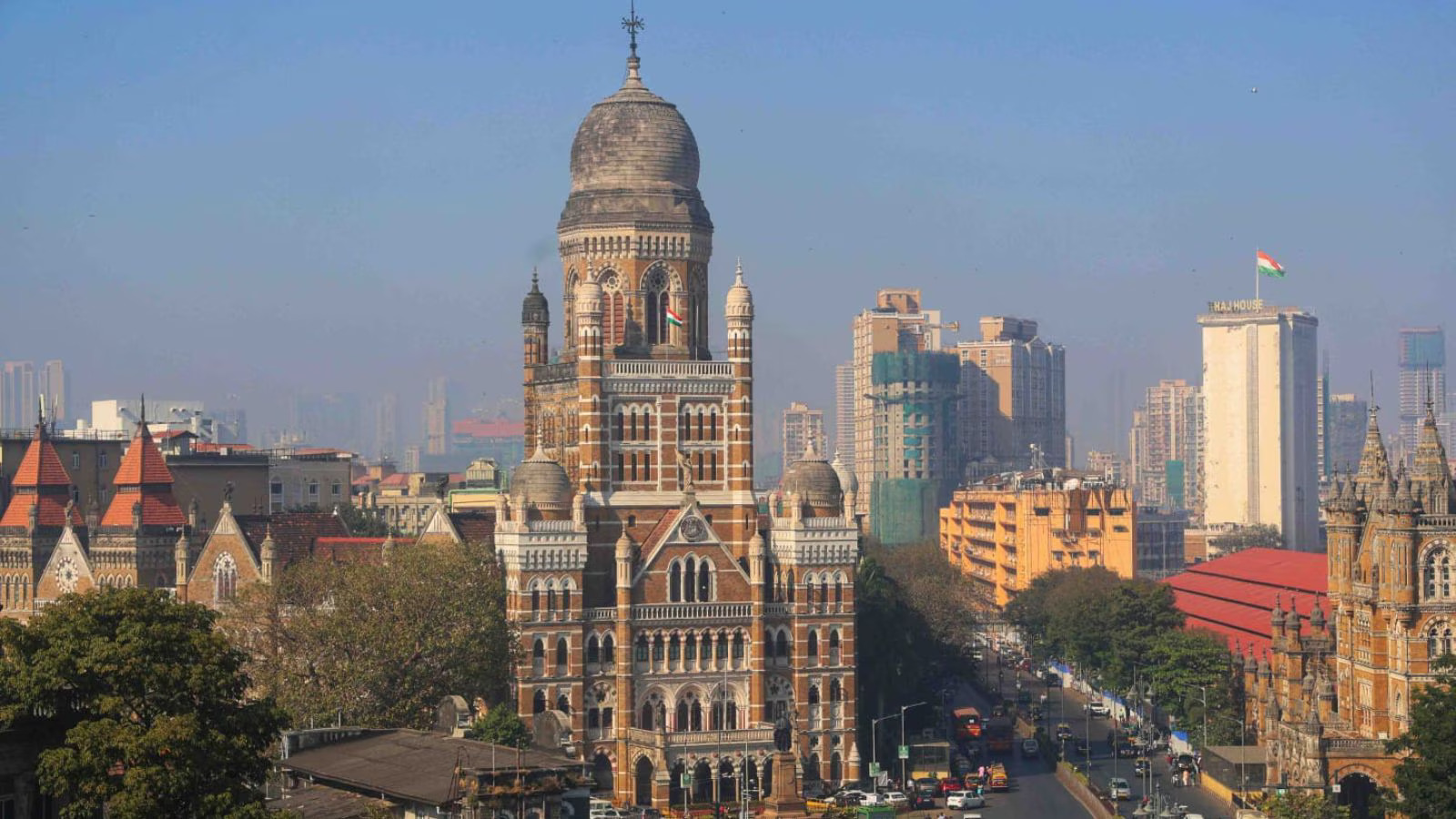
Mumbai’s civic administration has outlined an infrastructure-driven development roadmap for the coming year, unveiling a ₹80,952 crore municipal budget that places capital investment at the centre of urban governance. Presented before the standing committee of the Brihanmumbai Municipal Corporation, the 2026–27 budget reflects a deliberate shift towards accelerating ongoing projects rather than announcing new large-scale works, signalling a focus on execution, service reliability, and long-term resilience.
Nearly 60 per cent of the total outlay has been earmarked for capital expenditure, underscoring the civic body’s intent to strengthen Mumbai’s physical infrastructure amid rising population pressures and climate risks. Officials involved in budget preparation said the emphasis is on completing high-impact projects that influence daily mobility, water security, sanitation, and disaster preparedness—areas where delays have direct social and economic costs. Capital spending for the year has been pegged at over ₹48,000 crore, with major allocations directed towards road infrastructure, wastewater treatment, and coastal protection works. A significant portion of this funding is tied to four large projects, including the southern coastal road, multiple sewage treatment facilities, a key east–west road connector in the suburbs, and the citywide road concretisation programme. Urban planners note that these investments are critical for flood mitigation, traffic decongestion, and improving the lifespan of civic assets in a high-density coastal city.
Revenue expenditure stands at close to ₹32,700 crore, covering essential services such as public health, education, solid waste management, and civic administration. The civic body has projected a rise in revenue income, supported by property tax collections, development plan premiums, and statutory compensation, allowing it to maintain a modest surplus while continuing heavy infrastructure spending. In a notable shift in financing strategy, the corporation has announced plans to explore municipal green bonds to fund environmentally aligned infrastructure such as wastewater recycling and desalination. Financial experts see this as a step towards diversifying funding sources while aligning civic borrowing with sustainability-linked outcomes, a model increasingly adopted by global cities facing climate adaptation costs.
Water security features prominently in the budget, with allocations aimed at augmenting supply through a mix of long-term storage and alternative sources. Investments have also been proposed for health infrastructure, with a focus on expanding primary care, preventive screening, and technology-led diagnostics at neighbourhood facilities, reflecting lessons drawn from post-pandemic urban health planning. Environmental concerns have received greater fiscal attention this year, with funding for climate and environment-related programmes seeing a significant increase. Officials indicated that this would support air quality monitoring, urban greening, and resilience planning, areas that have gained urgency as Mumbai experiences more frequent extreme weather events.
While the budget avoids headline-grabbing new announcements, policy analysts say its significance lies in consolidation. For residents and businesses, the coming year will test whether sustained capital spending can translate into visible improvements in mobility, water reliability, and public services. As Mumbai continues to grow vertically and outward, the effectiveness of this infrastructure-led fiscal strategy will shape the city’s economic competitiveness and quality of life in the decade ahead.
Mumbai Civic Budget Prioritises Infrastructure Expansion