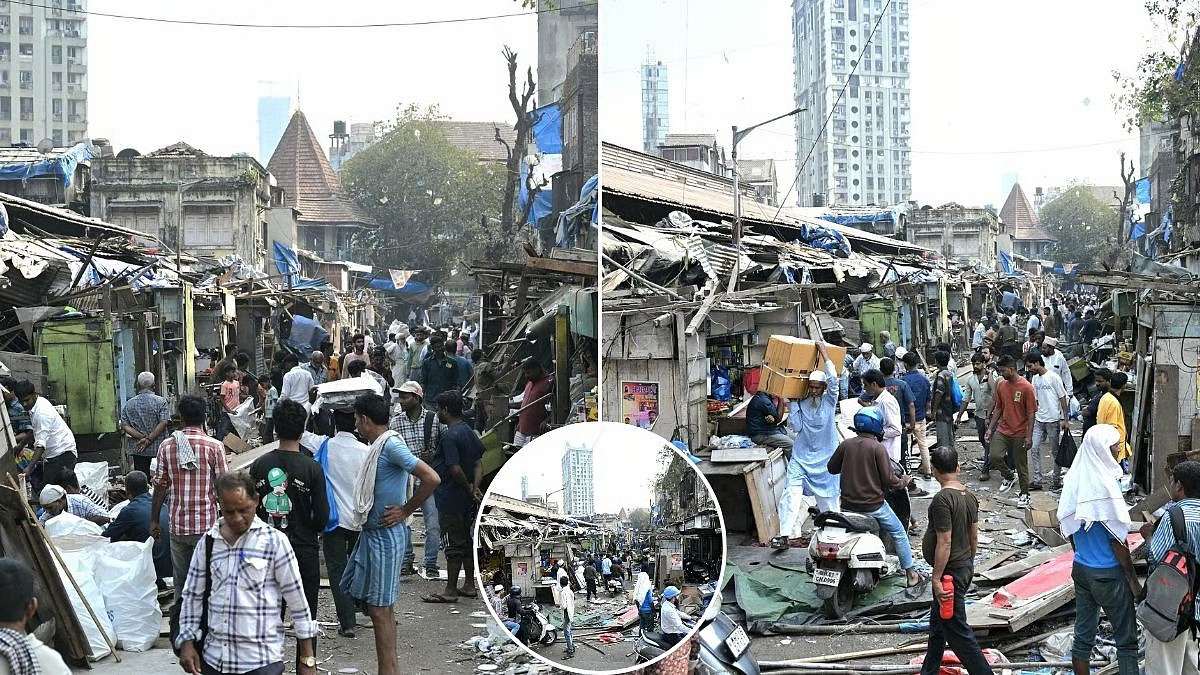
Mumbai’s municipal authority has escalated its campaign against unauthorised street encroachments, demolishing illegal structures and restoring public access across key commercial and residential corridors. Over the past week, civic teams conducted coordinated enforcement drives in central, western, and suburban wards, addressing unauthorised extensions, hawker stalls, and roadside shanties that have contributed to congestion and pedestrian hazards.
The recent initiative follows directives from the city’s newly elected civic leadership, which has prioritised the removal of illegal encroachments on footpaths and streets as part of broader urban governance reforms. Officials underscored the need to balance enforcement with ensuring that livelihoods affected by demolitions are considered, highlighting the social complexity of managing informal urban economies. In central Mumbai, the campaign focused on high-traffic corridors including Abdul Rehman Street, Mohammad Ali Road, and adjacent commercial arteries. These zones, connecting dense marketplaces and residential areas, have historically suffered from pedestrian and vehicular bottlenecks due to unauthorised extensions and hawker proliferation. Enforcement teams demolished over 15 unauthorised structures and 10 illegal stalls in one operational cycle, deploying civil labourers and machinery in coordination with local police for smooth execution.
Suburban zones were also included in the crackdown. Jogeshwari saw extensive clearance along Station Road, Subhash Road, and Swami Vivekanand Road, while Kandivali West witnessed targeted demolitions near Boraspada Road, particularly around school precincts. Combined efforts in these wards removed upwards of 65 to 70 illegal structures, reinstating pedestrian access and reducing congestion on heavily used urban streets. Urban planning experts note that unregulated street encroachments have broader implications beyond immediate mobility challenges. “Unauthorised structures obstruct emergency services, create sanitation risks, and compromise inclusive access,” said a senior municipal planning official. From a sustainability perspective, clearing encroachments also allows for better street landscaping, improved stormwater drainage, and integration of pedestrian-friendly infrastructure in line with climate-resilient city goals.
The drive reflects an emerging governance model that combines proactive enforcement with strategic urban planning. By systematically addressing encroachment issues across high-density corridors, municipal authorities aim to enhance urban liveability, ensure compliance with zoning laws, and improve economic efficiency in commercial hubs. Moreover, these actions underscore the role of civic institutions in facilitating equitable urban mobility while safeguarding public spaces. Looking ahead, officials indicated that ongoing monitoring and engagement with informal sector stakeholders will be essential to prevent the re-emergence of illegal structures. Regularised hawker zones, community consultation, and technologically supported street audits are expected to complement enforcement, forming a holistic approach to urban management that balances economic activity with public safety and accessibility.
Mumbai Civic Authority Targets Illegal Street Structures