


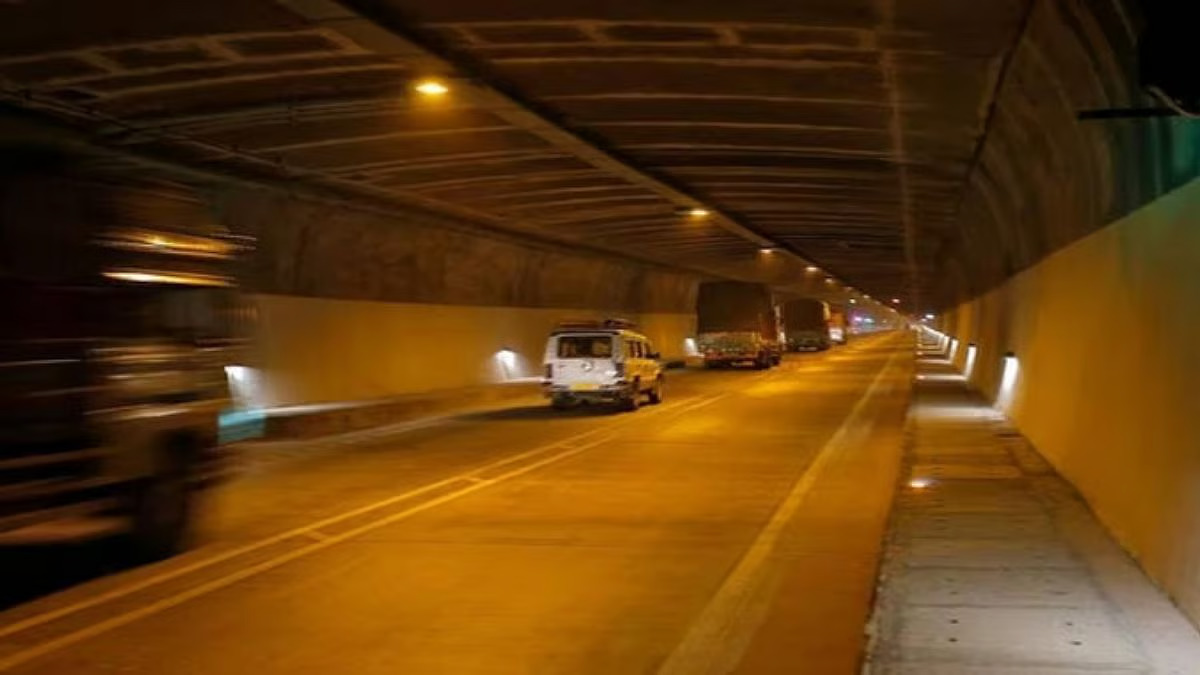
Mumbai residents are raising strong objections to the lack of public consultation in the proposed Orange Gate–Marine Drive tunnel, highlighting the recurring clash between mega infrastructure ambitions and local community concerns.
The tunnel, being executed under the Mumbai Metropolitan Region Development Authority, is set to become the city’s first deep-level urban tunnel, 40 metres underground, linking the Eastern Freeway at Orange Gate with Marine Drive. With an estimated investment of ₹7,765 crore, the 9.5-kilometre tunnel will integrate Mumbai’s rapidly expanding web of express connectors, including the Mumbai Trans Harbour Link, the Coastal Road, and the Bandra-Worli Sea Link. While officials describe the project as a transformative step in easing chronic bottlenecks in South Mumbai’s busiest stretches—particularly near Orange Gate, Mumbai Port Trust, and the PD’Mello Marg corridor—residents of Marine Drive argue that such developments should not be designed in isolation from the communities they directly affect.
Last year, several residential buildings in the neighbourhood received notices from the project contractor seeking permission for pre-construction surveys and installation of vibration-monitoring instruments. The communication, though procedural, fuelled unease among long-term residents who said they were being compelled to sign no-objection certificates without adequate explanation of the long-term consequences. Infrastructure experts suggest that while large-scale projects of this nature promise significant traffic relief, they often neglect softer aspects of urban planning—such as citizen participation, heritage preservation, and environmental impact. For residents who have lived in the Marine Drive precinct for decades, the lack of consultation is viewed less as a rejection of progress and more as a demand for transparency.
Officials have defended the move as a critical connectivity intervention, arguing that smoother east-west and north-south traffic links will reduce congestion and cut emissions from idling vehicles. However, urban planners warn that pushing ahead without inclusive dialogue risks creating distrust between authorities and the very citizens who bear the daily brunt of construction. The Marine Drive community’s apprehensions echo a broader debate across Indian cities—whether infrastructure can be pursued in a manner that balances growth with sustainability and civic inclusion. The concerns are not limited to traffic or construction vibrations but extend to the cumulative impacts of successive mega projects on the city’s fragile coastal ecosystem and its residents’ quality of life.
In this context, the Orange Gate tunnel highlights a tension at the heart of Mumbai’s urban future. On one hand, it represents a vision of seamless mobility; on the other, it underscores the urgent need for participatory governance in shaping the city. As the project advances, the challenge will lie in reconciling the state’s infrastructural priorities with citizen voices, ensuring that development does not come at the cost of trust and transparency.
Also Read : BMC To Develop 53-Hectare Green Zone Along Mumbai Coastal Road Project
