


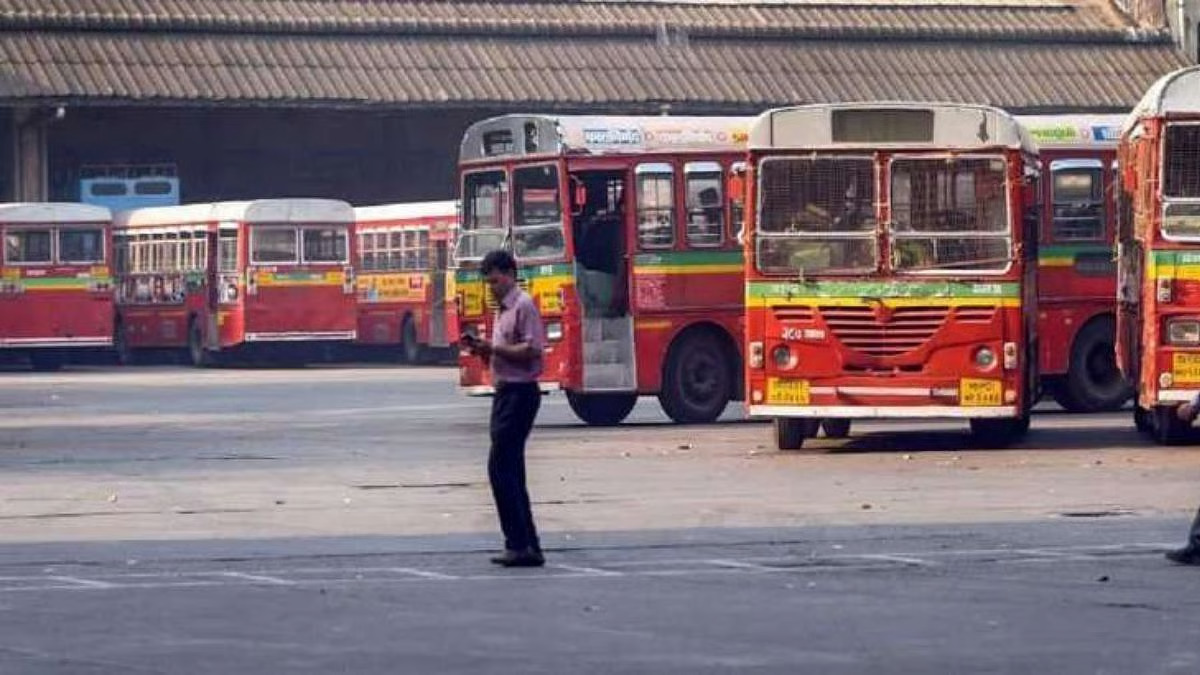
Even as Mumbai welcomed 150 new electric buses this week, civic transport concerns continue to mount. With the Brihanmumbai Electric Supply and Transport (BEST) fleet now standing at 2,759 buses, citizens’ groups argue that the addition remains far below what the city of over 12 million residents truly requires. The undertaking’s simultaneous move to redevelop bus depots for commercial use has also sparked widespread opposition among commuters and urban mobility advocates.
Transport experts point out that the fleet is currently at a 15-year low, warning that Mumbai’s public transport backbone is being weakened at a time when sustainable mobility should be prioritised. Despite plans to induct another 100 buses by year-end, an estimated 300 existing vehicles are nearing the end of their operational life, raising fears that the overall fleet size may stagnate below 3,000. Citizen groups have voiced deep frustration at what they perceive as a misplaced focus on monetising land instead of investing in reliable bus services. Representatives from city-based collectives have demanded that all BEST land remain dedicated to transport operations, criticising the move to open depots for redevelopment under the guise of “non-fare revenue generation.” They argue that the civic transport body should not transform its operational spaces into commercial estates at the expense of public service.
The groups further claim that fare hikes over the past few years have not translated into improved services. Many low-income neighbourhoods reportedly face severe service gaps, forcing residents to endure longer waits, more transfers, and unsafe overcrowding. Long-distance routes have been curtailed, leaving vulnerable sections — including women, children, and the elderly — with limited travel options. Activists have petitioned the transport authority to restore its fleet to at least 6,250 buses, as per the norm of one bus per 2,000 residents, to meet citywide demand and ensure equitable access. BEST officials, however, maintain that the transition toward an all-electric fleet remains a priority. According to senior officials, the undertaking aims to be fully electric by 2026–27, with buses planned for last-mile connectivity across key Metro corridors and feeder routes linking railway stations. The management has also hinted at taking legal recourse against delays in bus deliveries to ensure the transition stays on track.
On the question of non-fare revenue, the civic body has stated that a formal policy framework is under preparation and will be placed before the state government for review. While the intent may be to enhance financial sustainability, transport experts argue that such measures must not come at the cost of public welfare or compromise the availability of essential services. The growing discontent among citizens underscores a larger debate on Mumbai’s mobility priorities — whether the city will continue to treat public transport as a civic obligation or a revenue opportunity. For a metropolis aspiring to achieve carbon neutrality and sustainable urban growth, that decision could shape the future of how Mumbaikars move.
Also Read : Mumbai Metro And Monorail Operators Told To Submit Emergency Management Plans To BMC
