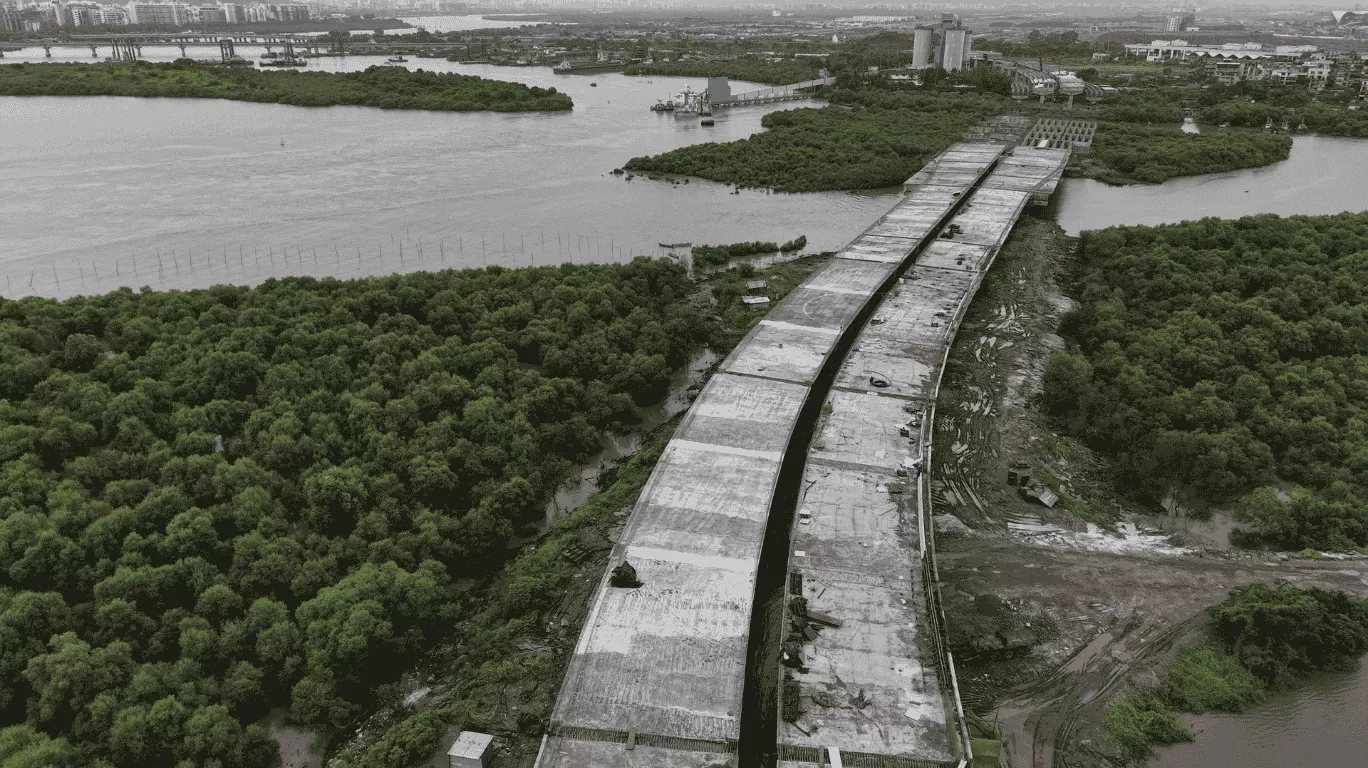
Residents and environmental groups across Mumbai are preparing to gather for a citizen-led demonstration on Friday evening to draw attention to the ecological impact of the proposed northern stretch of the city’s coastal road corridor. The event underscores rising public scrutiny over the fate of thousands of mangroves located along the alignment of the upcoming transport link between the western suburbs and the northern metropolitan edge.
The march, scheduled in the western suburb of Kandivli, is expected to bring together residents, civic volunteers and environmental advocates concerned about the potential loss of coastal vegetation. Participants say the mobilisation reflects growing anxiety over the scale of ecological change linked to the Mumbai Coastal Road North corridor, a major infrastructure project designed to ease congestion along the city’s western shoreline. Urban planners note that the debate surrounding the project highlights the difficult balance between expanding transport capacity and protecting fragile coastal ecosystems. Mangroves, often described as the city’s natural flood barriers, play a critical role in stabilising shorelines, absorbing storm surges and supporting marine biodiversity. In a low-lying coastal city increasingly exposed to extreme rainfall and tidal flooding, their preservation has become a central component of climate resilience planning.
Available project assessments indicate that tens of thousands of mangroves fall within the broader influence zone of the planned corridor. While only a portion may be directly removed for construction, a much larger number could face indirect ecological stress due to land reclamation, road structures and altered tidal flows. Environmental observers argue that these impacts warrant deeper scrutiny, especially as coastal infrastructure becomes more complex. The proposed coastal road extension — a 22-kilometre transport link connecting the western suburbs toward the northern metropolitan boundary — is expected to feature a combination of surface roads, elevated stretches, bridges and tunnel segments crossing sensitive creek systems. The corridor is intended to reduce travel time between key suburban districts and integrate with Mumbai’s wider road network.
Municipal officials involved in the project maintain that compensatory afforestation measures are planned to offset vegetation loss linked to the development. According to planning documents, new plantations are expected to be undertaken on designated land parcels outside the core urban area as part of regulatory environmental commitments. However, ecological researchers caution that replacement plantations cannot fully replicate the complex ecosystem functions of mature mangrove forests, which take decades to develop. For coastal cities like Mumbai, where natural buffers already face intense development pressure, experts emphasise the need for infrastructure planning that integrates environmental safeguards from the earliest design stages.
The planned march is therefore emerging not only as a local protest but also as part of a broader conversation about how rapidly expanding cities can pursue mobility upgrades while preserving natural defences against climate risk. As Mumbai continues to invest heavily in transport infrastructure, the outcome of such debates may shape how future urban projects incorporate ecological resilience into their design.
Mumbai Citizens Mobilise to Highlight Mangrove Risk Along Coastal Corridor