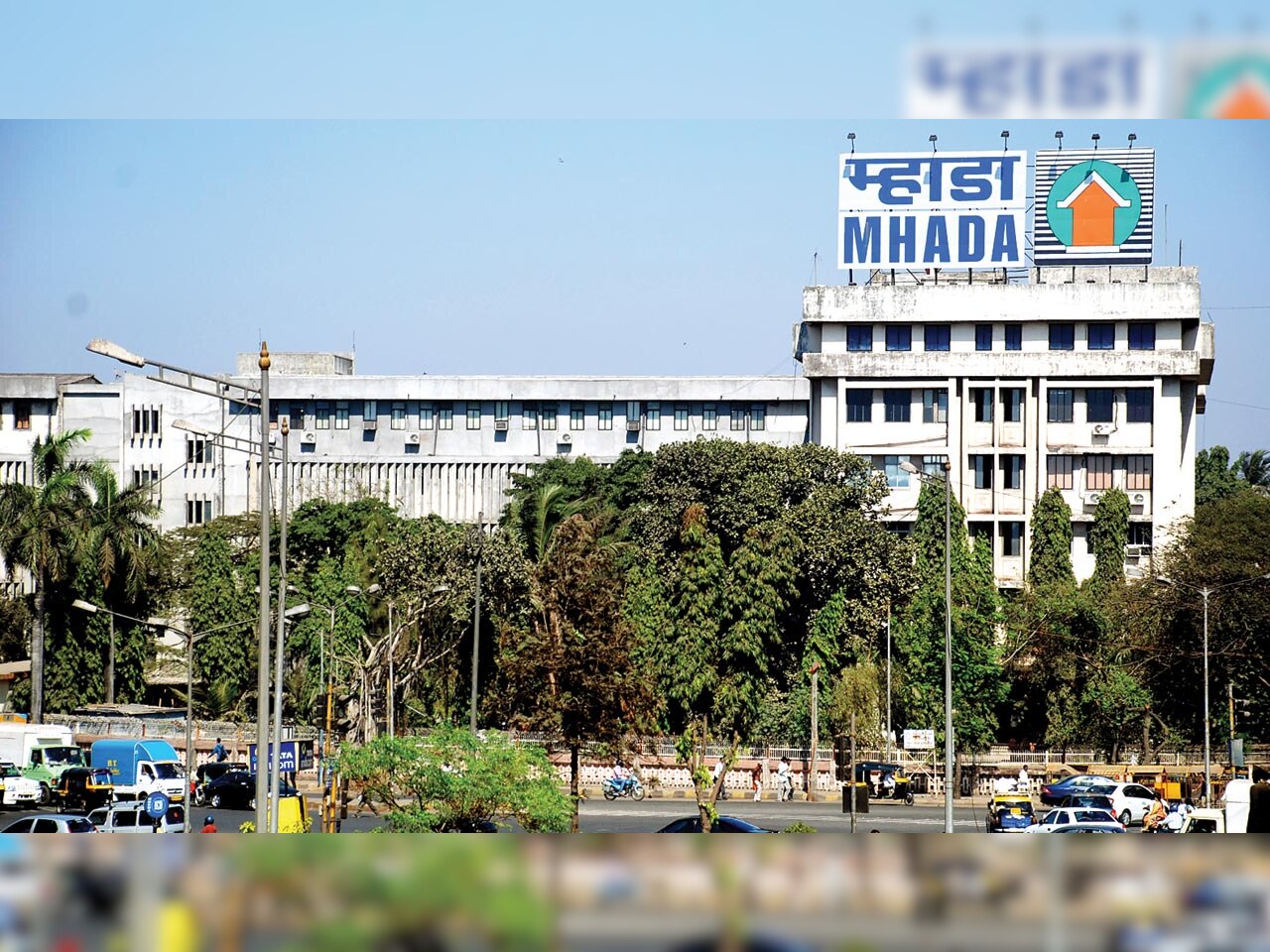
Mumbai’s housing affordability landscape is poised for a subtle yet meaningful shift as the Maharashtra Housing and Area Development Authority (MHADA) prepares to roll out a revised allocation process for select residential units. Under this new framework, prospective homebuyers may secure housing without participating in the traditional lottery system, provided they fulfil a set of essential documentation requirements.
The change, applicable to a batch of 120 units, reflects ongoing efforts to streamline housing distribution for lower- and middle-income residents while addressing administrative bottlenecks. Officials note that, for the first time under this scheme, proof of residence in Maharashtra is mandatory, alongside standard identity and caste-related documentation, ensuring transparency and eligibility verification. Urban planners emphasise that such modifications are particularly relevant in Mumbai, where real estate prices continue to soar alongside rapid vertical development. “Providing a pathway to direct allotment can reduce procedural delays and help residents secure homes without being disadvantaged by chance-based lotteries,” said a senior housing official. By facilitating smoother access to housing, the authority seeks to mitigate the socio-economic exclusion that often accompanies high-demand urban real estate markets.
The allocation process, operating under the “first come, first served” framework, differs significantly from conventional MHADA lotteries, which often require applicants to compete repeatedly without guaranteed outcomes. While the lottery system has historically been the main instrument for distributing affordable units, it has also been criticised for creating uncertainty among applicants and contributing to procedural backlog. Experts indicate that by introducing direct allotment for eligible applicants, MHADA may better balance demand with administrative efficiency. The scheme highlights the role of administrative modernisation in fostering inclusive urban growth. Urban development analysts note that ensuring verified residents are prioritised aligns with broader city planning objectives, particularly in dense metropolitan areas where housing demand outpaces supply. By mandating proof of local residence, the authority not only strengthens eligibility compliance but also reinforces equitable access to limited public housing resources.
Implementation, however, is not immediate. Technical adjustments to the registration and verification systems have delayed the official start, now anticipated in the third week of February. Stakeholders are advised to secure the necessary documents, including residence proof and identification certificates, to ensure participation once registration opens. For Mumbai’s urban residents, this initiative represents more than a procedural change; it underscores an ongoing effort to make housing policies more responsive to citizen needs. While the lottery may continue for other MHADA projects, the direct allotment process is expected to provide timely relief to eligible households and contribute to more predictable and equitable urban housing outcomes.
Mumbai citizens can access MHADA homes directly