


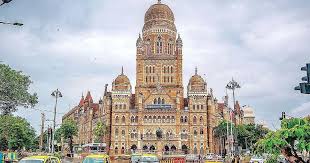
As Mumbai prepares for long-delayed municipal elections, citizen groups across the city have issued detailed civic charters that are reshaping the political conversation at the ward level. From deteriorating roads and chronic traffic congestion to air quality and waste management, residents are setting clear expectations for future corporators, signalling a shift from personality-driven politics to outcome-based urban governance.
The release of these charters comes amid heightened public scrutiny of the Brihanmumbai Municipal Corporation, following years without elected representatives at the ward level. Civic forums argue that the absence of corporators has weakened accountability, leaving neighbourhood-level issues unresolved while large infrastructure projects continue to absorb a growing share of municipal resources. Urban governance experts note that this moment reflects a maturing electorate demanding transparency, fiscal discipline, and people-first infrastructure. A recurring theme across the Mumbai civic charters is concern over shrinking ward-level financial autonomy. Civil society assessments show that the proportion of the municipal budget directly controlled at the ward level has steadily declined over recent years, limiting the ability to address hyperlocal priorities such as road maintenance, drainage, and pedestrian safety. Residents argue that this imbalance has favoured capital-intensive mobility projects while everyday liveability has suffered. Road quality and pothole management dominate citizen demands, particularly in monsoon-prone neighbourhoods. Residents have highlighted repeated temporary repairs, frequent utility digging, and weak contractor accountability as key contributors to unsafe streets and traffic bottlenecks. Urban planners say that durable road design, coordinated utility planning, and lifecycle-based contracts are essential to reducing both costs and carbon emissions linked to repeated reconstruction.
Pedestrian infrastructure has emerged as another critical fault line. Missing or encroached footpaths, poor crossings, and inaccessible design have made walking increasingly unsafe, especially for older citizens, children, and persons with disabilities. The Mumbai civic charters consistently call for a pedestrian-first approach, urging elected representatives to protect footpaths, regulate street activity, and prioritise universal accessibility in all road projects. Air quality management features prominently, reflecting growing concern over construction dust, traffic emissions, and weak enforcement at the ward level. Citizen groups argue that existing regulations lack deterrence and fail to hold large projects accountable. Environmental analysts note that improving local air quality is central to climate-resilient urban development, with direct implications for public health and workforce productivity. Solid waste management and hygiene also figure high on voter priorities. Residents point to inconsistent collection, poor segregation enforcement, and neglected public sanitation as systemic failures. Experts suggest that decentralised waste processing, transparent contractor monitoring, and community participation are essential for cleaner, lower-emission neighbourhoods.
Collectively, the Mumbai civic charters mark a decisive moment in the city’s democratic process. By demanding written commitments and regular public engagement, residents are redefining the role of corporators as local stewards rather than intermediaries. As the elections approach, the challenge for candidates will be translating these expectations into credible, ward-specific action plans that restore trust and improve everyday urban life.
Also Read: Mumbai Banking Infrastructure Platform Draws Fresh Capital
Mumbai Citizen Charters Spotlight Everyday Urban Failures
