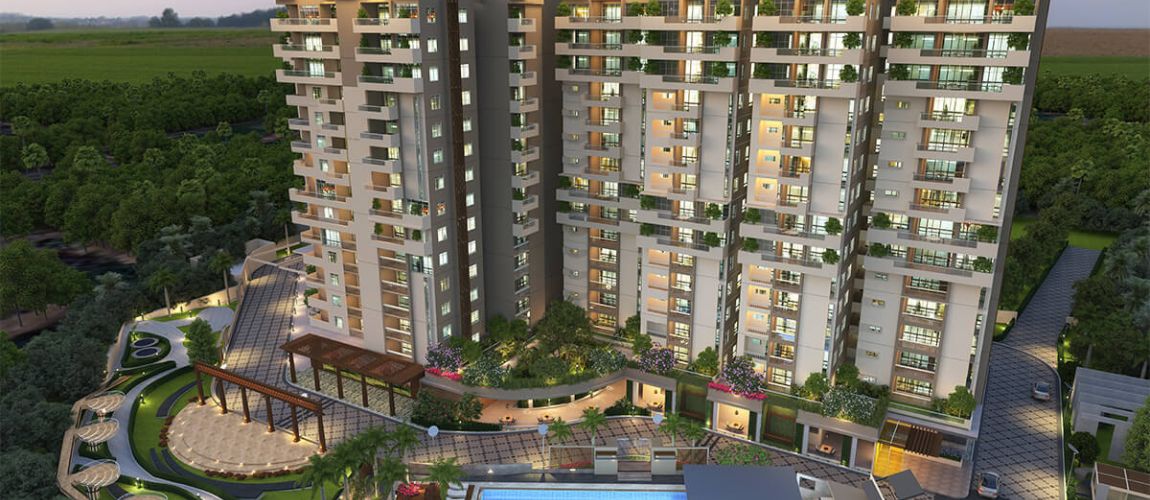
Mumbai Chembur Redevelopment Fuels New Luxury Housing Cluster
Mumbai’s eastern suburb of Chembur is undergoing a major urban transformation as ageing industrial sites, cultural landmarks and underutilised land parcels give way to premium residential developments. The shift is positioning the area as one of the city’s emerging upscale housing clusters, driven by redevelopment opportunities, improved transport links and proximity to rare green spaces within the metropolis.
For decades, Chembur was associated with manufacturing units, film studios and institutional properties that shaped the suburb’s economic and cultural identity. As several of these establishments gradually shut operations or relocated, large land parcels became available for redevelopment. Developers and investors are now viewing these sites as strategic assets capable of supporting high-density housing in a city where developable land remains scarce. Urban planners say the transformation reflects a broader pattern across Mumbai where legacy land holdings are increasingly being repurposed to address housing demand. Redevelopment of historically significant properties has already begun altering Chembur’s skyline, replacing single-use industrial compounds with modern residential towers designed around lifestyle amenities, open spaces and improved building efficiency.
The suburb’s proximity to expansive green landscapes has also played a critical role in shaping its premium residential appeal. Homes located near the city’s historic golf course offer long-term views of open greenery an increasingly rare feature in Mumbai’s dense urban environment. Real estate analysts note that properties overlooking permanent green spaces tend to command higher valuations due to the scarcity of such locations and their potential to support healthier, low-density urban environments. Industry observers say landmark-driven development often helps establish micro-markets within large metropolitan areas. In Chembur’s case, neighbourhoods near major open spaces and institutional land parcels are gradually forming distinctive residential clusters, attracting homebuyers seeking quieter environments while remaining connected to central business districts.
Infrastructure upgrades have further accelerated the suburb’s transition. Connectivity improvements through the Eastern Freeway, suburban rail corridors and the city’s monorail system have shortened travel times between Chembur and major commercial hubs such as south Mumbai, Bandra-Kurla Complex and Navi Mumbai. Transport planners say these networks have improved cross-city mobility, making eastern neighbourhoods more viable for professionals working across the metropolitan region. Several national and regional developers have already launched residential projects in the area, signalling confidence in Chembur’s evolving housing market. Industry estimates suggest that redevelopment of older residential buildings and industrial plots will continue to supply new housing stock over the next decade, particularly as Mumbai increasingly depends on brownfield land for urban expansion.
Urban development experts caution, however, that redevelopment-led growth must be balanced with infrastructure capacity, environmental considerations and inclusive planning. Ensuring adequate open spaces, climate-resilient design and accessible civic amenities will remain critical as Chembur transitions from an industrial suburb into a high-value residential neighbourhood. As Mumbai continues to face mounting pressure on land and housing supply, Chembur’s redevelopment story illustrates how historic land parcels can shape the next phase of the city’s urban growth turning legacy sites into contemporary residential communities while redefining the character of established neighbourhoods.