


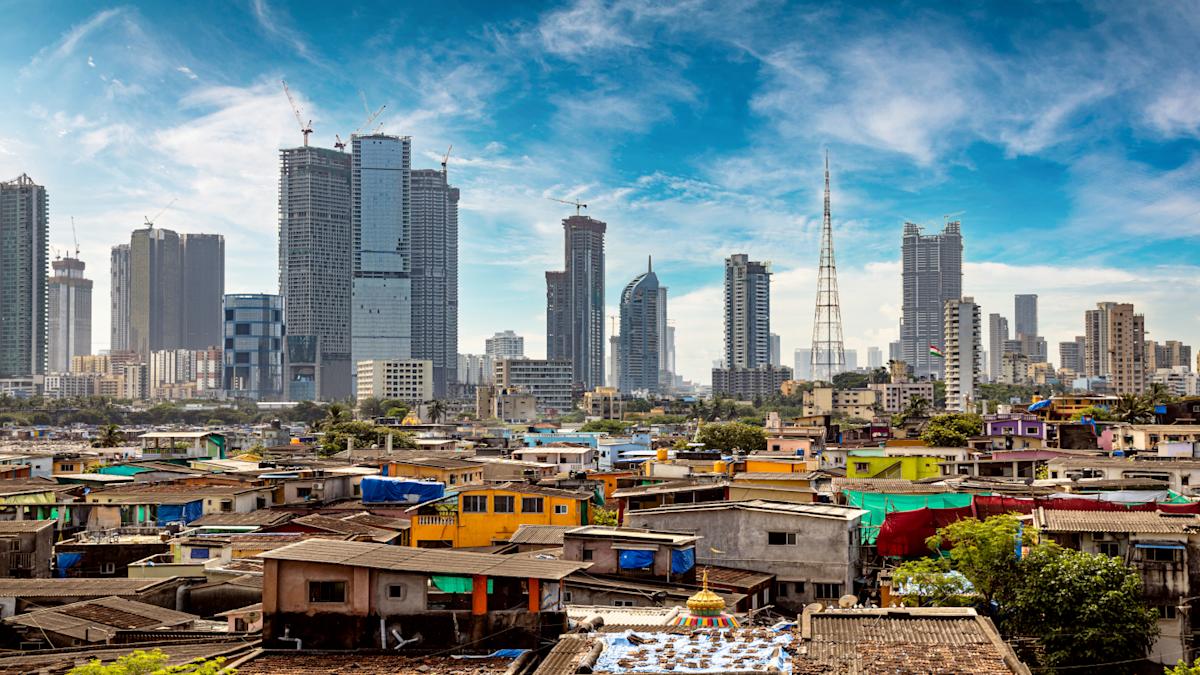
The controversial Dharavi Redevelopment Project has reached a critical milestone, with top officials confirming that resident consent is not a prerequisite for the plan’s execution. Clarifying growing concerns from sections of slum residents, officials from the redevelopment authority stated that over 50 percent of the population has already engaged with the process, and more importantly, consent is not legally mandated due to the nature of the government-led appointment of the developer.
The project is being implemented by Nav Bharat Mega Developers Pvt Ltd, a special purpose vehicle (SPV) in which a private conglomerate holds an 80 percent stake and the state government holds 20 percent. Unlike typical Slum Rehabilitation Authority (SRA) schemes, where resident consent is required for developer appointment, this project differs in that the developer has been selected by the government, making traditional consent clauses inapplicable. Officials argue that participation in the ongoing door-to-door eligibility survey amounts to implied consent. Of the estimated 1 lakh families surveyed, around 80 percent have voluntarily submitted documents. The survey includes a section where respondents indicate willingness to participate in the project, which officials interpret as a clear expression of support.
The scale of the project is massive. Around five lakh eligible households are expected to be resettled within Dharavi through free housing, while a similar number deemed ineligible are to be moved to state-subsidised rental housing in locations outside Dharavi. These include areas like Deonar, Kurla, Malvani, and Bhandup. So far, approximately 63.5 acres of the 541 acres earmarked for this purpose have been handed over to the state government’s Dharavi Redevelopment Project (DRP) body. Government officials clarified that the rental housing parcels remain with the DRP and not with the developer. The transfer of land parcels to the SPV will only occur once residents are relocated, thus ensuring accountability and preventing premature handover. The plan includes phased construction, and if all land is not needed, the unused portions will revert to the government.
Addressing concerns on how projections were made despite the incomplete survey, officials cited the use of advanced mapping technologies. Initial assessments were conducted using drone-based and LIDAR (Light Detection and Ranging) surveys, followed by ground-level enumeration. These combined methodologies, they claim, offer a reliable basis for planning such a complex urban intervention. While opposition voices have raised questions about the potential commercial gain from real estate involved, officials maintain that the state’s objective is structured around housing equity and infrastructure renewal. They assert that the data-driven and phased approach ensures minimal disruption and maximises transparency.
As Mumbai continues its efforts to balance redevelopment with inclusivity, the Dharavi project stands as a test case for future large-scale urban renewals in India’s megacities.
Also Read : Chennai Begins Rs 38 Crore Monsoon Works in City and Suburbs
