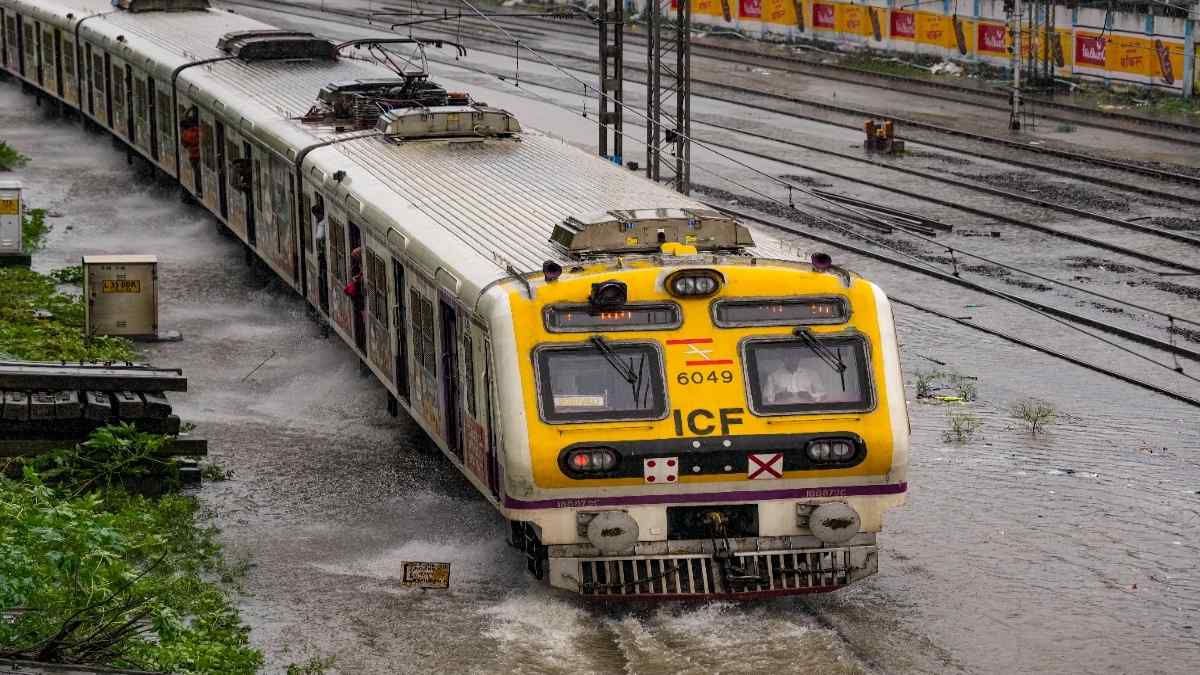
Mumbai Central Railway Services Disrupted By Trackside Fire
Commuters on Mumbai’s Central Railway (CR) suburban network faced significant delays on Friday as a trackside fire and a concurrent signal failure disrupted services on both the Main and Harbour lines, amplifying longstanding infrastructure pressures on the city’s rail‑centric mobility system. The incidents — one involving a fire adjacent to the tracks and another tied to signal malfunction — underscore persistent challenges in safeguarding reliability on a network that carries millions of daily passengers.
The trouble began with a trackside blaze near one of the suburban corridors, which prompted authorities to suspend nearby services as a safety precaution. Fire crews were deployed to contain the situation, but the resulting interruption contributed to cascading delays across CR’s suburban schedules during the morning peak. At the same time, a signal failure in another section compounded delays, affecting train frequencies and forcing passengers to wait on platforms longer than usual.Such disruptions on Mumbai’s suburban rail network carry outsized impacts because these trains serve as the lifeblood of the metropolis, connecting outer suburbs to central employment hubs. Central Railway alone operates thousands of services daily, but when critical systems are compromised — whether by fire, signalling faults or electrical issues — the effects ripple across the entire urban mobility ecosystem.
Urban transport analysts suggest that these incidents, though individual in nature, reflect broader resilience and maintenance gaps in rail infrastructure. Trackside fires can originate from electrical faults, discarded combustible materials or vegetation near tracks, and require proactive asset management to mitigate both ignition risk and escalation. Meanwhile, signal failures — which temporarily invalidate safe routing instructions for trains — raise questions about the redundancy and modernisation of control systems on heavily utilised corridors.For commuters, the operational fallout was tangible: train services ran late, platforms became more crowded, and connections with feeder transport such as buses and taxis grew strained. Many daily passengers depend on precise suburban train timings to reach workplaces, schools and other commitments — and even moderate delays can compound daily travel stress and reduce economic productivity.
Railway authorities are understood to have mobilised emergency staff and technical teams to address the specific events and restore normal operations. However, civic stakeholders and transport planners say that systematic investment in predictive maintenance, real‑time monitoring and upgraded signalling technology is essential to minimise future service disruptions. India’s rail networks have historically grappled with maintenance backlogs and legacy equipment, even as demand for commuter services soars.Safety management frameworks — including rapid incident detection, automatic train protection systems and enhanced communication channels between control centres and field teams — can mitigate both the likelihood and impact of incidents like trackside fires or signal faults. Experts argue that integrating data‑driven asset health diagnostics could enable rail operators to anticipate faults before they trigger broader system delays.
As Mumbai’s transport ecosystem becomes ever denser and more integrated with metro, bus and regional rail networks, addressing these structural vulnerabilities will be crucial to sustaining mobility reliability. For regular suburban commuters, improved safety infrastructure and resilience planning will not only reduce delays but also strengthen confidence in daily travel across one of India’s most congested urban rail corridors.