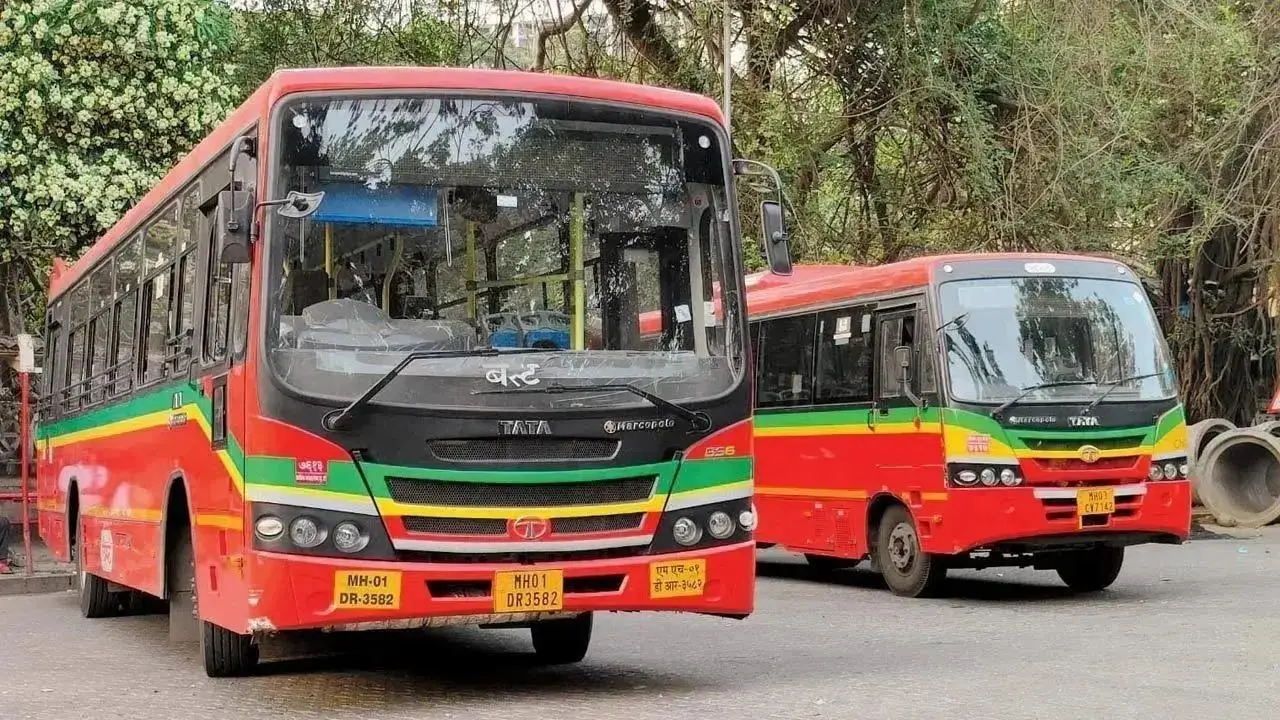
Daily commuting in India’s financial capital is set to become costlier as the Brihanmumbai Electric Supply and Transport (BEST) will implement a steep fare hike effective May 9.
The decision, approved by the Mumbai Metropolitan Region Transport Authority (MMRTA), has triggered concern among lakhs of city residents who depend on the public bus network. Under the revised structure, the minimum fare for non-air-conditioned buses will rise from ₹5 to ₹10, while air-conditioned bus fares will increase from ₹6 to ₹12 for journeys up to five kilometres. This represents a 100% hike in the base fare, significantly impacting lower-income commuters and office-goers who rely on affordable daily transport. The move comes at a time when inflationary pressures are already affecting household budgets. Although BEST has not publicly stated the reason for the hike, officials familiar with the matter cite operational cost increases, fuel prices, and infrastructure upgrades as key drivers behind the fare revision.
The hike is expected to have a cascading effect across Mumbai’s wider public transport ecosystem, as autorickshaw and taxi operators could follow suit. Experts say the fare revision may deter commuters from using public buses, affecting ridership patterns and potentially shifting passenger load to suburban trains or private vehicles. While BEST has faced financial constraints for several years, critics argue the fare hike could widen the affordability gap, especially for daily wage workers and students. Some transport unions have called for fare rationalisation rather than sudden surges, citing the civic responsibility of public utilities.
The MMRTA approval clears the way for immediate implementation of the hike. Commuters are advised to check the revised fare slabs before planning their daily routes.