


Mumbais BEST Bus Fleet Faces Rapid Decline
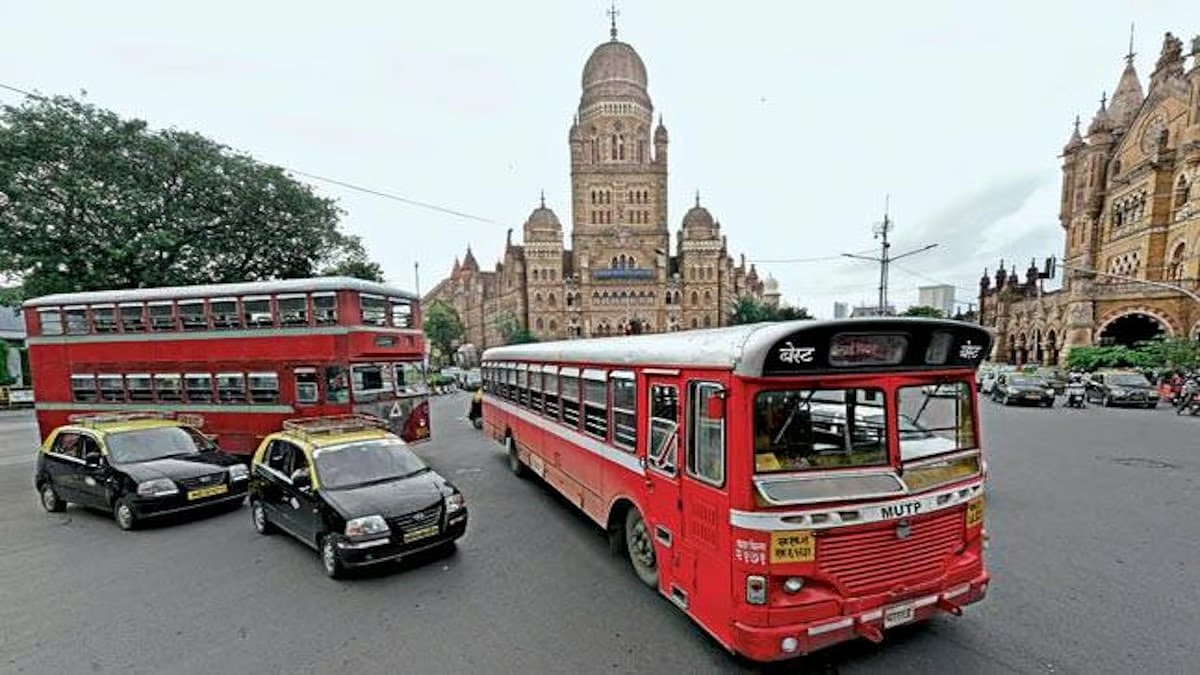
Mumbai’s public transport system is facing an alarming crisis, with the BEST-owned bus fleet plunging to its lowest-ever level of 795 buses. The rapid phase-out of 60 to 70 buses every month suggests that the fleet could be reduced to zero by early next year, raising serious concerns among transport activists and commuters alike. With fewer buses on the roads, public transport users are witnessing longer wait times and overcrowded buses, exacerbating the daily struggle of commuting in the city.
The situation is compounded by the fact that the number of contractual buses in operation has remained largely stagnant at 2,004 buses, and the fleet has failed to expand to meet the growing demand for services. This contraction has left many wondering whether BEST can maintain its promise of offering reliable public transportation in one of the world’s busiest cities. In response to the crisis, BEST General Manager SVR Srinivas has suggested the possibility of purchasing buses directly, stating that the undertaking already possesses the necessary infrastructure and skilled drivers to operate its own fleet. However, this decision hinges on the availability of capital expenditure (capex), leaving the future of the fleet in limbo.
The dire situation has prompted renewed calls from the BEST Workers’ Union, which has long advocated for the maintenance of a fleet of 3,337 buses as per a memorandum of understanding (MoU) signed years ago. Union activists argue that ownership of buses by BEST itself would ensure greater accountability and safer service, as opposed to relying on contractual drivers who may lack experience or accountability. As one union member stated, “I will be glad if the GM goes ahead and purchases buses run by full-time BEST drivers, who are better and more accountable.” Experts, too, are voicing concerns about the long-term impact of the decline in the fleet size. A transport analyst from the Aamchi Mumbai Aamchi BEST citizens’ group, pointed out that the decision to increase wet leasing of buses in the past has not only failed to reduce deficits but has also led to a host of problems, including an increase in accidents and a noticeable deterioration in service quality. He noted that in 2009, BEST operated 4,400 buses, but today, the number has fallen to 2,800, with nearly two-thirds of these being contracted buses.
Indorewala suggests several strategies to address the crisis, including the purchase of additional buses, merging the budgets of BEST and the Brihanmumbai Municipal Corporation (BMC) to secure better funding, and introducing dedicated bus corridors to ensure faster travel. He also highlighted the need for increased parking capacity and a moratorium on monetising valuable land assets held by BEST. As the city’s public transport system continues to grapple with severe challenges, the looming bus shortage calls for immediate and decisive action. Without a comprehensive solution, Mumbai’s commuters may face further disruptions to their daily lives, while the city’s vision for a sustainable and efficient public transport system remains at risk.
