


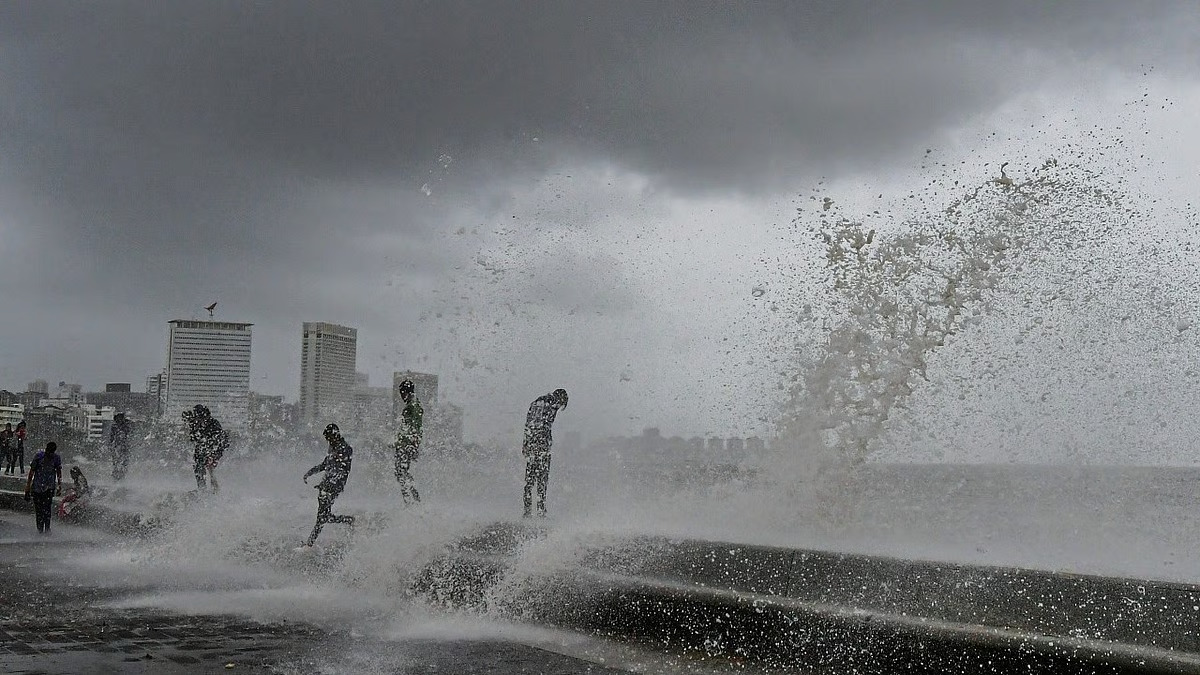
The India Meteorological Department (IMD) has forecast renewed rainfall activity across multiple regions of Maharashtra, with Mumbai, Konkan, and Vidarbha likely to experience variable intensities of rain through the coming days. A yellow alert has been issued for parts of Vidarbha in response to anticipated heavy showers, strong winds, and thunderstorm conditions.
Mumbai is expected to witness a spell of light to moderate rainfall under mostly cloudy skies. Neighbouring districts including Thane, Palghar, and Raigad will also likely experience moderate showers, indicating a return of moist monsoon winds to the coastal belt. In Ratnagiri and Sindhudurg, the IMD has indicated light to moderate rainfall accompanied by intermittent thunder, bringing some respite to residents after a relatively dry phase. While Konkan and parts of Madhya Maharashtra continue to show a downward trend in rainfall since mid-July, weather experts anticipate a possible uptick in the second week of August. This aligns with larger regional forecasts that suggest revived monsoon patterns may again influence localised storm systems and precipitation levels.
In Vidarbha, however, the scenario is significantly more intense. Districts such as Nagpur, Chandrapur, Bhandara, Gondia, Wardha, and Gadchiroli have been issued a yellow alert following warnings of heavy rain, gusty winds, and thunderstorm risks. Urban and rural authorities are on standby as high precipitation levels may affect low-lying areas and disrupt transport and agriculture. Within Marathwada, rainfall remains uneven. While Chhatrapati Sambhajinagar, Jalna, Beed, and Hingoli may see light showers, districts like Nanded, Dharashiv, and Latur could receive more consistent rainfall with isolated thundershowers. Nashik, Dhule, Nandurbar, and Jalgaon are also predicted to receive light to moderate rain during this forecast period.
Officials have urged caution across these districts, particularly in areas already vulnerable to waterlogging or soil saturation. Urban planners and civic bodies are being advised to maintain active drainage monitoring and coordinate emergency response where necessary. In cities like Mumbai and Nagpur, strong winds paired with rain can result in treefall risks and minor infrastructural hazards, prompting renewed attention to preparedness and green infrastructure resilience. IMD sources confirm that the shifting pressure conditions in the Bay of Bengal and western India are driving the renewed activity, aligning with broader climate trends that increasingly make monsoon patterns erratic and regionally diverse.
As the state heads into the second half of the monsoon, the rainfall revival presents both a challenge and an opportunity. While farmers and reservoirs may benefit from increased inflows, urban regions must respond with adaptable systems that ensure safety and sustainability in the face of climatic volatility.
Also Read: BMC Covers Dadar Kabutarkhana After Ban On Pigeon Feeding
