


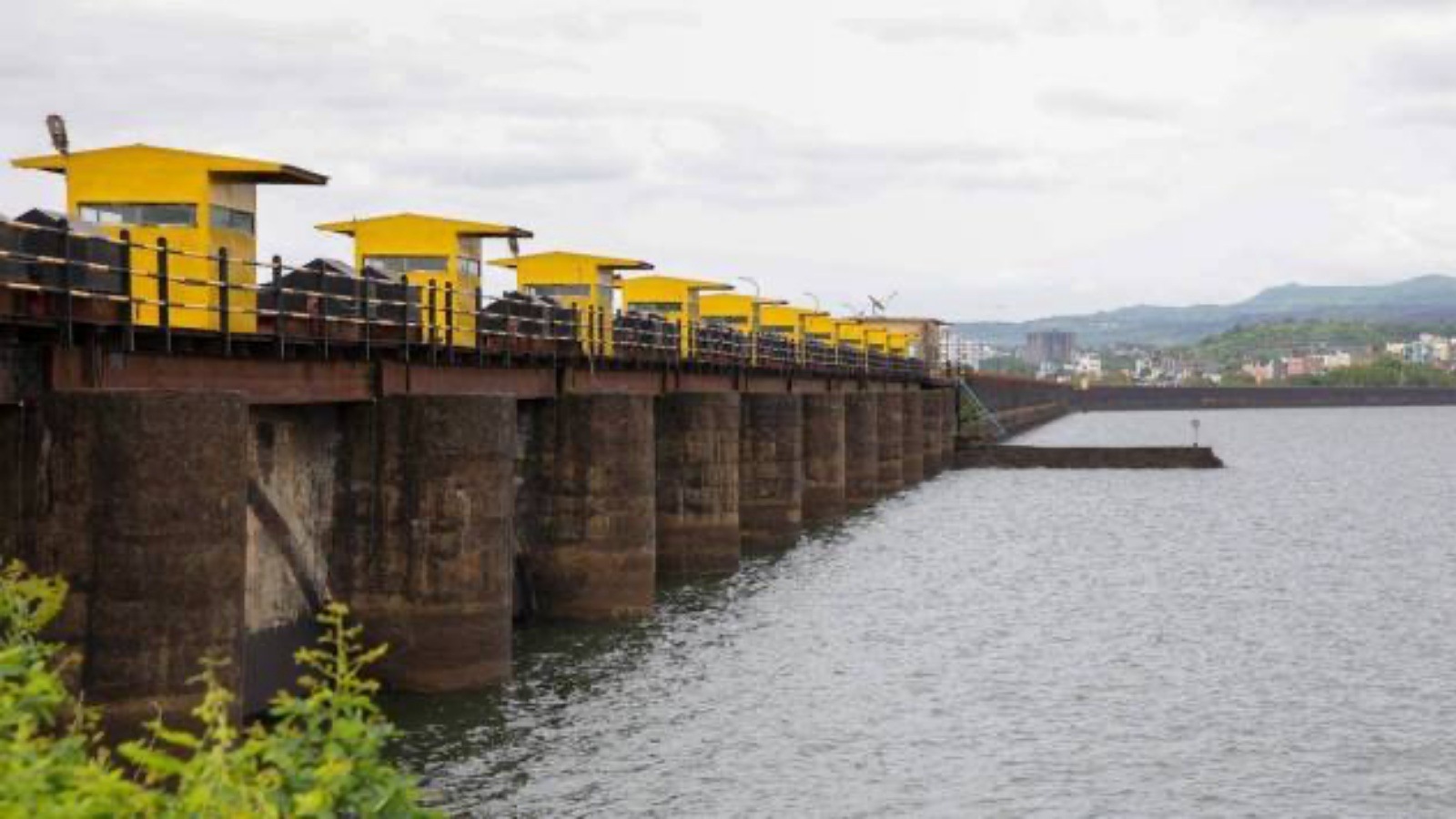
Mumbai has been placed on alert as the India Meteorological Department (IMD) issues an orange warning across the city and adjacent Konkan and western Maharashtra regions. Forecasts indicate heavy showers through June 27–28 compounded by a high‑tide advisory from the Brihanmumbai Municipal Corporation (BMC), urging residents to avoid coastal areas and remain vigilant.
The IMD has flagged Konkan—including Thane, Raigad, Ratnagiri, Sindhudurg—as well as Nashik and Pune under orange alert, signalling “heavy to very heavy rainfall at isolated places”. Mumbai city itself is bracing for similar conditions, with cloudy skies already ushering in steady downpours. Colaba has recorded 100 mm of rain coast‑to‑coast in recent days, and while Santacruz lags, cumulative June totals have surpassed average levels, driving urban reservoirs to reach their highest capacity in three years. Recent precipitation has already burdened infrastructure: waterlogging in low‑lying localities and interruptions to suburban rail and air traffic have been reported, reminiscent of past monsoon disruptions. Temperatures are expected to remain moderate, hovering between 28 °C and 30 °C during showers, dropping to lows of around 24 °C .
Adding complexity, BMC and INCOIS have jointly cautioned against venturing into coastal zones. Heavy seas with wave heights projected over 4.5 m during high tides at 1:40 pm on June 27 (4.73 m) and 2:26 pm on June 28 (4.64 m) pose serious public safety risks. With a total of 19 high‑tide events expected this season, authorities emphasise adherence to evacuation plans and clear signage to keep people out of danger zones. Beyond the immediate storm impacts, images of overflowing waterways and surging seas serve as stark reminders of Mumbai’s enduring vulnerability—one that climate trends only seem to worsen. As the city grapples with ageing drainage systems and fragmented coastal defences, there rises an urgent need for sustainable, gender‑neutral and equitable urban design to build resilience and reduce long‑term environmental harm.
Despite the storm’s pressures, civic authorities report most water channels are under control and documented casualties have been minimal. The subdued human toll reflects both improved emergency response and growing public awareness. Yet challenges remain—Mumbai’s booming population and dense coastal sprawl continue to strain its ecological buffer zones. This extreme weather episode underscores Mumbai’s pressing imperative: invest in eco‑friendly infrastructure, green drainage solutions and smart‐tide‑aware urban planning. It also brings to the fore social equity considerations—ensuring vulnerable communities, especially women, informal workers and low‑income families, are actively included in resilience strategies.
As residents face disrupted commutes, school closures and possible sea edge restrictions over the next 48 hours, personal preparedness is key: plan travel around predicted high tides, stock essential supplies, secure at‑risk possessions and stay coordinated with local authorities. Mumbai’s current monsoon surge is a test of collective urban resilience. It is a stark call to not just manage crises, but to seize an opportunity: towards a greener, fairer, and more sustainable coastal city that can face future climate threats head-on.
Also Read: Himachal roads washed away, vehicles swept after flash floods wreak devastation
