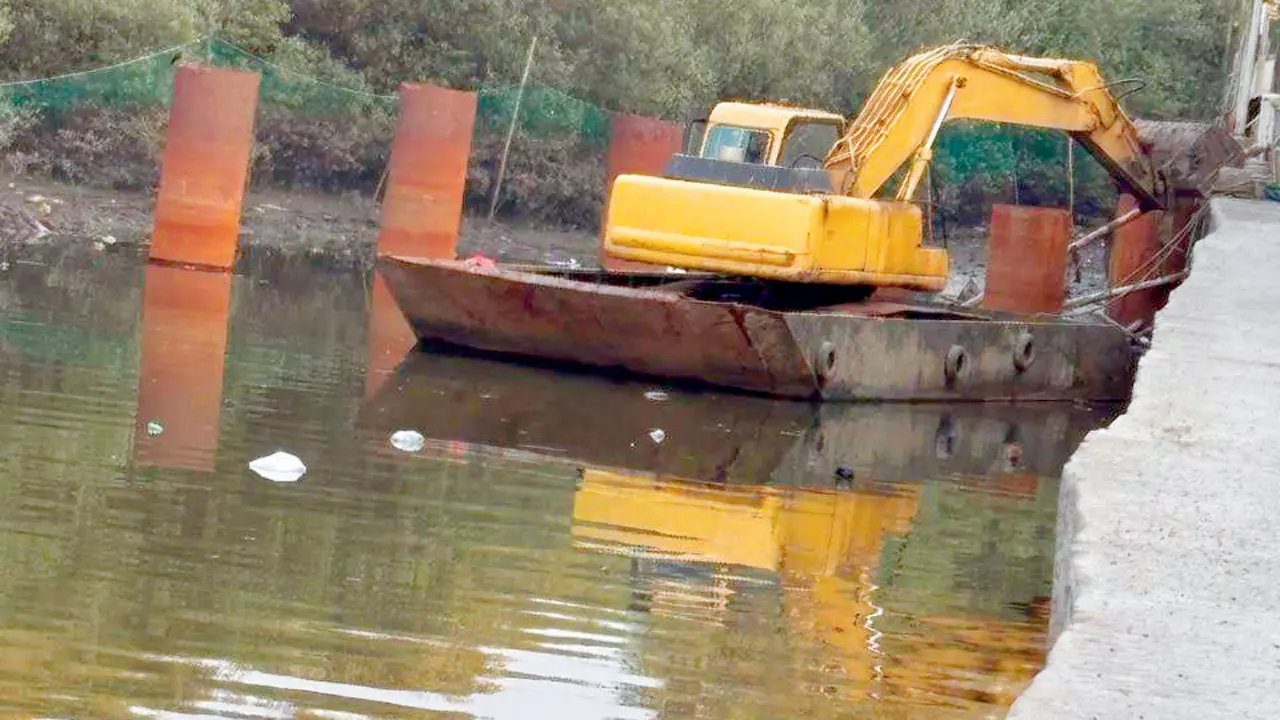
Mumbai’s western suburbs are set to see a significant shift in coastal mobility with the development of a new roll-on roll-off (Ro-Ro) jetty at Borivali, aimed at strengthening ferry connectivity with Gorai. The project, currently under construction, is expected to improve daily commuting efficiency while easing pressure on congested road corridors that link the mainland to the city’s northern coastal settlements.
The Borivali–Gorai ferry route has long served as a vital alternative to road travel, particularly for residents who rely on it for work-related movement and essential services. With the new Ro-Ro jetty, authorities intend to accommodate a higher volume of passengers and vehicles, reducing travel time and improving reliability during peak hours. Urban mobility planners note that such water-based transport investments are increasingly relevant for dense coastal cities seeking low-emission alternatives to road expansion. Local stakeholders view the project as an economic opportunity as well as a mobility upgrade. Increased ferry capacity is expected to draw more visitors to Gorai, supporting small businesses, informal vendors, and local tourism-linked livelihoods. Community representatives say improved marine infrastructure could help integrate Gorai more effectively into Mumbai’s broader urban economy, provided growth is managed responsibly.
At the same time, concerns have emerged around last-mile connectivity and road safety within Gorai village. Residents point out that the internal road network remains narrow and vulnerable to congestion and accidents, raising questions about whether the area can safely absorb a rise in vehicular movement once the Ro-Ro service becomes operational. Recent incidents on approach roads have heightened calls for coordinated infrastructure planning alongside the jetty project. Urban planners emphasise that ferry-led mobility solutions must be supported by complementary civic upgrades. Road improvements, traffic management measures, and pedestrian safety interventions are seen as critical to ensuring that the benefits of water transport do not come at the cost of local liveability. Environmental safeguards are also central to the discussion, as any road widening or access enhancement must avoid damage to mangrove ecosystems that play a key role in coastal resilience.
Community groups have proposed measures to ensure the project delivers equitable outcomes. These include priority access for residents who depend on the ferry for employment or emergencies, differential pricing for frequent local users, and mechanisms to reinvest a share of ferry revenues into healthcare and education within the village. Such proposals align with broader policy thinking that infrastructure assets should contribute directly to local social development. Officials overseeing maritime infrastructure projects have indicated that stakeholder feedback will inform operational planning once construction advances. Transport analysts say the Borivali Ro-Ro jetty could serve as a pilot for future coastal mobility initiatives across the Mumbai Metropolitan Region, provided it balances capacity expansion with environmental care and neighbourhood-scale planning.
As Mumbai looks to diversify its transport mix in response to congestion, climate risks, and population growth, the success of the Borivali–Gorai Ro-Ro project will depend not only on marine engineering but on how well it integrates with roads, communities, and ecosystems on shore.
Mumbai Borivali Plans New Ferry Jetty Expansion